


Compact Workshop

Compact Workshop Tools for Small Spaces and Apartments

Compact Workshop Tools for Small Spaces and Apartments

Creating a workspace at home can be challenging, especially if you live in an apartment or a house with limited space. However, a Compact Workshop makes it possible to enjoy DIY projects, woodworking, and repairs without needing a full garage or dedicated studio. With thoughtful planning, smart tool choices, and efficient storage, even small areas can become highly functional.

Why a Compact Workshop Is Important

A Compact Workshop allows you to maintain a productive DIY environment while minimizing clutter. Instead of scattering tools across the home, everything has its place. This type of workspace not only enhances efficiency but also encourages creativity by offering a designated area for projects.

Smaller setups force you to prioritize essential tools, making your work more intentional. By focusing on versatility and multi-functional equipment, you can achieve more in less space.

Planning Your Compact Workshop Layout

Space planning is the foundation of any successful Compact Workshop. Start by measuring the area and identifying possible work surfaces. Vertical storage solutions such as shelves and pegboards are ideal for keeping tools accessible without occupying floor space.

Foldable workbenches and rolling carts provide flexibility, allowing you to adapt the workspace depending on the project. Clear zones for cutting, assembly, and finishing can help maintain order and safety.

Essential Tools for Small Spaces

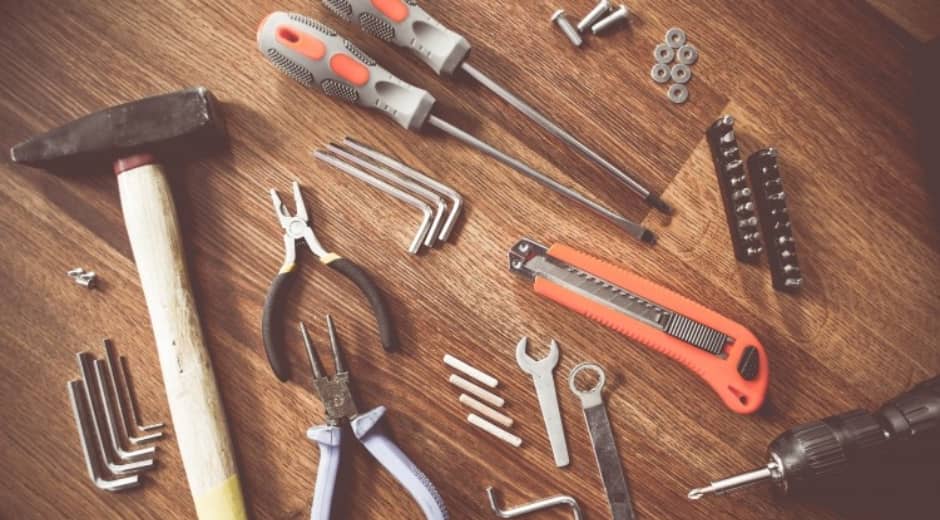
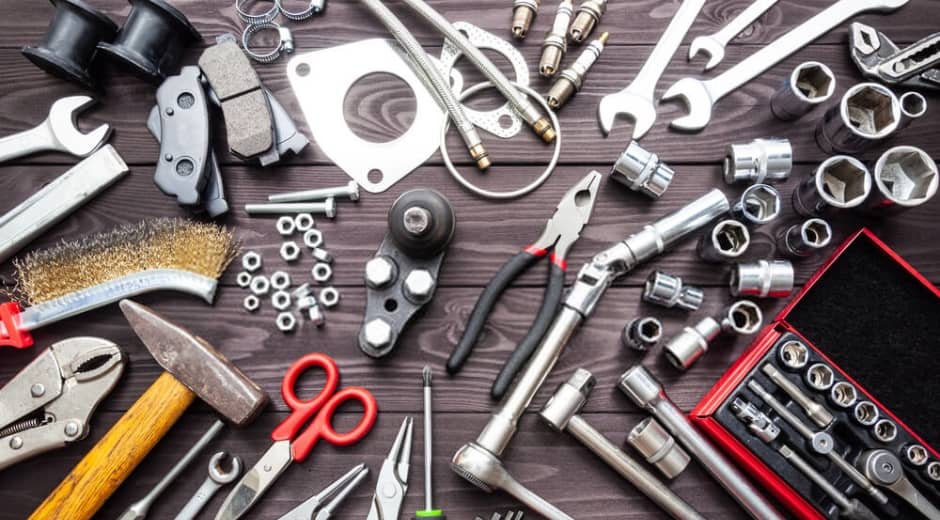
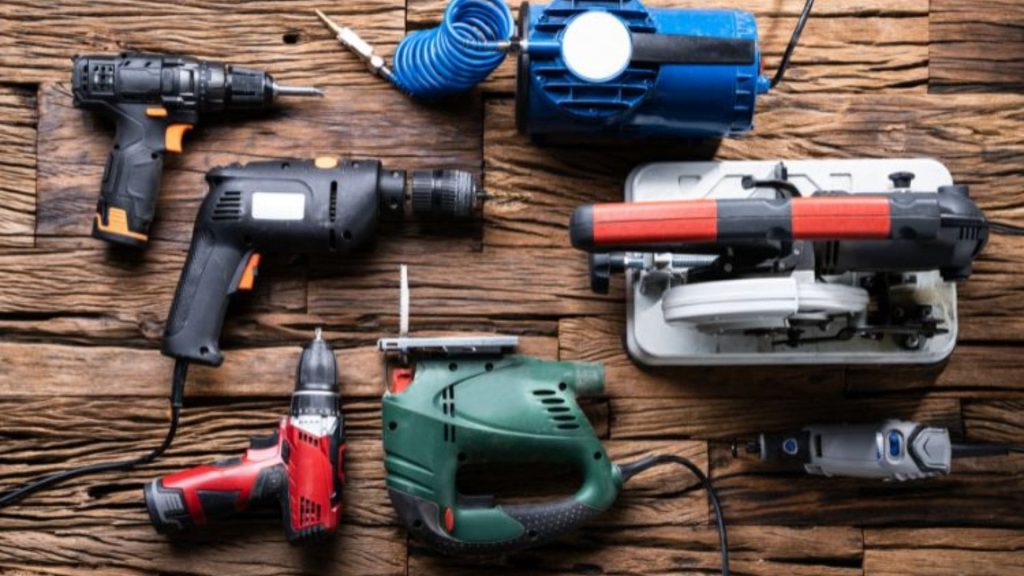
In a Compact Workshop, selecting the right tools is crucial. Focus on equipment that is versatile, lightweight, and easy to store. Key tools include:

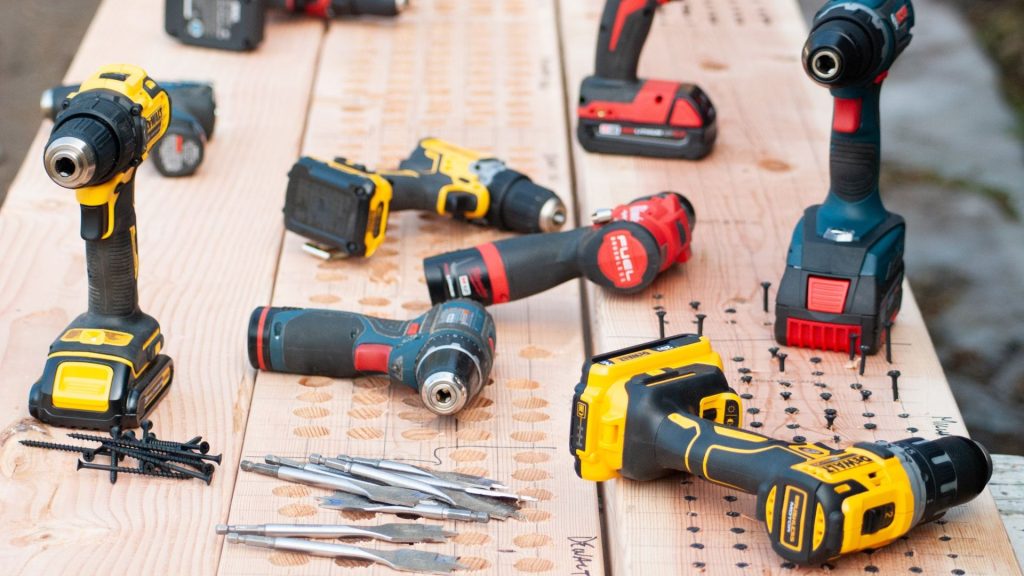
  1. Cordless drill/driver – perfect for drilling, driving screws, and light assembly.

  2. Compact circular saw – useful for accurate cutting in tight spaces.

  3. Oscillating multi-tool – replaces several single-function devices.

  4. Foldable workbench – provides a stable surface and folds away to save space.

  5. Dust extractor or compact vacuum – keeps the area clean and safe.

For additional inspiration on modern workspace design, check Metro Property Homes, which showcases smart home solutions for limited spaces.

Storage and Organization Tips

A Compact Workshop relies on smart organization. Use modular storage units, labeled bins, and magnetic tool strips to keep everything tidy. Stackable boxes help store small parts like screws, nails, or drill bits.

If your workshop doubles as part of another room, integrate furniture that matches your home’s design to maintain a cohesive look. Thoughtful arrangement ensures tools are easy to access without cluttering the environment.

Safety Considerations

Even in a small workspace, safety is paramount. Ensure proper lighting, maintain clear pathways, and keep sharp tools secured. Using protective gear such as gloves and goggles should be routine.

Compact workspaces require careful ergonomics. Adjust work surfaces to the correct height and allow adequate space for movement. Doing so reduces fatigue and prevents accidents.

More guidance on home safety and tool usage can be found at Fixolix.

Integrating Technology

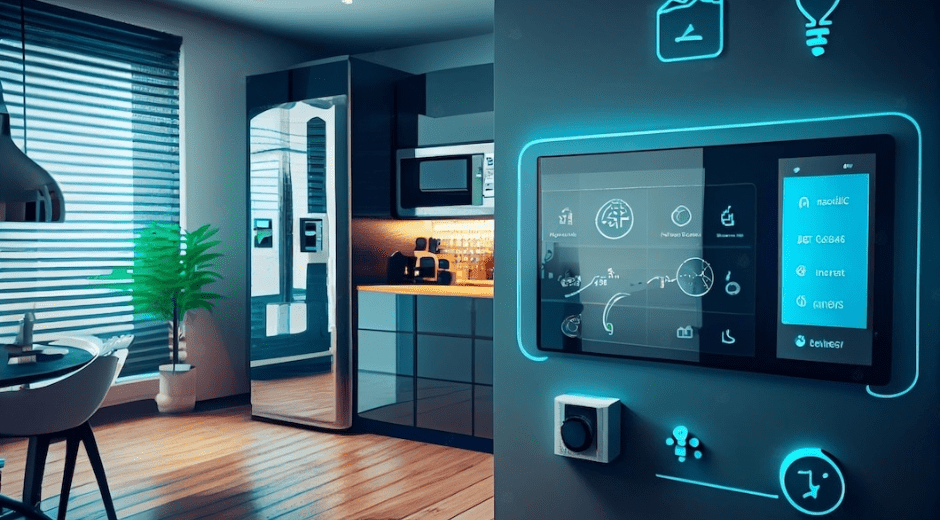
Modern technology can enhance a Compact Workshop. Smart plugs, motion-sensor lighting, and Bluetooth-enabled tools streamline operations and reduce clutter. These upgrades allow you to monitor energy consumption, automate lighting, and maintain a cleaner environment.

Incorporating tech not only improves workflow but also adds convenience and safety, making small spaces highly efficient.

Eco-Friendly Practices

A Compact Workshop can be environmentally conscious. Using rechargeable batteries, sustainable materials like bamboo, and non-toxic adhesives reduces the ecological footprint. Reusing containers and repurposing scrap materials keeps the workspace sustainable.

Resources such as Metro Property Homes highlight eco-friendly design ideas, inspiring homeowners to merge sustainability with functionality.

Budgeting and Expansion

Even a small Compact Workshop can be cost-effective. Start with essential tools and expand gradually. Multipurpose equipment reduces costs and storage demands.

Track your expenses and repurpose existing materials whenever possible. Over time, your workspace can evolve as your skills and projects grow.

Maintenance and Upkeep

Maintaining a Compact Workshop is critical for long-term efficiency. Regularly clean tools, check for wear, and update storage layouts as needed. A tidy and organized environment ensures productivity while extending the lifespan of your tools.

Documenting tool maintenance and inventory helps in planning future projects, ensuring your Compact Workshop remains a reliable hub for creativity.

Conclusion

A Compact Workshop demonstrates that limited space doesn’t have to limit creativity. By prioritizing versatile tools, smart storage solutions, and proper safety measures, even small areas can become highly functional DIY environments.

With careful planning and thoughtful design, a Compact Workshop can foster productivity, creativity, and enjoyment, proving that the best workspaces aren’t always the biggest — they are the most efficiently organized.

The Pulse of Repairs

Scroll to Top
Receive the latest news

Subscribe To Our Weekly Newsletter

Get notified about new articles