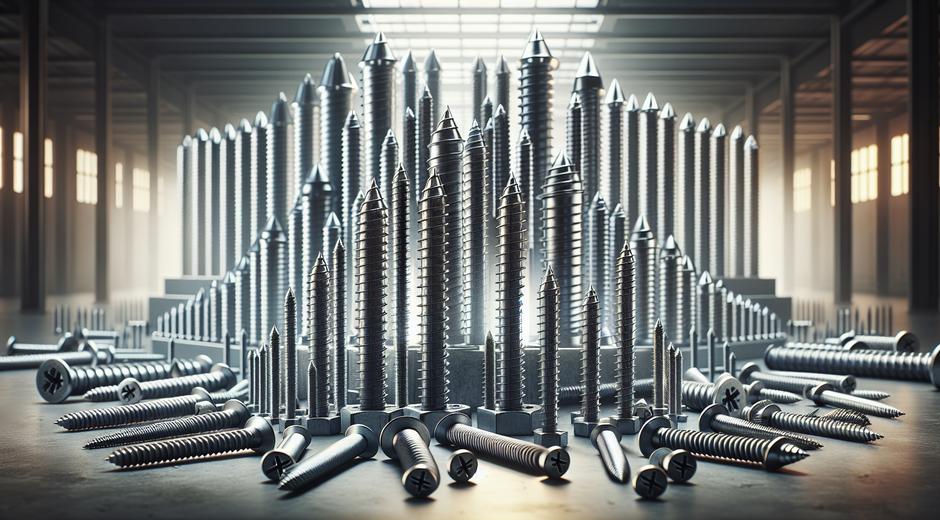


Screw Anchors Complete Guide for Reliable Fixing
Screw anchors are an essential component for secure fixing into a wide range of base materials. Whether you are hanging shelving on drywall or fixing heavy equipment to concrete, choosing the correct screw anchor improves load capacity and reduces the risk of failure. This guide explains types, selection criteria, installation steps, and best practices to ensure your projects are strong and safe.
What Are Screw Anchors
Screw anchors are mechanical or chemical devices that create a secure point for a screw to grip inside a base material. They allow screws to hold loads that would otherwise pull out from soft materials such as drywall or brittle materials such as masonry. Common designs include expansion anchors that press into the hole as the screw tightens, sleeve anchors that spread in a drilled hole, and self tapping anchors that cut their own threads into the substrate.
In many applications screw anchors outperform simple screws because they distribute load across a larger area and resist pull out and shear forces. Understanding how the anchor works with the intended base material is the first step to a durable installation.
Why the Right Anchor Matters
Selecting the correct screw anchor reduces repair time and increases safety. A poorly chosen anchor can lead to sagging shelves, damaged walls, or worse, a heavy object falling. Key properties to consider are pull out strength, shear strength, corrosion resistance, and compatibility with the base material and the fixing screw.
For builders and home enthusiasts alike, reliable information and tested product choices are important. For more practical guides and product comparisons visit fixolix.com where you will find step by step instructions and recommendations for many fixing tasks.
Common Types of Screw Anchors
There are several widely used types of screw anchors. Each type suits specific materials and load conditions:
- Masonry anchors These are ideal for concrete block and brick. They often expand inside the drilled hole to create friction.
- Plastic wall anchors Often used in drywall and hollow block. They expand behind the wall or inside the hole as the screw is inserted.
- Metal sleeve anchors Provide strong grip in solid materials and are used for heavier loads.
- Self tapping anchors These cut threads into softer materials and allow quick installation without pre tapping the hole.
- Chemical anchors and resin systems Adhesive based anchors that bond the screw or threaded rod to the hole wall for very high load applications.
Knowing the substrate and anticipated loads helps narrow the correct anchor type. For example masonry anchors work well in concrete but are not suitable for hollow drywall unless used with a back up plate or toggle system.
How to Choose the Right Screw Anchor
Follow a clear decision process to select the proper anchor. Consider:
- Material of the wall or substrate Drywall, gypsum board, plaster, wood, concrete, and brick each require different anchors.
- Load type and magnitude Is the load static or dynamic? Does the fixation need to resist pull out or shear or both?
- Environment Outdoor or damp locations require corrosion resistant anchors such as stainless steel or zinc coated options.
- Anchor size and screw compatibility Match anchor internal diameter and length to the screw and to the effective embedment depth.
- Ease of installation For quick repairs choose anchors that need minimal tooling. For permanent heavy fixings use mechanical or chemical anchors with controlled installation.
When in doubt consult manufacturer load tables and product guides that provide safe working loads for specific substrates and embedment depths. Trusted forums and business resource sites can also provide comparative reviews and supplier contacts such as BusinessForumHub.com where industry professionals share data and trends.
Step by Step Installation Guide
Following correct installation steps prevents common failures. Use these general steps as a baseline. Always check product instructions for specific requirements.
- Choose the correct anchor and screw size based on load and material.
- Mark the fixing location and ensure no hidden services are behind the wall.
- Drill the hole to the correct diameter and depth for the chosen anchor. Clean the hole of dust and debris especially for adhesive anchors.
- Insert the anchor fully so it sits flush with the surface or at the specified depth.
- For expansion anchors tighten the screw to expand the anchor. For chemical anchors insert the threaded rod or screw into the resin and allow the recommended cure time before loading.
- Check alignment and finally tighten to the torque specified by the manufacturer avoiding over torque that can damage the anchor or the base material.
Pre drill hole accuracy and cleaning are often overlooked steps that significantly affect performance. For heavy loads use a torque wrench and verify embedment depth carefully.
Common Mistakes to Avoid
Even experienced installers can make mistakes that compromise a fixing. Avoid these common errors:
- Using an anchor meant for one material in another material without confirming compatibility.
- Drilling too large a hole which reduces friction and decreases pull out strength.
- Failing to clean the drilled hole especially when using adhesive anchors which require clean surfaces for bonding.
- Over tightening screws which can strip the anchor or crack the substrate.
- Ignoring corrosion protection in damp conditions which leads to premature failure.
Quality control during installation is as important as the product selection itself. Take the time to measure, drill, and set anchors properly for durable results.
Maintenance and Safety Tips
Regular inspection of critical fixings extends service life and prevents hazards. For installations supporting heavy or safety critical loads inspect anchors periodically for signs of rust, movement, or cracking in the substrate. Replace corroded or loosened anchors promptly and consider upgrading to higher performance systems if load demands increase.
For installations in public spaces or where safety is critical use specified anchor products with traceable performance data and consider professional installation. Training on torque settings and correct embedment improves outcomes for repetitive commercial fixings.
Conclusion
Screw anchors offer flexible and reliable fixing solutions across home improvement and industrial applications. By understanding types, matching anchors to substrate and load, and following sound installation practice you can achieve strong long lasting fixings. For ongoing reference, product selection tools, and project guides check the detailed resources available at the specialist resource site mentioned above and in the practical guide pages on fixolix.com.
When planning a project take time to specify the right anchor and consult technical data where available. A small investment in the right anchor will save you time and reduce the need for repairs in the future.