

Air Sealing: The Complete Guide to a More Comfortable and Efficient Home
What Air Sealing Means and Why It Matters
Air sealing is the process of closing leaks that allow uncontrolled air flow between the inside and the outside of a structure. Proper air sealing improves comfort by reducing drafts and it increases energy efficiency by lowering heating and cooling demand. For homeowners and property managers focused on long term savings and healthier indoor environments air sealing is one of the most cost effective improvements available.
The Benefits of Effective Air Sealing
There are several clear benefits when you invest in air sealing. First energy bills go down because your heating and cooling systems do not have to work as hard to maintain a stable temperature. Second indoor comfort improves as cold drafts in winter and hot spots in summer are reduced. Third indoor air quality often improves because you can control ventilation more precisely instead of relying on uncontrolled leaks. Finally building durability improves since excess moisture that can cause mold and rot is less likely to enter wall and roof cavities.
Common Leak Locations to Inspect
To plan an effective air sealing project you need to know where air tends to escape. Typical leak points include the attic floor where ceiling fixtures and plumbing vents pass through, the rim joist around the top of the foundation, gaps around window and door frames, and areas where different building materials meet such as where the wall meets the floor. Other less obvious spots include recessed lights, electrical outlets on exterior walls, and openings around chimneys and vents.
Materials and Methods for Air Sealing
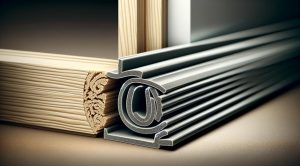
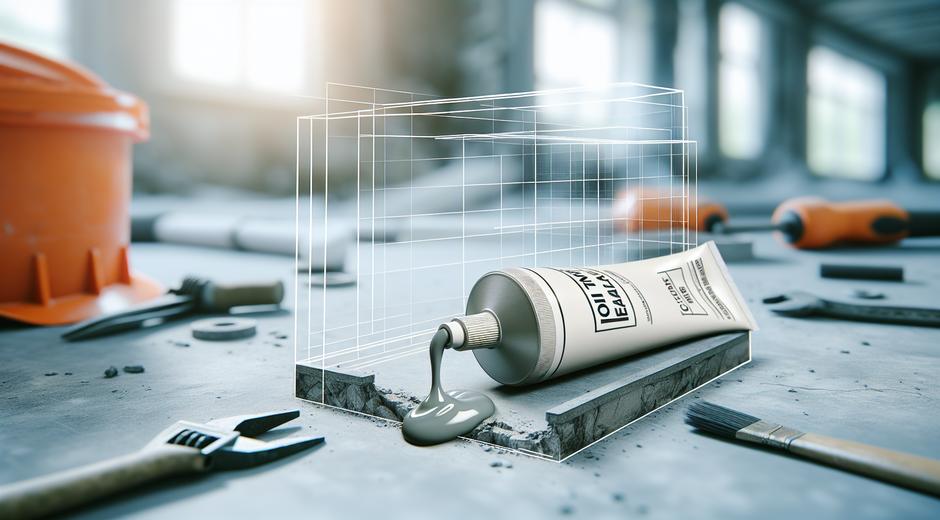
There are several materials and methods used for air sealing each suited to a specific type of gap. Caulk is excellent for small cracks and gaps around windows and trim. Expanding foam is ideal for larger voids such as those at rim joists and around plumbing stacks. Weather stripping works well for operable components like doors and windows. For large cavities in the attic or wall cavities closed cell foam and loose fill insulation can both reduce air movement while providing thermal resistance. Choosing the right product for the right gap helps ensure a durable seal and avoids trapping moisture in the wrong place.
A Step by Step DIY Air Sealing Workflow
Many homeowners can complete a significant portion of air sealing as a do it yourself project with basic tools and a little knowledge. Start by auditing the home to identify leakage locations. A simple way to find obvious leaks is to feel for drafts on a windy day or to use smoke from an incense stick to see where it is pulled toward gaps. For a more detailed analysis consider hiring a professional to perform a blower door test which quantifies whole house leakage and pinpoints problem areas.
After locating leaks follow this step by step approach. Seal small cracks with high quality acrylic latex caulk. Add weather stripping to doors and windows that do not seal tightly. Use low expansion foam around electrical boxes and other small voids. For large openings use spray foam that is rated for the application. Finally add or upgrade attic insulation after sealing the attic floor to limit conductive heat loss.
When to Call a Professional
Some air sealing tasks are simple and safe while others require professional skills and equipment. If you are dealing with complex systems such as forced air ducts that run through unconditioned space, or if you suspect mold or structural problems, call a trained technician. Professionals can perform a blower door test, thermal imaging or other diagnostics that help create a prioritized air sealing plan. They can also ensure that combustion appliances vent correctly and that indoor air quality and ventilation requirements are met after major sealing work.
Cost Considerations and Return on Investment
Air sealing cost depends on home size, complexity and how much work is needed. Simple tasks such as caulking and installing weather stripping have low material and labor cost and often pay for themselves within a single season through energy savings. Larger projects that include spray foam and professional diagnostics cost more but they also produce greater energy savings and improved durability. Homeowners frequently see measurable savings on monthly bills and added comfort that makes the investment worthwhile.
Safety and Ventilation After Sealing
While sealing leaks reduces unwanted air flow it is important to maintain safe ventilation. Homes need a controlled way to bring in fresh air and to remove pollutants. After major sealing work evaluate mechanical ventilation options such as energy recovery ventilators which bring fresh filtered air into the home while recovering heat from the outgoing air. Also verify that combustion appliances remain properly vented. A professional assessment will confirm that your home remains safe and healthy after you reduce uncontrolled leaks.
Maintenance and Seasonal Checks
Once you complete air sealing maintain the work by checking seals periodically. Weather stripping compresses and gaskets degrade over time. Roof and wall penetrations can shift with settling and temperature cycles. Inspect seals annually and after severe weather. Re caulk and replace weather stripping as needed to keep performance high. Routine maintenance preserves the initial investment and continues to deliver energy savings year after year.
Air Sealing as Part of a Broader Efficiency Strategy
Air sealing is most effective when combined with other efficiency upgrades. After sealing consider improving insulation levels, upgrading windows to models with higher performance, and tuning the heating and cooling system for efficiency. When planned together these measures compound benefits and deliver a more comfortable and durable home. For guides and more detailed fixes visit fixolix.com where you can find step by step tutorials and product recommendations for a variety of home projects.
Case Examples and Real World Results
Homeowners who complete targeted air sealing often report a noticeable reduction in drafts and a more consistent indoor temperature. Energy use monitoring typically shows lower seasonal heating and cooling demand. In many climates sealing and adding insulation produce payback through reduced bills and increased home value. Even small projects such as sealing attic bypasses often reduce noise transmission and cold spots in upper level rooms.
Practical Tips for Success
Start by prioritizing leaks that are easy and inexpensive to seal. Focus first on attic floor leaks and the rim joist where large volumes of air move. Use the right product for each gap and follow manufacturer instructions. Avoid over applying products when working around electrical boxes and be careful around windows where excess foam can impede function. If you want a partner that connects home repair content with related lifestyle topics see this curated resource at SportSoulPulse.com that often features home related articles along with health and fitness content.
Final Thoughts
Air sealing is a high value home improvement that increases comfort, lowers energy bills and supports healthier indoor air. With a clear plan you can complete many tasks yourself while reserving complex diagnostics and large scale work for trained professionals. Regular inspection and maintenance keep seals effective and protect your investment. Whether you are preparing for a seasonal tune up or planning a full upgrade air sealing should be at the top of your list for efficient home performance.