

Weatherstripping: The Essential Guide to Sealing Doors and Windows
Weatherstripping is one of the most cost effective and practical ways for a homeowner or property manager to reduce heat loss, improve comfort and lower energy bills. In this comprehensive guide you will learn what Weatherstripping is, why it matters, how to select the right materials, installation tips and maintenance advice to keep seals working for years. This guide will help you make smart choices that protect your living space from drafts, moisture and noise.
What is Weatherstripping and Why It Matters
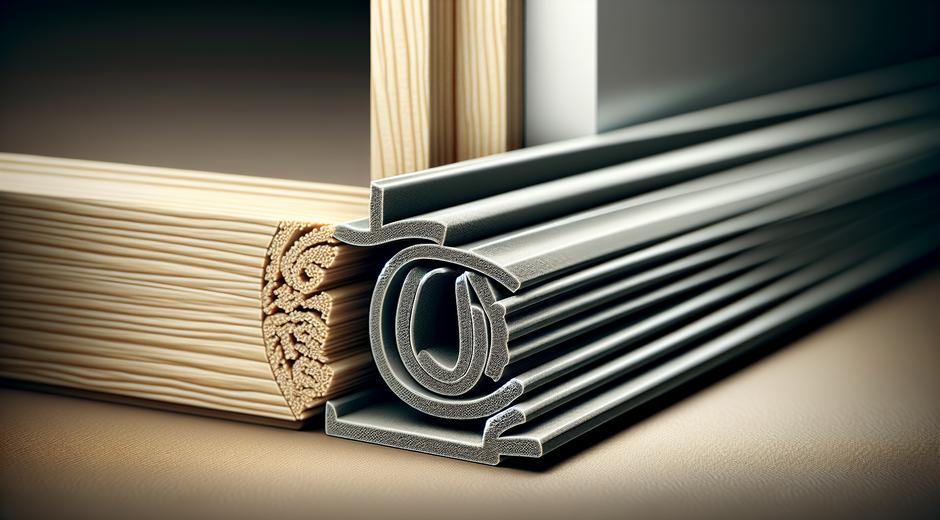
Weatherstripping means applying a sealing material around movable building parts such as doors and windows. The goal is to close gaps that allow air, water and sound to pass through. Even small gaps can lead to noticeable energy loss. By sealing those gaps you can stop drafts, reduce the load on heating and cooling systems and improve interior comfort. For anyone wanting to increase comfort and lower operating costs, Weatherstripping is a high value action.
Key Benefits of Weatherstripping
There are multiple benefits to adding or replacing Weatherstripping. Primary gains include:
- Energy savings through reduced heating and cooling loss
- Enhanced comfort with fewer drafts and more even room temperature
- Lower noise transmission from outside
- Reduced moisture infiltration that can lead to mold and damage
- Improved performance of windows and doors for many years
Common Types of Weatherstripping Materials
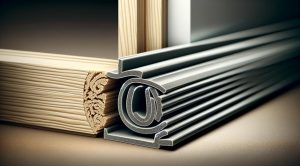
Selecting the right material depends on the size of the gap, the type of door or window and the level of wear expected. Common options include:
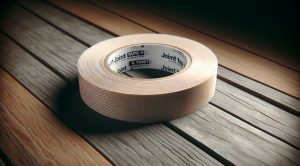
- Foam tape that compresses to fill gaps for light traffic areas
- Rubber or vinyl strips that provide durable sealing for doors with frequent use
- Felt applied with adhesive for historic windows where a soft seal is needed
- Metal or vinyl door sweep that attaches to the bottom of a door to block air flow
- Compression seals that work well for casement windows and storm doors
Each material type has strengths and limits. For example foam tape is easy to install and low cost but can compress over time and may need replacement sooner than higher grade options. A durable rubber seal often lasts longer for main entry doors and still provides excellent sealing performance.
How to Choose the Right Weatherstripping for Your Home
Start by identifying where air leaks occur. A simple test is to close doors and windows and run a lit incense stick along the seams. Watch the smoke to see where air moves. Also check for visible daylight around frames. Once you know where gaps exist consider these selection points:
- Gap size and movement of the door or window
- Frequency of use greater movement requires a more durable seal
- Exposure to sun and moisture choose materials that resist UV and water
- Aesthetic match for visible areas especially for older homes
- Ease of installation if you plan to do the job yourself
For most standard entry doors a high quality rubber or vinyl seal combined with a door sweep is ideal. For older sash windows felt or foam may work while preserving the frame. Keep in mind that correct measurement and careful installation yield the best sealing performance and longevity.
Step by Step Installation Tips
A careful installation process makes a major difference in performance. Follow these practical actions:
- Clean the surface removing dirt and old adhesive so the new seal bonds well
- Measure precisely and cut material to size for a snug fit
- Apply adhesive or fasteners as recommended by the product instructions
- Test the fit by closing the door or window and checking for smooth operation
- Adjust or trim where needed to avoid excess pressure that may damage the frame
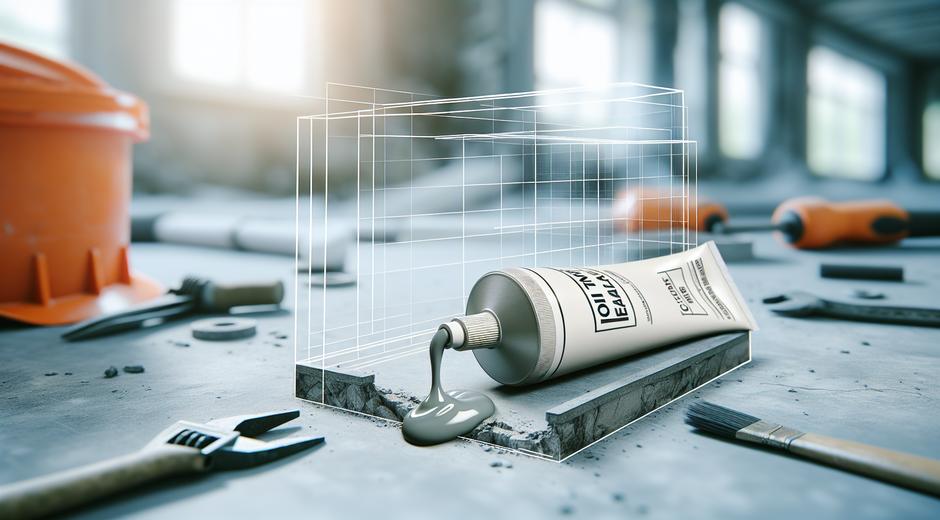
Many products include clear instructions. Take photos as you remove old pieces so you can replicate correct placement. If you encounter warped frames or severe gaps consider combining solutions such as weatherseal around the frame and a sweep at the threshold.
Maintenance and Replacement Guidelines
Weatherstripping is not permanent. Routine inspection will extend service life. Check seals at the start of fall and spring and after severe weather. Look for signs of cracking, flattening or loss of adhesive. When a material no longer compresses or keeps a seal it should be replaced. Regular maintenance includes cleaning with mild soap and water and reapplying adhesive where it lifts. Keeping moving parts lubricated and aligned also reduces wear on the seal.
Cost Savings and Energy Impact
Weatherstripping delivers a fast return on investment. Savings vary by climate and home but sealing gaps often reduces heating and cooling costs by a tangible percentage. It complements insulation and heating system upgrades. Small investments in quality materials and correct installation often pay back quickly through lower monthly bills. In addition to financial savings there is the non monetary value of quieter interiors and improved moisture control.
Common Mistakes to Avoid
Even simple errors can limit the effectiveness of Weatherstripping. Watch for these common mistakes:
- Applying the wrong type of material for a high movement area
- Failing to prepare the surface which leads to poor adhesion
- Over compressing the seal so doors stick or do not latch properly
- Ignoring thresholds and bottoms of doors where most leakage occurs
- Neglecting seasonal inspection that would catch early wear
Taking time to match material to function and to follow instructions reduces the chance of a disappointing outcome.
Where to Find Reliable Products and Advice
For product ideas and installation suggestions browse reputable home repair sources and community guides. If you want a single place to start with a wide range of fixing guides and resources visit fixolix.com for clear articles and tool guides that cover sealing, repair and routine maintenance tasks. For additional study materials and structured learning about home repair techniques consider visiting StudySkillUP.com to expand your skills through practical courses and tutorials.
Final Thoughts
Weatherstripping is a low cost high impact improvement that any homeowner can tackle. With the right material, correct installation and simple maintenance you can protect your home from drafts, moisture and noise while saving on energy costs. Prioritize sealing gaps that show the most leakage and combine solutions when needed. Whether you decide to do the work yourself or hire a professional, applying effective Weatherstripping is a practical way to make your home more comfortable and efficient.