

Self Leveling Compound Complete Guide for Perfect Floors
Self Leveling Compound is a versatile material that transforms uneven subfloors into smooth surfaces ready for final floor coverings such as tile, vinyl, wood or carpet. Whether you are a professional contractor or a motivated homeowner, understanding how this product works and how to apply it correctly will save time and money while delivering lasting results. This guide covers what Self Leveling Compound is, how to choose the right product, step by step preparation and application, common mistakes to avoid and maintenance tips to keep floors performing well.
What Is Self Leveling Compound and How It Works
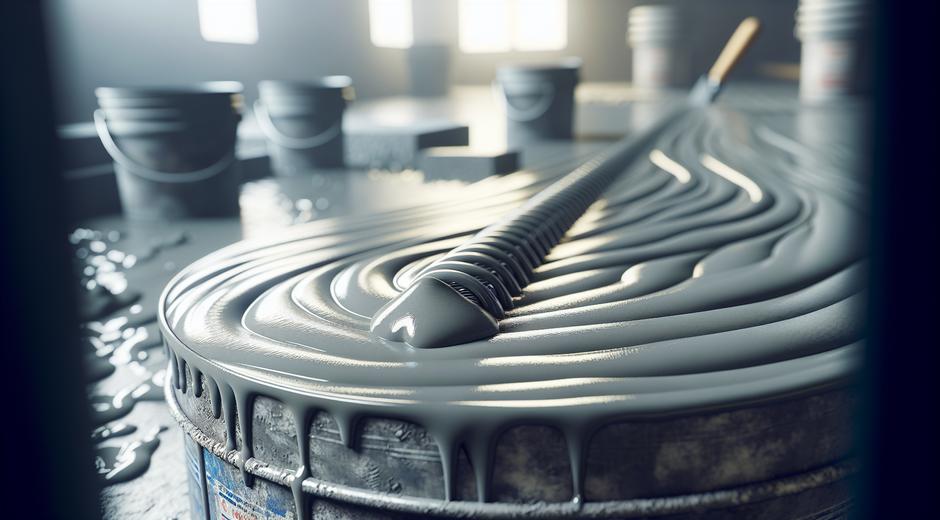
Self Leveling Compound is a cement based or gypsum based formulation that flows and flattens out under its own weight to form a smooth plane. The compound is mixed with water to create a pourable slurry. Once poured over a prepared surface it seeks its own level and cures into a hard, flat layer. This makes it an ideal underlayment for new floor coverings and an efficient way to correct dips and low spots in existing subfloors.
Key attributes to look for include drying time, compressive strength, recommended thickness range and whether the product is suitable for use over concrete, plywood or other substrates. Many modern products also offer fast setting formulas for quicker turnaround and low dust mixes for cleaner job sites.
When to Use Self Leveling Compound
Use Self Leveling Compound when you need to:
- Correct moderate to mild floor irregularities prior to installing final floor coverings
- Create a smooth, flat plane over concrete, cementitious underlayments and some engineered subfloors
- Reduce time and labor compared with manual trowel based leveling techniques
- Encapsulate minor surface imperfections before applying thin finish materials
It is not typically used for deep fills greater than the manufacturer limit or to support heavy point loads without reinforcement. For deep repairs consider layering or using a product designed for deep fills.
Choosing the Right Product
Selecting the correct Self Leveling Compound depends on several factors. First identify the substrate and check manufacturer recommendations for adhesion and compatibility. Next determine the desired finished thickness and review product coverage rates and setting times. For high traffic commercial areas choose formulations with higher compressive strength. For residential jobs fast setting versions can shorten downtime. If moisture is a concern choose products with moisture mitigation properties or plan for a vapor barrier when required.
For more resources on repair techniques and tool recommendations visit fixolix.com where you will find guides and product comparisons tailored to common installation scenarios.
Surface Preparation Steps
Proper preparation is the foundation of any successful Self Leveling Compound installation. Follow these essential steps for reliable results.
- Clean the surface thoroughly. Remove all dust, grease, loose material and contaminants that can prevent bonding.
- Repair large cracks and holes with a compatible patching compound and allow it to cure.
- Prime the substrate with a primer recommended by the compound manufacturer. Primer improves adhesion and reduces air bubbles.
- Seal joints that will remain flexible using the correct joint materials and follow guidelines regarding where joints must be honored and where the compound can be continuous.
- Ensure the area is protected from drafts and direct sunlight which can affect cure times.
Tools and Materials You Will Need
Gathering the right tools makes mixing and pouring easier and improves the final finish. Typical items include a mixing bucket, a drill with a mixing paddle, a gauge rake or trowel to spread the mix, a spiked roller to remove air pockets, and proper personal protective equipment such as gloves and eye protection. For larger jobs a mortar mixer or pump can speed up work and give a more consistent mix.
Mixing and Application Best Practices
Follow the product instructions for water ratios and mixing times exactly. Overwatering weakens the cured compound while under mixing leads to lumps and poor flow. Pour the mixed compound onto the prepared floor and use a gauge rake to help spread it into low areas if needed. Work in manageable sections and maintain a wet edge to ensure a seamless surface between pours.
Use a spiked roller immediately after pouring to release trapped air and improve surface uniformity. Monitor the compound as it sets and avoid foot traffic until full cure. Typical walkable time varies by product and environmental conditions but can range from a few hours to a day. Full strength may take longer so consult the technical data sheet before installing the final floor covering.
Curing Time and Environmental Considerations
Curing time for Self Leveling Compound depends on temperature, humidity and the thickness applied. Warmer temperatures speed curing while cooler conditions slow it down. Avoid applying at very low temperatures unless the product specifically states it can be used under those conditions. Keep the area free of drafts and direct sunlight for consistent cure. Always follow manufacturer instructions on when to install the finished floor covering to avoid adhesion or performance issues.
Common Problems and How to Avoid Them
Even with careful work some issues can arise. Here are common problems and simple ways to prevent them.
- Cracking: Often caused by applying the compound too thickly in a single pass or by substrate movement. Stay within manufacturer thickness limits and reinforce where necessary.
- Poor adhesion: This is usually due to contamination or lack of primer. Always clean and prime as instructed.
- Surface debris: Use proper protection and clean tools to avoid debris in the wet mix.
- Uneven finish: Maintain a wet edge and use a spiked roller after pouring to eliminate bubbles and ensure uniformity.
Finishing Options and Floor Covering Compatibility
Once cured Self Leveling Compound provides a smooth substrate for a wide range of floor coverings. Thin set tile can be applied directly over many cement based compounds. For resilient flooring such as vinyl or laminate check manufacturer recommendations for moisture and smoothness standards. Engineered wood and certain adhesives have specific flatness tolerances so confirm these before installing the finished product.
Safety and Cleanup
Wear appropriate protective equipment when mixing and pouring. Dust from dry mixes can be an irritant and contact with skin should be minimized. Clean tools promptly with water before the compound sets because cleaning cured material is difficult. Dispose of leftovers according to local regulations and avoid washing large amounts of slurry into storm drains.
Cost Factors and Project Planning
Cost of using Self Leveling Compound depends on product type, area size and depth required. Fast setting and high strength formulations can cost more but reduce downtime and allow faster installation of finish materials. When planning a project include the cost of primer tools and labor. For large or complex areas consider renting pumps or hiring a professional to ensure consistent results and save time.
When to Call a Professional
Small residential jobs are often manageable for experienced DIYers. However for large commercial areas, complex substrates, moisture sensitive installations or when precise flatness is required it is wise to hire a specialist. Professionals bring the right equipment, experience with complex substrates and the efficiency to complete projects quickly. If you are unsure about product selection or compatibility get a consultation to avoid costly mistakes.
Summary and Further Resources
Self Leveling Compound is an essential tool for achieving level floors that perform well under modern finishes. Correct product selection, meticulous surface preparation and careful application are the keys to success. For case studies, tool recommendations and detailed comparisons of product types visit Romantichs.com to learn about popular options and user experiences that can help you choose the right material for your next project.
With the right approach Self Leveling Compound can dramatically simplify floor preparation and result in a durable, attractive base for any finishing material. Plan carefully, follow manufacturer instructions and consider professional help for demanding projects to achieve the best outcome.