

Load Bearing Walls
Understanding Load Bearing Walls is essential for anyone planning a renovation repair or a structural change in a home or commercial building. These walls carry the weight of the structure above them and transfer that load to foundations below. A mistake when altering a Load Bearing Wall can lead to severe structural damage safety hazards and increased repair costs. This guide explains how Load Bearing Walls work how to identify them and how to handle modifications safely while keeping practical SEO friendly advice for homeowners and contractors.
What are Load Bearing Walls?
Load Bearing Walls are structural elements that support vertical loads from floors roofs and other walls above. Unlike partition walls which only define rooms Load Bearing Walls are part of the building skeleton. They resist gravity loads and in many cases provide lateral stability against forces such as wind or seismic activity. Understanding the difference between a wall that supports weight and a wall that only separates space is the first step to planning any change that may affect the structure.
How Load Bearing Walls Work
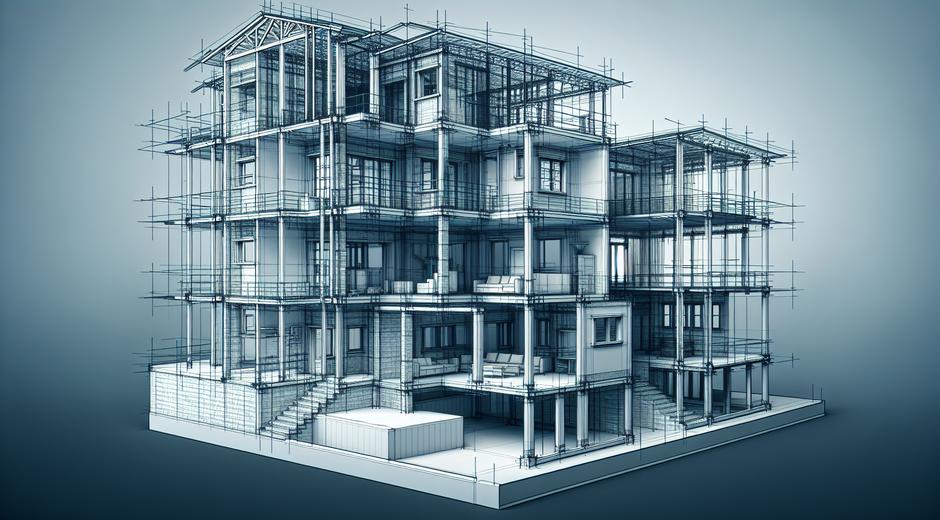
When a Load Bearing Wall carries weight it distributes that load down through studs posts or masonry to beams and finally to the foundation. In framed construction the wall will contain vertical studs joined to top and bottom plates. A header or beam will be used above openings such as doors and windows to carry loads around the opening. In masonry or concrete buildings the wall itself can be solid and continuous carrying heavy compressive loads. The key concept for homeowners and builders is that the load path must remain continuous when work is performed.
How to Identify a Load Bearing Wall
Identifying a Load Bearing Wall can be done by observing certain clues in the building. Typical indicators include walls that run perpendicular to floor joists walls that align with beams or walls directly above each other on multiple floors walls that contain heavier framing members and exterior walls which are usually Load Bearing Walls. Attics basements and crawl spaces are great places to inspect the underside of joists and beams to trace load paths. Always confirm your findings with a professional engineer or an experienced contractor before altering any suspect wall. For general fixing and home care guides visit fixolix.com for practical tips and project checklists.
Temporary Support and Shoring
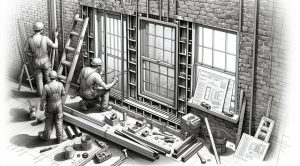
Before removing any section of a Load Bearing Wall temporary support must be installed to carry the load while the permanent solution is put in place. Temporary support can be provided with adjustable support posts strong backs or timber shores placed at regular intervals. The idea is to transfer the load to a safe bearing such as a beam or foundation so that the rest of the wall can be removed without shifting the structure. Detailed shoring plans will vary by project size and building type and must be calculated by a structural engineer for larger openings or complex loads.
Removing a Load Bearing Wall Safely
Removing a Load Bearing Wall will usually require installing a beam and supporting posts or columns created to carry the same load the wall once carried. Common beam materials include laminated veneer lumber steel I beams and glulam beams. The beam must be sized and supported at each end by suitable bearing points such as reinforced concrete or bearing walls with appropriate footings below. The sequence of work typically includes installing temporary supports cutting the wall in controlled sections installing the beam and then removing temporary supports only after the new load path is confirmed. This step by step approach protects structural integrity and worker safety.
Materials and Alternatives
Choosing the right beam material depends on span load and budget. Steel beams are compact and strong allowing longer spans with minimal depth. Engineered wood beams provide a warm aesthetic and are lighter to handle. Concrete beams are used in masonry construction or where fire resistance is important. In some projects an alternative approach is to redistribute loads with smaller beams and additional support posts so openings can be widened without large single beams. Each option affects cost installation complexity and the need for foundation reinforcement.
Permits Insurance and Building Codes
Work on a Load Bearing Wall almost always requires permits and must meet local building code requirements. Structural changes affect life safety and property value so municipal review is required to confirm plans are compliant. Insurance carriers may require proof that work was performed under permit and by licensed professionals. Keep all drawings receipts and inspection records to show that structural work followed approved plans. Failure to obtain permits can result in fines and can complicate future property sales.
Cost Considerations
Costs for altering a Load Bearing Wall vary widely based on the beam type span removal complexity and need for foundation work. Simple projects may be affordable but complex changes can become a major renovation. Budget items include engineering fees permit fees beam purchase and installation labor shoring and any required foundation or floor repairs. Always obtain multiple quotes and verify contractor credentials and references. Investing in a detailed structural plan increases predictability and reduces surprises during construction.
DIY Versus Hiring a Professional
Small cosmetic projects can be suitable for a confident DIYer but any work that affects a Load Bearing Wall requires professional guidance. Structural engineers can produce calculations and drawings that ensure safety and compliance. Skilled contractors will handle beam installation temporary support and coordinate inspections. Choosing the right professional protects your investment and ensures that the work is done safely and to code. If you are uncertain consult a licensed engineer before starting any demolition.
Common Mistakes and How to Avoid Them
Common mistakes include failing to identify a Load Bearing Wall relying solely on guesswork removing too much wall before providing proper support and neglecting required permits. Avoid these errors by performing a thorough inspection tracing joist directions checking for continuity of walls across floors and consulting professionals early. Plan for surprises such as hidden utilities and unique framing conditions that may change the approach. A cautious well planned process reduces risk and can save money over the life of the building.
Conclusion
Load Bearing Walls are fundamental to building safety and their alteration requires careful planning technical expertise and compliance with codes. Whether you are updating a living space removing a wall to open a kitchen or making structural repairs the priority is maintaining a continuous load path and ensuring proper support. Start with careful identification obtain engineering guidance evaluate material choices and secure the proper permits. For additional reading and related resources consider trusted sites that cover home improvement and repair tools such as Moviefil.com which can provide further background and reference links to professional services.