

Concrete Reinforcement
Concrete reinforcement is a foundation of modern construction practice that transforms brittle cement based material into a durable load bearing element. Understanding how reinforcement works and how to select and place it correctly is essential for contractors homeowners and design professionals. This guide covers the core materials design principles installation tips and maintenance strategies that ensure reinforced concrete structures perform safely and last for decades. For practical repair guides and fixing resources visit fixolix.com where you will find step by step instructions and material advice tailored to many common projects.
Why Reinforce Concrete
Plain concrete is strong in compression but weak in tension. Everyday loads bending forces and thermal movement create tensile stresses that plain concrete cannot resist without cracking. Adding reinforcement converts tensile forces into compressive forces that the concrete can handle. Reinforcement also controls crack widths ensures ductile failure modes and helps distribute loads more evenly across a structure. When correctly designed and placed reinforcement increases safety extends service life and reduces repair costs.
Common Reinforcement Materials
Several materials are used to reinforce concrete depending on the application exposure conditions and budget. The most common options include steel rebar welded wire fabric and fiber additives.
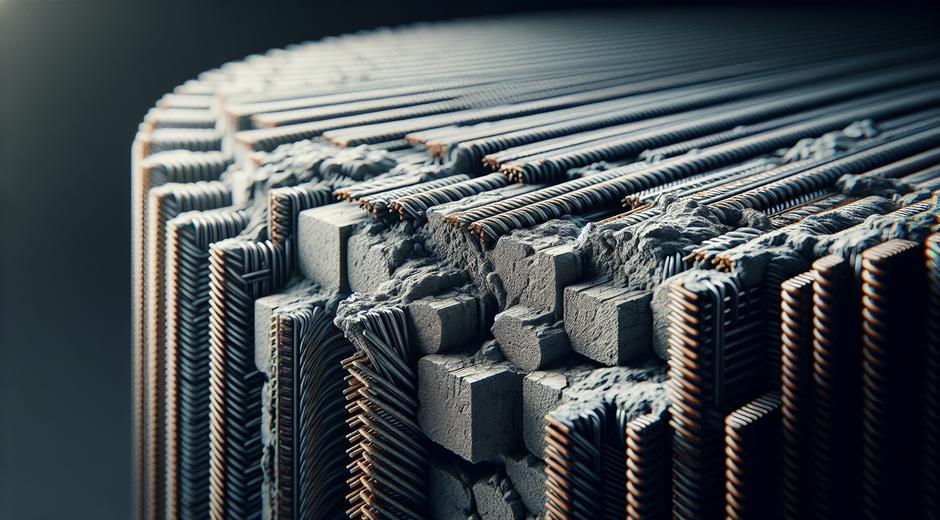
Steel rebar is the most widely used reinforcement. It is available in various sizes grades and deformed patterns that improve concrete bond. Rebar provides predictable strength and ductility and is suitable for beams columns slabs and foundations. When exposed to moisture and chlorides corrosion protection becomes critical. Corrosion reduces cross section and bond strength and leads to spalling of concrete.
Welded wire fabric or mesh is a prefabricated grid of steel wire used primarily in slabs and pavements to control cracking and provide uniform reinforcement. It is quick to install and helps maintain spacing of reinforcement during concrete placement.
Synthetic and steel fibers are mixed directly into the concrete to control plastic shrinkage and micro cracking. Fibers do not replace primary reinforcement in structural elements but they enhance durability and can reduce labor for mesh installation in some slab on grade scenarios.
Key Design Principles
Good reinforcement design balances strength ductility and durability while optimizing material use. Design codes provide rules for minimum reinforcement ratios development lengths cover requirements and spacing limits. Some basic principles include the following.
Provide sufficient tensile reinforcement where bending moments are highest. This typically means placing rebar near the tension face of beams or slabs.
Ensure adequate concrete cover to protect steel from corrosion and fire. Cover requirements vary with exposure class and element type. Insufficient cover leads to early corrosion and concrete deterioration.
Detail reinforcement to develop bars at supports and to provide continuity across joints. Hooks bends and adequate anchorage lengths prevent premature pull out and loss of capacity.
Control crack widths by using proper bar spacing and by providing supplementary reinforcement at potential cracking locations such as openings changes in stiffness and concentrated loads.
Placement and Installation Best Practices
Correct placement of reinforcement on site is as important as design. Even the best design will not perform if bars shift during concrete placement or if cover requirements are not met. Follow these best practices to improve installation quality.
Use chairs spacers and supports to maintain the specified cover and bar position. Chairs should be of a material compatible with the concrete environment and sized for the load during placement.
Tie bars securely at intersections to prevent movement from concrete flow. Wire ties clamping systems and mechanical couplers each serve specific uses and should be chosen based on accessibility and required performance.
Keep reinforcement clean and free of excessive rust oil or other contaminants that could affect bond. Light surface rust is acceptable but heavy scaling should be removed before placement.
Place concrete carefully to avoid displacing reinforcement. Use appropriate concrete slump and avoid excessive dropping or long free fall that can shift bars. In congested areas consider using smaller diameter bars alternate layout or staged pours to ensure proper consolidation.
Corrosion Control Strategies
Corrosion is the single largest threat to reinforced concrete durability in many environments. Several strategies reduce corrosion risk and extend service life.
Increase concrete cover to provide a thicker barrier against moisture and chlorides. Use low permeability mixes with proper water cement ratio and good curing practice to limit ingress of aggressive agents.
Use corrosion resistant reinforcement where conditions require it. Options include epoxy coated rebar stainless steel rebar and galvanized rebar. Each option has trade offs in cost and long term performance and should be selected based on exposure conditions and life cycle requirements.
Apply surface treatments coatings or corrosion inhibitors to slow down chloride induced corrosion especially for repair projects on existing structures.
Inspection Common Defects and Repair
Regular inspection helps catch problems early and avoid major repairs. Look for signs of cracking spalling rust staining and delamination. Map defects and monitor progression to determine if immediate intervention is required.
Repair methods vary from patching small spalls to cathodic protection for severely corroded reinforcement. Proper repair includes removing damaged concrete exposing corroded bars cleaning or replacing the bars applying corrosion inhibitors restoring cover and then patching with compatible repair mortars. Follow manufacturer instructions and code guidance for repair materials and procedures to ensure long term success.
Sustainability and New Trends
Concrete reinforcement is evolving with sustainability and performance innovations. High strength rebar allows reduced steel volume and thinner sections. Use of recycled steel reduces embodied energy of reinforcement. Fiber reinforced concrete is gaining traction for applications where crack control is the main objective. Advances in admixture technology produce mixes with low permeability and improved compatibility with reinforcing steel which extends service life and reduces life cycle environmental impact.
For industry discussion case studies and networking opportunities consult reliable business and construction forums such as BusinessForumHub.com where practitioners share best practice and lessons learned across many project types. Engaging with the community helps specifiers and contractors stay current with emerging materials and techniques.
Quality Control and Testing
Quality control ensures that the design intent translates into a safe lasting structure. Testing of materials includes checking rebar grade dimensions and tensile properties. During construction verify bar placement cover and concrete strength through slump tests and cylinder samples. Non destructive testing and imaging techniques help detect hidden defects and assess bond condition without intrusive demolition.
Documenting inspections tests and corrective actions creates a record that supports future maintenance and repair decisions. Clear as built drawings with reinforcement locations and details are invaluable for owners and service teams decades later.
Conclusion
Concrete reinforcement is a critical discipline that underpins the safety longevity and performance of buildings and infrastructure. Choosing the right materials detailing them to control cracking and corrosion and executing precise installation and maintenance practices will deliver durable structures and reduce life cycle costs. Whether you are planning a new project or maintaining an existing asset a methodical approach to reinforcement will pay dividends in resilience and value.
For hands on repair guides deep dives into related topics and practical advice for many fixing tasks explore our resources at fixolix.com and join industry conversations at BusinessForumHub.com to learn from other professionals.