

Thermal Insulation Boards
Thermal insulation boards are a core component in modern building design and renovation. They provide effective control of heat flow, improve energy efficiency and contribute to comfort in homes and commercial spaces. This article explores the types of thermal insulation boards, their benefits, key technical factors to consider, installation tips and cost considerations. If you are planning a project, understanding these points will help you choose the right board for your needs and achieve long term savings.
Why Use Thermal Insulation Boards
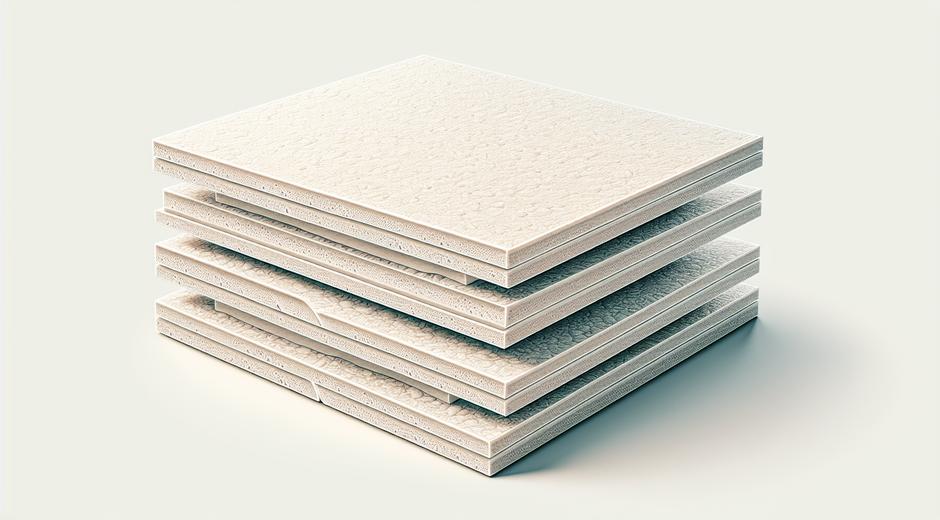
Proper thermal insulation reduces energy loss through walls floors and roofs. That lowers heating and cooling costs and reduces carbon emissions. Insulation boards are thin rigid panels that deliver high thermal performance in a compact form. Compared with loose fill or spray applied materials boards are easier to cut handle and install. They also offer consistent thermal performance across the area where they are fitted which improves predictability during design and helps meet building code requirements.
Common Types of Thermal Insulation Boards
There are several types of thermal insulation boards available today. Each type has unique properties and ideal use cases. The main types include expanded polystyrene often abbreviated as EPS extruded polystyrene known as XPS mineral wool polyisocyanurate often shown as PIR and phenolic foam. EPS is lightweight and cost effective while XPS has higher compressive strength and water resistance which makes it suitable for applications with moisture exposure. Mineral wool provides excellent fire resistance and sound absorption. PIR boards offer high thermal performance per unit thickness which is useful where space is limited. Phenolic foam provides low thermal conductivity and good fire performance in many applications.
Key Technical Factors to Evaluate
Thermal conductivity is the primary metric to compare insulation boards. Lower thermal conductivity means better insulating power. Designers often refer to the R value or thermal resistance to quantify how much insulation is provided per unit thickness. R value increases with thicker boards and with materials that have lower thermal conductivity. For compact builds where thickness is limited choose a material with higher R value per inch.
Other important factors include compressive strength moisture resistance and fire performance. Compressive strength matters for applications under floor finishes or where loads are applied. Moisture resistance helps maintain long term thermal performance since water in the board can reduce insulating properties. Fire performance ratings and behavior under heat are critical for many wall and roof applications and must meet local building codes.
Installation Best Practices
Proper installation ensures boards deliver their rated performance. Always follow manufacturer guidance and consider the following best practices. Prepare the substrate so it is clean dry and level. Cut boards with a straight saw or a sharp utility knife for a neat fit. Stagger joints where possible to avoid continuous seams that can act as thermal bridges. Seal joints with compatible tape or foam to prevent drafts and to maintain continuous thermal insulation. For external wall systems use mechanical fixings in addition to adhesive where required by design. When installing boards in floors ensure there is a stable base and check compressive strength is suitable for the expected load.
When working in confined areas wear appropriate safety gear and ensure good ventilation. Some materials produce dust when cut so use a mask and eye protection to minimize inhalation and irritation. Dispose of off cuts and packaging responsibly and recycle when possible.
Applications Across Building Types
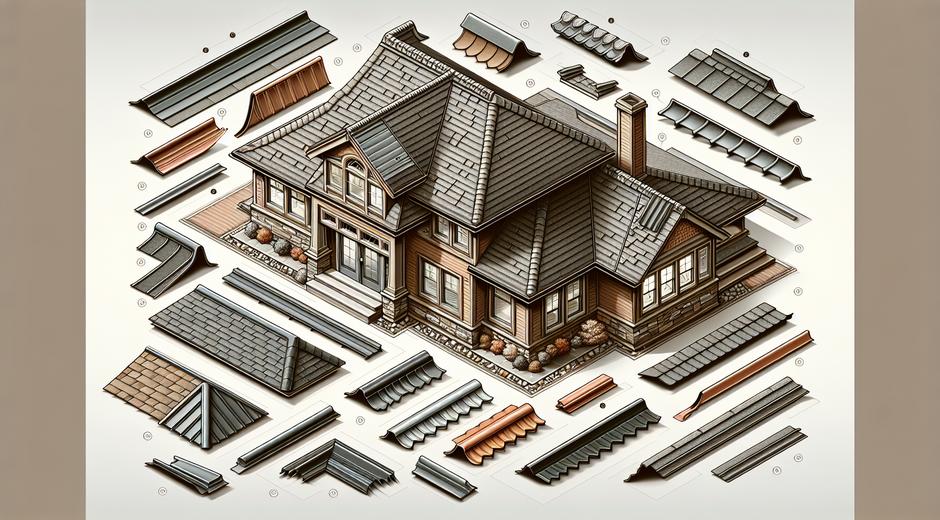
Thermal insulation boards are used in many parts of a building. In roofs they can be placed above or below the sheathing depending on the build up and the need for vapour control. In external walls boards can be used inside stud cavities on the warm side or externally as continuous insulation which reduces thermal bridging at studs. Under floor slabs rigid boards control heat loss to the ground and provide a stable base for floor finishes. They are also common in retrofit projects where thin boards are preferred to save interior space while still improving thermal performance.
Energy Savings and Long Term Value
Investing in quality thermal insulation boards can deliver fast pay back through lower energy bills. The exact return depends on local energy prices climate and the level of insulation already in the building. In many cases upgrading to modern boards delivers both immediate comfort gains and long term savings. Insulation also increases the value of a property and can help meet energy efficiency incentives. For those planning a larger renovation it is worth assessing insulation together with heating and ventilation improvements to create a balanced energy strategy.
For detailed project guides product comparisons and practical tips you can visit our main resource hub on fixolix.com where we cover fixing techniques materials and tools across multiple categories. That resource includes checklists and step by step workflows to support DIY and professional installers alike.
Cost Factors and Budgeting
Board price varies with material thickness thermal performance and brand. EPS is often the lowest cost option while PIR and phenolic boards are higher cost but may reduce required thickness and therefore save space. Installation costs depend on site access complexity and whether additional trades such as plasterers or roofers are required. To budget accurately obtain multiple quotes and factor in any necessary vapour control layers fixings and finishing treatments. Where financing is needed consider offers that spread the cost over time. For financing options and industry news check reputable financial resources such as FinanceWorldHub.com for guidance on loans grants and incentives that may be available for energy efficiency upgrades.
Choosing the Right Board for Your Project
Selecting the right thermal insulation board begins with defining the performance target space constraints and environmental conditions. If moisture is a concern choose boards with good water resistance. For fire critical locations select materials with appropriate reaction to fire ratings. If you need to minimize thickness choose products with high thermal resistance per unit thickness. Always consult manufacturers technical data sheets to verify declared thermal conductivity R value and compressive behavior. When in doubt engage a qualified energy assessor or architect to confirm compliance with local codes and to optimize the build up for long term performance.
Maintenance and Longevity
Thermal insulation boards are low maintenance when properly installed. Protect exposed boards from prolonged UV exposure moisture and mechanical damage. If boards are part of an external wall insulation system periodic inspections can identify any movement or damage early. Maintaining flashing seals and ensuring drainage paths stay clear will preserve the insulating function. With correct detailing many boards retain their performance for decades making them a sustainable choice for long term energy management.
Conclusion
Thermal insulation boards are a versatile efficient and practical solution for improving building thermal performance. By understanding the types available the technical metrics and best installation practices you can select a product that fits your project goals and budget. Consider long term benefits such as energy savings comfort improvements and enhanced property value when making decisions. Use trusted resources and specialist advice when required to ensure a successful outcome and a durable thermal envelope for your building.