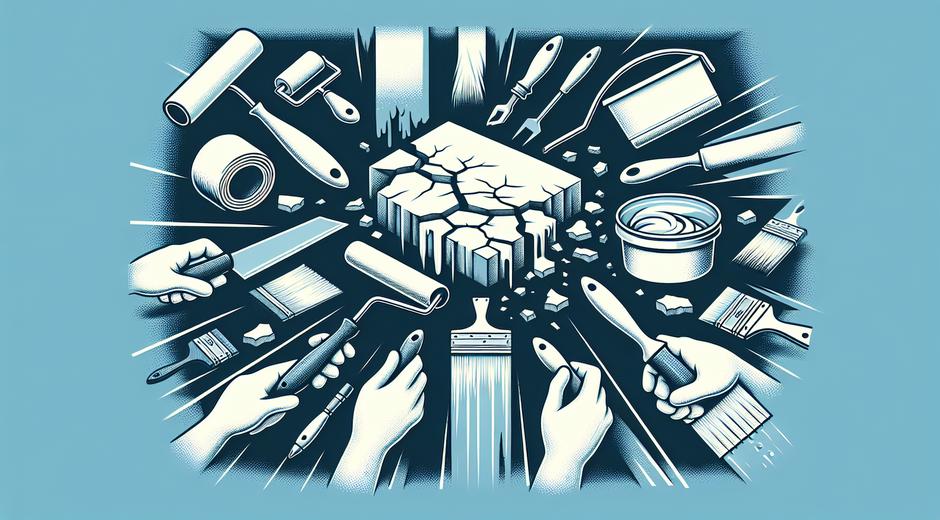


Wall Crack Repair: Complete Guide to Diagnose and Fix Cracks in Walls
Wall Crack Repair is a common task for homeowners and maintenance professionals. Cracks in walls not only affect the look of a room but can also signal structural issues that need immediate attention. This guide explains the types of cracks, the causes, and proven methods to repair them safely and effectively. Whether you plan a DIY approach or will hire a professional, you will find clear steps, material lists, cost considerations, and prevention tips.
Why Wall Crack Repair Matters
Small hairline cracks may seem harmless but they can grow into larger problems over time. Water can enter through gaps and cause mold or damage to interior finishes. Structural cracks can compromise the integrity of a wall and affect the safety of the entire building. Timely Wall Crack Repair preserves property value and prevents costly restoration later.
Common Causes of Wall Cracks
Understanding why cracks form is the first step in choosing the right repair method. Common causes include:
- Settlement of the building foundation which creates stress in walls
- Thermal movement when materials expand and contract with temperature changes
- Moisture related damage from leaks or poor drainage
- Poor construction or improper plastering and finishing
- Vibrations from heavy traffic or nearby construction work
Diagnosing the cause will tell you whether a cosmetic patch is enough or if you need structural repair work.
Types of Cracks and What They Mean
Not all cracks are the same. Here are the common types and the typical repair approach for each.
- Hairline cracks are very thin surface cracks. They usually result from drying and minor movement. These can usually be repaired with filler or paintable caulk.
- Stair step cracks follow mortar joints in brickwork and can indicate foundation settlement. These require careful evaluation and sometimes underpinning or stabilization by a specialist.
- Vertical cracks may be caused by normal settling but can also signal structural shifting if they are wide or growing. Monitor and repair if necessary.
- Horizontal cracks especially in foundation walls may indicate pressure from soil or hydrostatic forces and must be evaluated by a professional.
- Cracks around windows and doors often come from framing movement or poor installation and are usually fixed by shimming or re framing and sealing.
DIY Wall Crack Repair: Tools and Materials
Many repairs can be done by a competent DIYer with common tools. Typical materials you will need include:
- Putty knife and sanding block
- Quality filler or joint compound for interior walls
- Premixed masonry repair mortar for exterior brick or concrete
- Epoxy injection kit for deep structural cracks that require bonding
- Mesh tape to reinforce wider cracks
- Primer and paint to match the finish
- Safety gear such as gloves and eye protection
Step by Step Wall Crack Repair for Interior Plaster or Drywall
Follow these steps for a durable finish on interior cracks.
- Clean the area by removing loose material with a putty knife. Widen very narrow cracks slightly to allow filler to key in.
- If the crack is deeper than a few millimeters, apply mesh tape over the crack to add tensile strength.
- Apply a first coat of joint compound or filler and press it into the crack. Smooth it with a putty knife.
- Allow the filler to dry fully. Sand the surface smooth and apply a second thin coat if needed.
- Prime the repaired area to seal the patch. Once dry, paint to match the surrounding wall.
For ongoing movement, use a flexible caulk in final finish areas such as around trim lines to avoid repeat cracking.
Repairing Exterior Masonry Cracks
Exterior walls require materials suited to weather and movement. For small hairline cracks in render use a polymer modified mortar. For deeper cracks in brick or stone use a compatible mortar mix and tuck pointing. If you suspect water penetration or foundation related issues consult a specialist. Regular maintenance and prompt Wall Crack Repair extend the life of the facade.
When to Use Structural Injection or Professional Help
Large cracks that are widening or that indicate foundation movement require intervention beyond cosmetic repair. Epoxy injection or polyurethane injection can bond concrete and block cracks from the inside and stop water migration. These techniques are best done by trained technicians. If you see horizontal cracks in load bearing walls or bulging and misalignment contact a licensed structural engineer for inspection and an action plan.
Cost Considerations and Budgeting
Costs vary by type of crack and repair chosen. Simple filler and paint can be very affordable. Exterior masonry reconstruction or foundation stabilization will be more expensive. Always get multiple quotes for larger projects and request itemized estimates. This helps you compare labor and materials and choose the most cost effective solution in the long run.
Preventive Measures to Minimize Future Cracks
Prevention is often more economical than repair. Take these steps to reduce the chance of new cracks:
- Maintain proper drainage and keep water away from foundation walls
- Address leaks promptly to avoid moisture related swelling and decay
- Control interior humidity levels to reduce movement in plaster and wood
- Use quality finishing products and follow proper curing and drying times
- Monitor the property for early signs of movement and repair small cracks promptly
Choosing the Right Contractor
When you need a professional, look for contractors with relevant experience and good local reviews. Ask for references and examples of recent Wall Crack Repair work. Confirm they have appropriate insurance and any required licenses. A reliable contractor will perform a proper diagnosis and explain repair options clearly, including how they will prevent recurrence.
How to Monitor Cracks After Repair
After repair use simple monitoring techniques to catch any recurring movement early. Mark the ends of a crack with pencil and log the dimensions. Take photos monthly if you suspect ongoing movement. If a repaired crack reappears or grows within a few months arrange for a professional evaluation.
Additional Resources and Further Reading
For general home care and maintenance guidance visit fixolix.com where you can find articles and checklists for common repair tasks. To stay updated on home improvement news and techniques consider reading a home trade publication or online news resource such as Newspapersio.com which features relevant industry updates and project ideas.
Summary and Final Advice
Wall Crack Repair combines correct diagnosis with the right materials and workmanship. For small cosmetic cracks a DIY approach is often sufficient. For structural or persistent cracks engage a professional for a full assessment. Regular inspection and timely action keep small problems from becoming major repairs. By following the guidance in this article you can restore appearance and safety to your walls and protect the value of your property.
If you need step by step instructions for a specific crack type or a checklist to prepare for a professional evaluation let us know and we will provide a tailored plan for your situation.