

Drywall Corner Beads A Complete Guide to Selection Installation and Repair
What Are Drywall Corner Beads
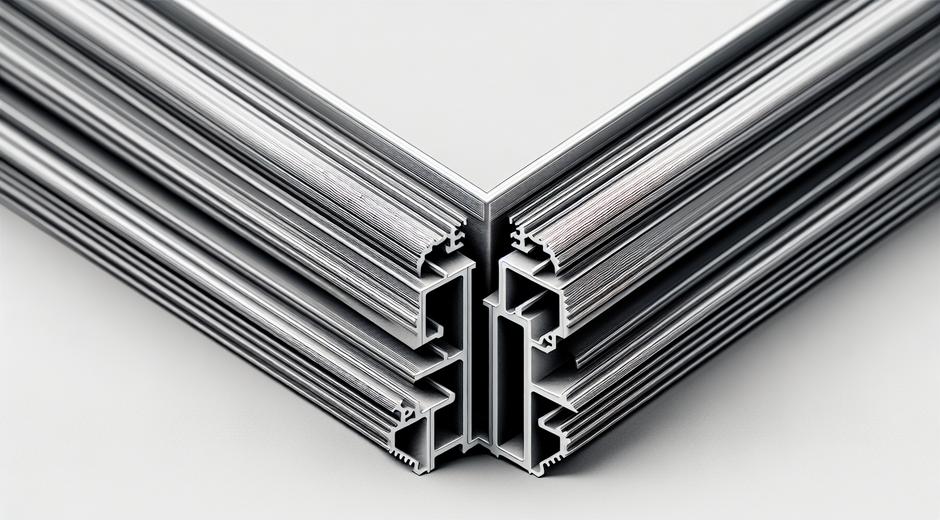
Drywall corner beads are the profiles installed on external corners of drywall walls to create a straight protected edge that resists wear and provides a crisp clean appearance. Corner beads serve both a practical role protecting vulnerable edges and an aesthetic role delivering a uniform sharp line that catches paint and texture evenly. For builders remodelers and DIY enthusiasts understanding the role of drywall corner beads is essential to achieving long lasting smooth corners.
Why Corner Beads Matter
Corners take the most impact in everyday use. Without a proper corner bead corners will dent chip and show uneven paint and texture over time. A quality corner bead reduces repair needs speeds finishing time and ensures your walls maintain a professional look. Proper installation also reduces visible cracks at the joint between two sheets of drywall which helps avoid costly touch up work later.
Common Types of Drywall Corner Beads
There are several popular types of drywall corner beads each with advantages depending on the project and environment. Common options include metal corner beads that are rigid and durable vinyl corner beads that resist rust and are easy to finish and paper faced corner beads that integrate with joint compound for a nearly seamless finish. There are also flexible beads designed for curved corners and reinforced profiles for high traffic spaces.
Metal Corner Beads
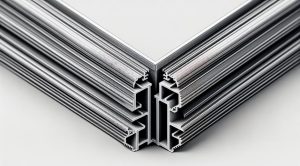
Metal corner beads are usually made from galvanized steel and provide a very strong edge that stands up to repeated impact. They are preferred in commercial properties and in areas where durability is the top priority. Installation requires careful fastening and taping to avoid visible nail or screw heads and to allow smooth application of joint compound.
Vinyl Corner Beads
Vinyl corner beads resist moisture and do not rust so they are a common choice for bathrooms kitchens and basements. They are simpler to cut and handle which makes them popular for many remodelers and home projects. Vinyl profiles can be fastened with nails screws or adhesive and typically produce an easy to sand smooth corner when finished correctly.
Paper Faced Corner Beads
Paper faced corner beads combine a thin metal or plastic edge with paper flanges that are embedded in joint compound. This approach creates a very clean finish with less visible metal and reduces cracking when properly applied. The paper layer bonds with the joint compound offering a durable seamless look when painted.
How to Choose the Right Corner Bead
Selecting the best drywall corner beads depends on several factors. Consider the room type traffic levels and exposure to moisture. For kitchens and bathrooms choose materials that resist corrosion. For living areas where furniture may brush against corners select a heavy duty profile. Budget and finish skill level also matter because some beads require more precise finishing to achieve a flawless result.
Tools and Materials Needed
Before you install drywall corner beads gather the necessary tools and materials. You will need a utility knife drywall saw or sharp snips to trim the bead joint compound a taping knife in several widths for feathering sandpaper or a sanding block and a method to fasten the bead such as screws nails or construction adhesive. For paper faced profiles you will also need a quality joint compound suited to feathering and bonding the paper to drywall surfaces.
Step by Step Installation Guide
Follow a consistent method to install drywall corner beads and achieve a professional looking result. First ensure the corner surfaces are clean and the drywall edges are straight. Measure and cut the bead to length allowing a small overlap at the top and bottom if needed. Fit the bead and fasten it carefully at regular intervals keeping fasteners slightly countersunk.
Next apply a generous but controlled layer of joint compound along the flanges and over the bead. Use a wide taping knife to feather the edges progressively making sure to knock down any ridges. Allow the compound to dry fully then apply at least one additional coat to build out the corner and blend into the wall. Sand lightly between coats once the compound is firm and finish with a final skim coat for maximum smoothness.
Troubleshooting Common Installation Problems
Certain issues can appear during or after installation. Visible fastener heads indicate fasteners were left proud of the bead and need to be set deeper and covered with a thin filler coat. Uneven corners usually come from an uneven bead placement and can be corrected by adding compound to the low side and feathering. Cracking often results from insufficient tape or compound adhesion especially on paper faced profiles so ensure the surface is clean and that you use the right compound for embedding paper.
Repairing Damaged Corners
Repairing drywall corner beads begins with assessing the extent of the damage. Small dents and nicks can be filled with joint compound sanded and repainted. For larger damage where the bead is deformed or separated from the drywall remove the damaged section cut a replacement piece and fasten it in place before re taping and mudding. When corrosion has weakened a metal corner you may want to replace that section with a corrosion resistant vinyl profile to avoid repeated repairs.
Finishing Tips for Perfect Corners
Finishing is where professional looking corners are created. Use progressively wider knives when applying each coat of compound and keep the edges feathered well onto the wall to hide the transition. Light sanding between coats reduces visible imperfections and a final light texture or primer coat helps the paint adhere evenly. When painting choose a paint with good coverage and apply thin even coats to avoid buildup at the corner that can highlight any minor inconsistencies.
Maintenance and Long Term Care
Maintaining drywall corners involves routine cleaning and prompt repair of any dings. For high traffic areas consider installing protective corner guards or using a heavier duty profile at the time of construction. Quick low cost repairs with lightweight compound can extend the life of your corners until a more comprehensive fix is practical.
Why Quality Matters and Where to Find Supplies
Choosing the right drywall corner beads and finishing them correctly saves money and time by reducing future repairs and improving the final appearance of a space. For a wide selection of materials tools and expert advice visit fixolix.com where you can compare options and find step by step guides that match your project. For inspiration on finishes and complementary textures check reliable resources like TasteFlavorBook.com which showcases creative approaches to wall treatments and color coordination.
Final Thoughts
Drywall corner beads are a small component that has a major impact on the durability and look of interior walls. Understanding the types available how to install them and how to repair them will help you achieve superior results whether you are finishing new construction or updating an older property. Invest time in selecting the right profile learning proper finishing techniques and using quality materials and your corners will look great and stand up to everyday life for many years.