

Wood Beam Support Guide for Safe Long Lasting Structures
Wood beam support is a critical aspect of any building that uses timber to span space and carry loads. Whether you are renovating a home adding an opening in a wall or designing a new structure understanding how to choose size install and maintain wood beam support will protect your property and increase longevity. This guide covers practical guidance on types of support sizing methods installation tips maintenance checks and eco friendly options so you can make informed choices.
Why Wood Beam Support Matters
Proper wood beam support transfers load from floors roofs and other elements down to foundations. When support is inadequate beams can sag crack or fail leading to safety hazards and costly repairs. Thoughtful selection of beam size support method and fasteners ensures even load distribution prevents unwanted movement and reduces risk of structural damage. For detailed articles and additional resources on various fixing tasks visit fixolix.com where you will find guides tools and product recommendations for home projects.
Common Types of Wood Beam Support
There are several common support methods used for wood beams. Each method has advantages depending on project constraints and aesthetic preferences.
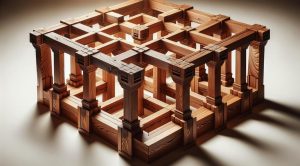
Post and beam support uses vertical posts that bear on footings or slabs. This is popular for porches and open plan spaces where intermediate support is allowed. Continuous support such as bearing walls provides support along the length of the beam offering a simple load path. Steel brackets and hangers provide point support where beams meet walls or other beams. These solutions offer compact connections and are common in retrofit work. Masonry or concrete piers under posts give durable foundation level support for exterior and interior applications.
Sizing and Load Considerations
Correct sizing for wood beam support depends on several variables. These include span length beam material species section dimensions load type and spacing of supports. Live loads such as people and furniture and dead loads such as roofing and finishes must be considered together. Many builders refer to span tables or consult structural design guides to determine beam depth and width. For larger or complex projects calculate bending moment shear and deflection to ensure the beam and its support meet safety and comfort criteria. For buildings subject to local codes make sure your design meets or exceeds those requirements.
Choosing Materials for Support
Material choice affects durability ease of installation and appearance. Treated timber is common for outdoor applications where moisture and insect resistance are necessary. Engineered wood such as laminated veneer lumber or glued laminated timber gives greater strength per dimension and can span longer distances than solid sawn lumber. Steel components like plates brackets and posts may be used where compact connections are required or where slender profiles are desired. Concrete footings are standard where frost or soil conditions demand a stable bearing surface. Consider corrosion protection and compatibility between wood and metal fasteners to avoid long term deterioration.
Installation Best Practices
Begin by establishing accurate layout and ensuring that bearing points align vertically down to foundation elements. When installing posts ensure they rest on properly sized footings or piers that distribute load into the soil. For beam to post connections use appropriate connectors sized for the expected load and secure them with the correct fasteners. When cutting or notching beams follow accepted limits to preserve structural capacity. Always maintain adequate ventilation around timber to reduce risk of moisture related decay. Where beams pass through walls seal carefully to prevent water ingress while providing any required fire containment.
Common Problems and How to Fix Them
Sagging is one of the most visible signs of wood beam support problems. It may be caused by undersized beams settlement of supports or ongoing overload. Temporary jacking can restore alignment but the underlying cause must be addressed often with additional support new footings or replacement of damaged members. Rot and insect damage require removal of affected material replacement with treated or engineered members and treatment of adjacent areas. Loose or corroded connectors should be replaced with compatible fasteners and corrosion protected hardware. For hairline cracks monitor for change while major cracks may require reinforcement or replacement.
Maintenance and Inspection
Regular inspection extends service life and prevents surprises. Check for signs of moisture staining movement cracks or sagging at least once a year and after major weather events. Pay attention to connections for rust or looseness and to any changes in floor or ceiling plane that may indicate movement. Keep areas around beams free from persistent damp and ensure gutters downspouts and drainage systems direct water away from foundation and support elements. For historic or concealed timbers consider consulting a specialist for detailed assessment.
Cost and Value Considerations
Costs for wood beam support vary widely based on material choice access to the area complexity of connections and requirement for foundation work. Engineered beams cost more upfront but can allow slimmer profiles and longer spans reducing the need for additional posts. Using steel brackets and modern fasteners can speed installation and reduce labor cost in many cases. When budgeting include inspection jacking and temporary shoring where required. Investing in proper support and quality materials reduces long term repair costs and often improves resale value.
When to Use a Professional
Many homeowners can carry out minor repairs and simple installations but any change that alters load paths affects safety. Consulting a structural engineer is important when removing bearing walls adding large openings or changing roof framing. Engineers provide calculations and detailed connection plans that protect your investment and ensure compliance with local building rules. Licensed contractors bring experience with foundation work permits and code inspections which can save time and avoid costly rework.
Eco Friendly Options for Wood Beam Support
Choosing sustainable materials and techniques can reduce environmental impact without sacrificing performance. Sourcing certified timber using responsible management practices and selecting long lasting treated or engineered products extends service life. Reclaimed timber offers character and lowers embodied energy when used in appropriate applications. For information about eco friendly materials suppliers and certification programs explore resources at Ecoglobalo.com which focuses on sustainable building products and solutions.
Final Checklist for Successful Wood Beam Support
Use this checklist to confirm you have considered key elements before you begin work
- Verify span and loading to select proper beam size
- Confirm bearing points align to foundation or suitable footings
- Choose compatible materials and corrosion protected fasteners
- Plan for ventilation and moisture control around timber
- Arrange for inspection and permits when required by code
- Set aside budget for temporary shoring and unforeseen repairs
Wood beam support is a critical part of any timber structure and proper planning selection and maintenance will keep your building safe and functional for decades. Careful attention to load paths supports materials and connections reduces risk and adds long term value. For more how to guides product reviews and repair tips visit the resource hub linked earlier to help plan your next project with confidence.