

Foundation Leveling: How to Restore Structural Stability and Prevent Costly Damage
Foundation leveling is a critical service that homeowners and property managers must understand to protect building value and ensure long term safety. When a foundation settles unevenly the entire structure can suffer from cracks doors that stick and plumbing misalignment. This article explains what foundation leveling is why it matters common causes and proven repair methods so you can make informed decisions about inspections and repairs.
What Is Foundation Leveling and Why It Matters
Foundation leveling is the process of restoring a building foundation to its original or safe position after movement or settlement. The goal is to stop ongoing damage and to prevent new damage caused by uneven loads and shifting. Left unattended foundation movement can lead to severe structural problems that are far more expensive to repair than addressing early warning signs.
Early intervention preserves interior finishes maintains proper door and window operation and protects mechanical systems such as plumbing and HVAC. For anyone owning an older property or a home built on expansive soil foundation leveling is an investment in long term resilience.
Common Causes of Foundation Settlement
Understanding the root cause of foundation movement helps choose the correct leveling approach. Typical causes include variations in soil moisture changes in load distribution and poor initial site preparation. Clay rich soils expand and contract with moisture extremes while sandy soils may erode and shift under certain drainage conditions.
- Poor drainage that allows water to pool near the foundation
- Tree roots that absorb soil moisture and create voids
- Inadequate compaction during original construction
- Changes in load from remodeling or added stories
Signs You Need Foundation Leveling
Watch for visible clues that indicate possible foundation settlement. Common signs include cracks in exterior walls or interior drywall uneven floors and gaps between molding and wall surfaces. Other indicators are doors and windows that suddenly stop closing properly and water intrusion in basements or crawl spaces after storms.
A professional inspection confirms whether these symptoms are cosmetic or evidence of structural movement requiring foundation leveling. Timely assessment reduces the risk of escalation and helps prioritize repairs based on safety and budget concerns.
Proven Foundation Leveling Methods
There are several reliable techniques professionals use to level foundations. The choice depends on soil conditions foundation type and the severity of movement. Below are the most common methods and their advantages.
Polyurethane Foam Injection
Polyurethane foam injection is a modern method that injects high density foam beneath a slab. The foam expands to fill voids lifts the slab and stabilizes the soil. This technique is fast non invasive and causes minimal disruption to landscaping and interior finishes. It is excellent for small to moderate settlement and offers long lasting stabilization when installed correctly.
Slab Jacking with Grout
Slab jacking sometimes called pressure grouting involves pumping a cementitious grout beneath settled concrete slabs through small access holes. The grout lifts the concrete to its original elevation and seals voids. This method is time tested and effective for driveways patios and interior slabs where heavy loads are not concentrated on a single point.
Pier and Beam Underpinning
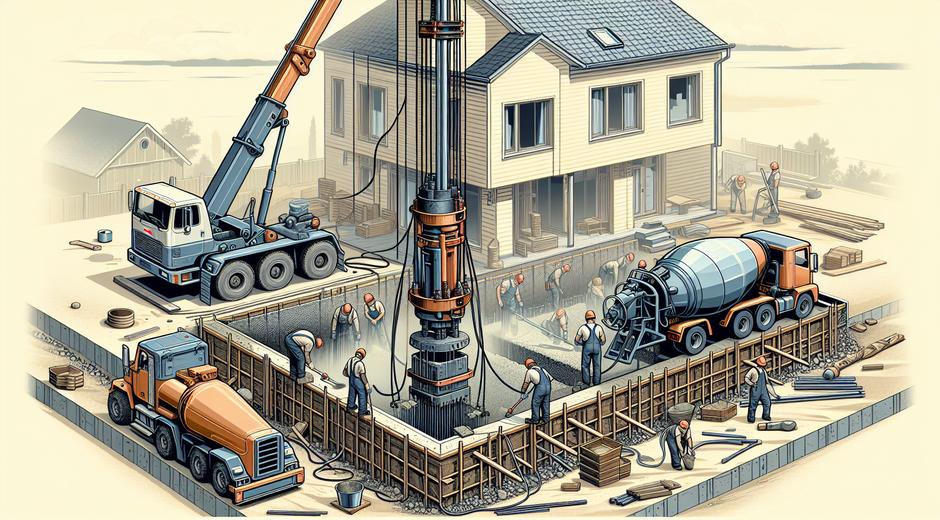
For deeper settlement or properties with crawl spaces piering and underpinning provide robust long term solutions. Steel piers or concrete pilings are driven to stable strata beneath the foundation then attached to the structure to transfer load away from unstable soil. Pier and beam underpinning is recommended for significant movement or where soil bearing capacity is poor.
Choosing the Right Contractor
Selecting a qualified contractor is as important as choosing a repair method. Look for firms with specialized experience in foundation leveling proven customer references and clear warranties. A reputable company will provide a detailed evaluation a written plan and an estimate that outlines both short term repairs and any recommended follow up maintenance.
Before signing any agreement request documentation such as business licensing insurance and examples of completed projects. Transparent communication about expected outcomes and risks helps set realistic goals for foundation recovery.
Costs and Return on Investment
Costs for foundation leveling vary widely depending on method scope and soil conditions. Foam injection and slab jacking are often more affordable for localized issues while piering may require a larger initial outlay but can prevent recurring settlement and restore full structural integrity.
Investing in timely foundation leveling typically increases property value and avoids emergency repairs that can be far more costly. Many homeowners find the return in reduced risk and improved livability justifies the expense.
Maintenance and Preventive Measures
After foundation leveling ongoing maintenance reduces the chance of recurrence. Key steps include maintaining consistent drainage around the foundation avoiding concentrated landscape irrigation and pruning trees that draw excessive moisture near the structure. Regular inspections especially after severe weather help catch new issues before they escalate.
Installing proper gutters and downspouts directing water away from the foundation and maintaining uniform soil moisture near the foundation edge are simple low cost practices that significantly reduce long term settlement risk.
DIY Versus Professional Repair
Minor issues such as small cracks in finishes can be repaired by a competent homeowner but foundation leveling requires specialized equipment technical soil knowledge and safety procedures. Attempting large scale lifting or underpinning without training can worsen damage and create hazards. Hiring a licensed foundation repair specialist ensures the correct diagnosis and durable results.
If you need general guidance about repairs components or contractors consider reputable online resources and directories. For a broad range of home fix information and professional referrals you may start with the site below which covers many fixing categories and repair topics.
For detailed repair guides and service listings visit fixolix.com and explore articles and contractor recommendations that match your needs.
How to Prepare for Foundation Leveling Work
Before any work begins clear access around the foundation protect plants and remove valuables from affected interior rooms. Ask the contractor for a timeline and plan for any temporary disruption to utilities. Good preparation reduces project time and helps the crew work more efficiently.
Final Thoughts
Foundation leveling is essential for preserving structural safety and minimizing costly future repairs. Recognizing the warning signs choosing the right repair method and hiring experienced professionals are key steps to a successful outcome. Preventive maintenance and proper drainage management reduce the probability of future settlement.
For more home care resources and related topics consider checking a curated lifestyle resource that offers tips and recommended services for homeowners.
Learn more about related home services and tips at Romantichs.com and use that information to plan the next steps for foundation inspection and repair.