

Crawl Space Insulation Guide: Improve Comfort and Protect Your Home
Crawl space insulation is a crucial upgrade for homeowners who want to improve comfort reduce energy costs and prevent moisture related damage. Whether your home has an unfinished crawl space with exposed joists or a semi conditioned area with some existing insulation choosing the right approach can make a large difference in indoor air quality and home durability. In this guide we will explain why crawl space insulation matters what materials work best and how to choose between a do it yourself approach and hiring a professional.
Why Crawl Space Insulation Matters
Many homeowners overlook crawl space insulation because the area is out of sight. That can be a costly mistake. Heat and cold move through floors and into living spaces above a crawl space with poor insulation. This creates uncomfortable drafts and forces heating and cooling systems to work harder. Proper crawl space insulation limits heat transfer and helps maintain a stable indoor temperature. It also reduces the risk of moisture accumulation that can lead to mold wood rot and pest activity.
Primary Benefits of Crawl Space Insulation
- Lower energy bills due to reduced heat loss in winter and heat gain in summer
- Improved indoor comfort with fewer cold spots and more consistent temperatures
- Reduced moisture problems when combined with proper vapor control
- Better indoor air quality because fewer pollutants and allergens enter living spaces
- Less strain on HVAC equipment which may extend system life
Types of Crawl Space Insulation Materials
There are several materials used for crawl space insulation. The right choice depends on your climate budget and the condition of the crawl space.
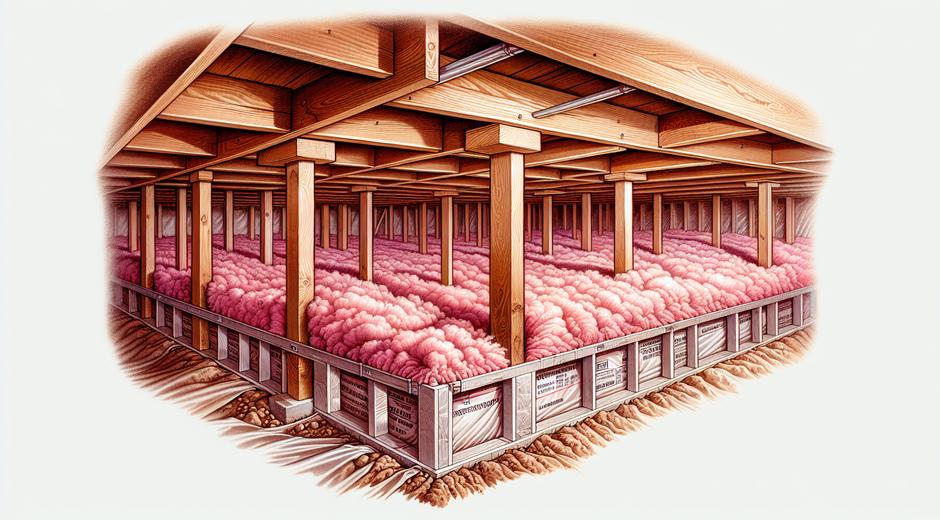
- Fiberglass Batts: Common and affordable. Best when installed between floor joists on a clean dry crawl space. Fiberglass works poorly if it becomes wet so proper moisture control is essential.
- Rigid Foam Boards: XPS or polyiso boards offer high R value per inch and are often used on foundation walls or under floor joists. They are moisture resistant and provide a continuous thermal barrier when sealed at the seams.
- Spray Foam: Closed cell spray foam adheres to surfaces and provides both insulation and an air barrier. It can be more expensive but offers excellent performance and added structural benefit when applied correctly.
- Reflective Insulation: Foil backed products can help in hot climates by reflecting radiant heat. They perform best when there is an air gap and when combined with other insulation types.
Insulation Strategies for Different Crawl Space Types
There are two major strategies that professionals use to insulate a crawl space. One approach is to insulate under the floor between the joists. The other approach is to insulate the foundation walls and create a conditioned crawl space. Each has pros and cons.
Insulating under the floor is often lower cost and works well in mild climates. It keeps the living space above warmer in winter and cooler in summer. However floor insulation alone does not address moisture coming up from the ground. Insulating and sealing foundation walls combined with a ground vapor barrier converts the crawl space into a conditioned area. This strategy reduces moisture issues improves HVAC efficiency and often creates a healthier home environment. For step by step resources on home repair and maintenance visit fixolix.com where you can find guides and product recommendations.
Signs You Need Crawl Space Insulation
- Cold floors or drafts in living areas above the crawl space
- High energy bills that do not match expected use
- Visible mold mildew or a musty smell near floor level
- Rust on metal components or wood that is soft or discolored
- Frequent pest activity under the house
If you notice these warning signs it is wise to inspect the crawl space for moisture sources poor ventilation and damaged insulation. Addressing moisture problems is often the first priority before installing new insulation.
Step by Step Installation Overview
Below is a basic overview of common steps that professionals take when insulating a crawl space. This is for informational purposes only. Some tasks require specialized equipment and expertise.
- Inspect the crawl space for structural issues and moisture problems
- Remove any wet or damaged insulation and dry the area
- Seal vents windows and foundation penetrations that allow air and moisture to enter
- Install a ground vapor barrier to limit moisture coming from soil
- Install insulation either between joists or on foundation walls using appropriate fasteners and sealants
- Apply insulation tape or foam to seal seams and gaps to create a continuous barrier
- Ensure proper access and maintain a safe path for future inspections and maintenance
Cost Considerations and Return on Investment
The cost of crawl space insulation varies with home size material choice and whether additional repairs are required. Insulating under the floor tends to be less expensive while converting to a conditioned crawl space with foundation wall insulation and vapor barrier involves more work and higher upfront cost. The long term savings on energy bills reduced repair costs from moisture damage and improved comfort often justify the investment. In many climates homeowners see payback in a matter of years especially when paired with other efficiency upgrades.
Common Mistakes to Avoid
- Installing insulation without addressing moisture. Wet insulation loses effectiveness and can promote mold.
- Using the wrong insulation type for a damp environment. Choose moisture resistant materials for areas prone to humidity.
- Leaving gaps at edges and seams. Small gaps can allow air and moisture to bypass insulation reducing its value.
- Blocking access points or ventilation required for mechanical systems. Maintain safe access for future work.
DIY or Hire a Professional
Some homeowners can successfully complete crawl space insulation projects with careful planning and the right tools. Tasks like installing fiberglass batts under floor joists or laying a ground vapor barrier are common do it yourself projects. However if the crawl space shows signs of structural damage persistent moisture mold infestation or complex ductwork then hiring a professional is recommended. Professionals can also advise on local building codes and ensure work meets insurance or warranty requirements. For additional reading on construction topics and historical reference materials see Newspapersio.com which offers a wide range of archived content you can use for research and context.
Maintenance Tips After Insulation
- Inspect the crawl space at least once a year for moisture pests and insulation condition
- Check that the vapor barrier remains intact and free of tears
- Ensure that any mechanical systems in the crawl space are functioning and that vents are not blocked
- Address any plumbing leaks promptly to avoid wet insulation and mold growth
Conclusion
Crawl space insulation is a smart way to improve home comfort protect structural elements and cut energy costs. The best approach depends on your climate crawl space condition and budget. Whether you choose a simple underfloor insulation job or a full conversion to a conditioned crawl space the key to long lasting results is proper moisture control and careful air sealing. Evaluate your needs choose appropriate materials and consider professional help for complex issues. Properly done crawl space insulation pays dividends in comfort durability and savings for years to come.