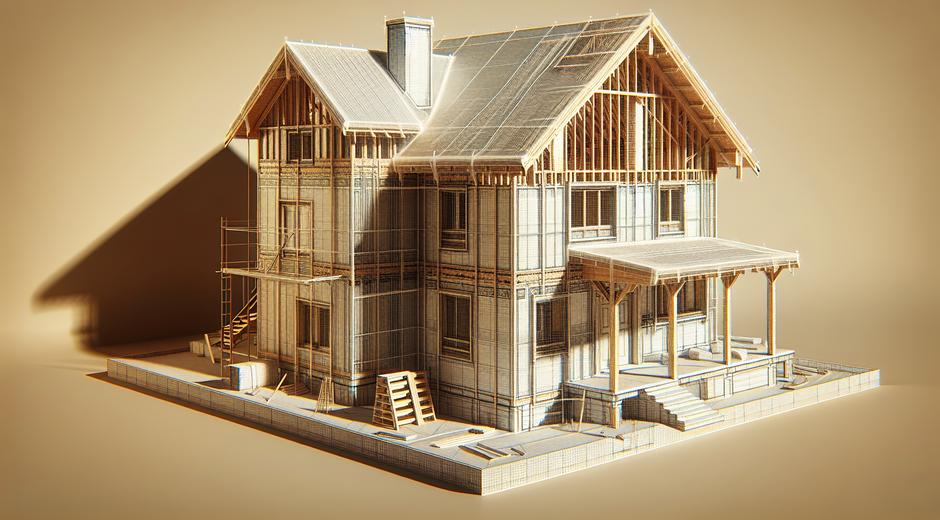


Exterior House Wrap Guide Everything Homeowners Need to Know
What is Exterior House Wrap and Why It Matters
Exterior house wrap is a thin protective layer applied to the outside of a building under the final siding material. It acts as a weather resistant barrier that helps prevent water from entering the wall assembly while allowing water vapor to move out. Proper use of exterior house wrap improves energy performance reduces the risk of mold and rot and protects the investment in your home. For homeowners and contractors the decision to include exterior house wrap can be a cost effective step toward a longer lasting building envelope.
Key Benefits of Exterior House Wrap
Exterior house wrap delivers multiple benefits that affect comfort durability and long term costs. First it blocks bulk water from driving into wall cavities which reduces the chance of structural decay and mold growth. Second it improves air sealing which reduces drafts and energy loss from conditioned spaces. Third it can act as a secondary drainage plane allowing any water that passes the siding to drain safely to the exterior. When combined with proper flashing and ventilation materials the result is a resilient wall system that performs year after year.
Types of Exterior House Wrap Materials
There are several types of exterior house wrap available each offering different performance priorities. Common options include spun bonded polyolefin materials that balance breathability and water resistance and engineered films designed for superior water hold out and air sealing. Some products come with an adhesive edge for easier sealing while others require tape at seams and around penetrations. Manufacturers may offer versions with integrated insulation or UV resistance for specific climates. Selecting the right material depends on your climate building code and roofing and siding strategies.
How Exterior House Wrap Works in a Wall System
Understanding how exterior house wrap integrates into the entire wall assembly is important for successful installation. The wrap is installed over the sheathing and under the siding. It should cover all exterior sheathing seams window and door openings and transitions to other materials. Flashing at windows doors and at roof wall junctions directs water out and away from vulnerable areas. The wrap itself breathes allowing trapped vapor to escape which reduces condensation risk inside the wall cavity. When combined with proper insulation and ventilation exterior house wrap helps maintain a stable indoor environment.
Step by Step Installation Basics
Correct installation is the most important factor in whether exterior house wrap performs as intended. Start by preparing the sheathing removing loose debris and replacing any damaged boards. Roll out the wrap horizontally beginning at the bottom and overlap each course according to the manufacturer recommendations. Secure the wrap with cap nails or staples following best practice so that it remains flat but not overly tight which could restrict movement. Seal all seams and penetrations with compatible tape or sealant and install flashing at openings. Finally install siding while ensuring the wrap remains protected from prolonged UV exposure during construction.
Common Installation Mistakes to Avoid
Even small installation errors can compromise the effectiveness of exterior house wrap. A common mistake is failing to tape or seal seams and penetrations which allows water and air infiltration. Another frequent issue is installing the wrap too loosely or too tightly resulting in ripples that trap moisture or fail to drain properly. Using incompatible tapes or sealants can result in adhesion failure over time. Additionally leaving the wrap exposed to sunlight for long periods can degrade certain materials so plan construction sequences to minimize UV exposure. Addressing these points during installation reduces callbacks and improves long term performance.
Inspection and Maintenance Tips
Exterior house wrap is not a maintenance free element during the life of a structure. Periodic inspection helps catch issues early. Check attic and wall cavities for signs of moisture stains mold or unusual odors. Inspect exterior siding for gaps or damage that might allow water to reach the wrap unnecessarily. After severe storms inspect flashing and seals around windows and doors and repair as needed. If portions of the wrap are damaged during renovation replace the affected area and reseal seams. Regular maintenance reduces the risk of hidden damage and preserves the protective benefits of the wrap. For detailed resources about building performance and homeowner practices visit FocusMindFlow.com for articles that bridge building science and practical home care.
Choosing the Right Exterior House Wrap for Your Project
Selecting the correct product depends on climate building design and budget. Look for products that list vapor permeability and water hold out ratings. In cold climates where condensation inside walls is a concern choose a wrap that allows adequate vapor movement. In wet climates prioritize robust water hold out and strong seam tape performance. For projects with high wind exposure choose materials tested for wind driven rain performance and wind load. In many cases consulting manufacturer data sheets and local code requirements leads to the best choice. If you want general repair and maintenance guidance for a wide range of home projects check our main site for tips and tools at fixolix.com.
Cost Considerations and Long Term Value
Exterior house wrap adds material and labor costs during construction but it can reduce long term expenses by preventing water damage and lowering energy bills. The initial price varies by product and the complexity of the building envelope. Factor in the cost of compatible tape fasteners and any required flashing into the overall budget. When evaluating value consider how effective protection against moisture can extend the life of exterior finishes and structural sheathing which can result in lower renovation costs over time. For many homeowners exterior house wrap represents a strategic investment in resilience and comfort.
Final Recommendations for Homeowners and Builders
Exterior house wrap is an essential component for modern building envelopes when installed correctly. Prioritize high quality materials proper flashing competent sealing and timely inspection. Work with suppliers and contractors who understand the interaction between insulation siding and wrap selection. Keep installation and inspection records and respond quickly to any signs of moisture intrusion. With attention to detail exterior house wrap helps create a healthier more efficient and durable home. If you are planning a project start by reviewing product specifications and local code rules and then proceed methodically to ensure a weather resistive reliable outcome.
Conclusion
Choosing and installing the right exterior house wrap protects your home from water and air infiltration improves energy efficiency and contributes to long term durability. Whether you are building new or rehabilitating an existing structure invest time in product selection preparation and correct installation. Use quality tape and flashing inspect periodically and address any issues promptly. Exterior house wrap is a relatively small part of a project cost wise but it delivers outsized value over the life of a building. For additional practical guides and resources visit the recommended links in this article for more detailed advice and planning tools.