

Basement Floor Drain: The Essential Guide for Every Home
A basement floor drain is a small feature that plays a big role in protecting your home from water damage and mold. Whether you are building a new home or upgrading an existing basement the right drain choice and proper maintenance can save thousands of dollars in repairs and preserve indoor air quality. This guide covers everything you need to know about basement floor drain types materials installation and upkeep so you can make informed decisions and keep your basement dry.
Why a Basement Floor Drain Matters
A basement floor drain is the primary path for excess water to leave your basement floor. Many basements collect water from condensation appliance leaks ground water seepage and heavy rain events. Without an effective drain water can pool cause structural damage and create a breeding ground for mold. Installing and maintaining a reliable floor drain reduces the risk of long term damage and helps keep your home safe.
Common Types of Basement Floor Drain Systems
There are several common drain types used in basements. Each type has specific benefits and ideal use cases. Understanding these differences helps you select a solution that fits your basement layout and budget.
- Standard gravity drain These connect to the home sewer or to a dedicated storm line and rely on gravity to move water away. They are simple and cost effective when slope and connection points allow.
- Sump pump paired drain In areas with high water table or frequent ground water infiltration a sump pump assembly is paired with a pit and floor drain to actively move water out of the basement.
- Trap primer equipped drain A trap primer keeps the P trap filled to prevent sewer gas from entering the basement. This is important in infrequently used drains.
- Linear or trench drain For garages and utility rooms a linear drain along a threshold or at the base of a wall can move larger volumes of water to a collection point.
Materials and Drain Grates
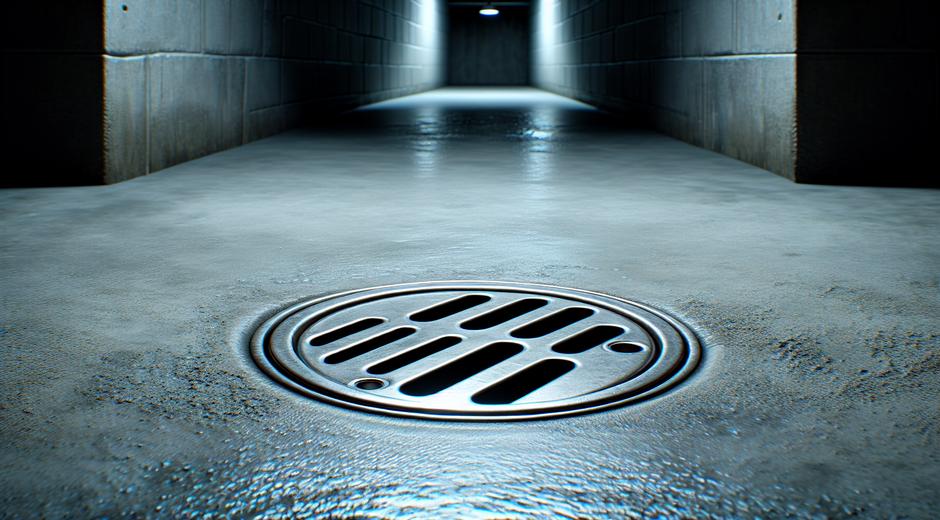
Basement floor drain components are commonly made from cast iron PVC or ABS. Each material has pros and cons related to cost durability and compatibility with local building codes. Drain grates come in a variety of finishes from stainless steel to plastic and tile inset versions that allow a near invisible finish for tiled floors. Choose a grate that supports the expected load and complements the finished floor surface.
How to Size a Basement Floor Drain
Proper sizing is based on expected flow rates the area of the floor that drains and local code requirements. A small utility drain might handle a few gallons per minute while a main basement drain or a trench drain needs a larger capacity. When planning an installation consider both normal household events and worst case scenarios like a washing machine hose failure or heavy inflow from foundation cracks.
Basic Installation Overview
While a licensed plumber should handle most installations you will benefit from understanding the main steps. Typical installation includes cutting a hole in the concrete forming a drain body setting the drain at the correct elevation to ensure proper slope and connecting to the drainage or sewer system. If a sump pump is part of the system the pump basin must be placed below the floor level with a secure discharge line. For homes in areas with potential sewer backflow a backflow prevention device should be included to keep sewer water out of the basement.
Maintenance Tips to Keep Your Drain Functional
Regular maintenance prevents clogs backups and odors. Simple steps include:
- Remove debris from the grate regularly
- Flush the drain with hot water monthly to remove grease and soap buildup
- Pour a safe cleaning solution or enzymatic cleaner periodically to reduce organic deposits
- Inspect the P trap or primer assembly to ensure water seal is intact
- Test the sump pump and backup power source seasonally if one is present
Keeping a small kit with a simple hand auger and a spare grate can make quick work of minor clogs. For more serious blockages or recurring backups consult a professional plumber.
Common Problems and How to Fix Them
Many basement floor drain issues are preventable and straightforward to diagnose. Common problems include slow drainage due to partial clogging foul odors from a dry trap and reverse flow caused by a blocked main sewer. If you notice persistent odors first pour water into the drain to refill the trap. If slow drainage persists try a mechanical auger or call a plumber. For backups that occur during heavy rain or when the municipal system is overloaded a backflow preventer or a relocated discharge may be required.
When to Call a Professional
There are times when expert help is the most cost effective option. If you face repeated backups unexplained wet spots along foundation walls structural movement or visible mold growth call a licensed plumber or a foundation specialist. Professional services can perform camera inspection of the drain line determine whether pipes need repair and recommend long term mitigation strategies. For more resources and to find trusted contractors visit fixolix.com where you can read detailed guides and locate local service providers.
Upgrades That Improve Performance
Modern upgrades can increase the reliability and lifespan of a basement floor drain system. Consider these options:
- An automatic sump pump with battery backup for power outages
- A trap primer to maintain the water seal and prevent sewer gas
- A backflow prevention valve to stop sewer water from entering during municipal system overload
- Corrosion resistant materials for coastal climates
- A grated trench system for rooms that need higher flow capacity
When evaluating upgrades weigh upfront cost against potential repair savings and peace of mind during heavy storms.
Choosing the Right Product and Contractor
Choosing the right drain and installer matters as much as the product itself. Look for contractors who offer clear warranties provide camera inspection services and can present references. Verify that materials conform to local plumbing codes and that the installation will allow for easy future maintenance. If you are comparing products and want a trusted online source for parts and guidance check products and user reviews at Fixolix.com where you can find detailed specifications and buying advice.
Final Checklist Before You Proceed
Before installing or upgrading a basement floor drain run through this checklist:
- Confirm local code requirements for drain connection and backflow prevention
- Decide whether a passive gravity solution or an active sump pump system is needed
- Choose corrosion resistant materials suitable for your climate
- Arrange for a professional inspection if you have foundation cracks or mold concerns
- Plan regular maintenance tasks and seasonal tests for any pump equipment
Conclusion
A properly chosen and maintained basement floor drain protects your property and reduces long term maintenance costs. From selecting the right type to scheduling routine care the steps you take today will keep your basement dry and usable for years. Use the guidance in this article when evaluating options and working with professionals. For additional help product recommendations and contractor listings make fixolix.com one of your first stops during planning and maintenance.