

Backer Rod Guide for Fixing and Sealant Work
What is Backer Rod and Why It Matters
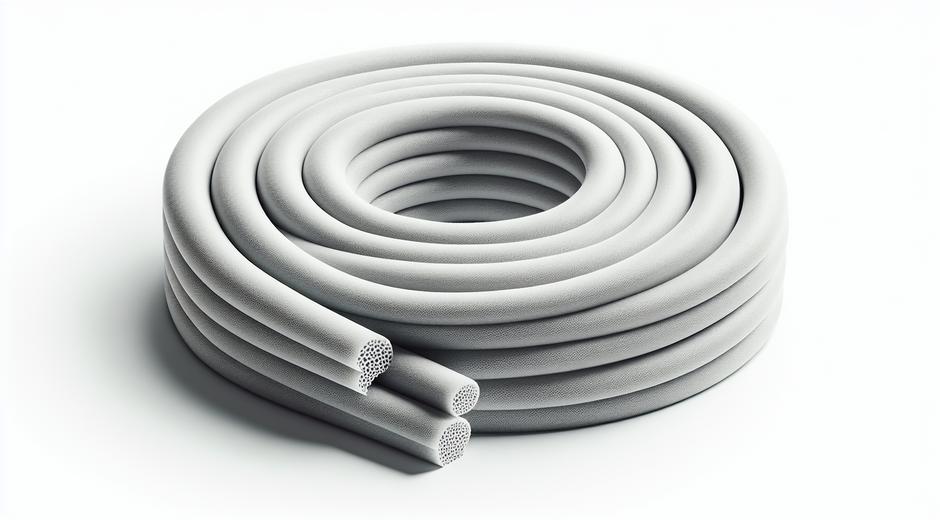
Backer Rod is a flexible foam material used to fill joints before applying sealant. It serves several key roles in construction and repair work. It controls sealant depth which helps the sealant perform better over time. It prevents three sided adhesion that can cause premature failure of sealant. It also provides a backing that shapes the sealant joint so the sealant can move with temperature and structural shifts. For anyone involved in fixing tasks, from home projects to professional contracts, understanding Backer Rod is essential for durable results.
Common Materials and Types
Backer Rod comes in a few common material types. Closed cell foam is non absorbent and resists water and humidity. Open cell foam compresses more easily and is used when drainage or breathability is desired. Some Backer Rods are made from polyethylene foam which offers good memory and recovery after compression. Others are made from polyurethane foam that provides softer compression. Choosing the right material influences how well the sealant bonds and how long the joint will last.
Sizes and How to Choose the Right Size
Backer Rod is available in multiple diameters. The correct diameter is typically slightly larger than the joint width so the rod stays firmly in the joint when compressed. If the Backer Rod is too small it will fall into the cavity and the sealant will not have the intended support. If it is too large it can deform the joint edges or make insertion difficult. As a rule select a Backer Rod that compresses enough to create a snug fit while allowing the sealant to sit at the recommended depth. Proper depth control reduces stress on the sealant and improves movement accommodation.
Key Applications and Use Cases
Backer Rod is used in many fixing scenarios. It is common in joint sealing for concrete slabs, between window frames and walls, in door frames, and in precast panel joints. It is used in both vertical and horizontal joints. For repair work it acts as a filler in cracks that are too wide for caulk alone. In new construction it ensures that sealant thickness is correct and helps the sealant form the ideal shape for flexibility. Homeowners and professionals alike rely on Backer Rod to extend the service life of their sealant work.
Installation Best Practices
Preparation is key before installing Backer Rod. Clean the joint of debris and remove loose material. A dry surface improves adhesion and reduces the risk of trapping moisture. Insert the Backer Rod using a blunt instrument to avoid cutting the foam. The rod should sit at the required depth so that when sealant is applied it forms a concave surface. This shape allows the sealant to elongate and compress with movement. Avoid over compressing the rod as this can stress the surrounding material. Also avoid pushing the rod deeper than needed because that can create gaps behind the sealant.
Compatibility with Sealants
Not all sealants interact the same way with all Backer Rod materials. Polyurethane sealants and butyl sealants typically work well with closed cell Backer Rod. Silicone sealants also pair nicely but check manufacturer recommendations for chemical compatibility. Some solvents or primers can affect certain foam types so always test a small area when working with new product combinations. Using the right Backer Rod improves the performance of the sealant and reduces the frequency of maintenance.
Benefits for Longevity and Cost Effectiveness
Installing Backer Rod offers both technical and economic advantages. By setting the sealant at the correct thickness the product experiences less stress which reduces cracking and separation. This extends the service life of the seal, lowering repair costs over time. Backer Rod also reduces the volume of sealant needed which can cut material costs on large projects. For those sourcing fixing supplies consider checking a reliable catalog for variety and availability at fixolix.com where you can find tools and materials to complete your tasks efficiently.
Environmental Options and Green Choices
There are Backer Rod products designed with sustainability in mind. Recycled foam options and low emission manufacturing processes contribute to a lower environmental impact. When choosing products for projects where ecology matters consider suppliers that list material data and environmental credentials. For green product lines and further information about eco friendly building supplies visit Ecoglobalo.com which highlights options that support reduced waste and safer job site conditions.
Common Mistakes to Avoid
Many failures in sealant joints can be traced to improper Backer Rod use. A frequent mistake is inserting the wrong diameter which either causes the rod to fall into the joint or to over compress the edges. Another error is placing Backer Rod where moisture is trapped which can deteriorate certain foam types. Using a sharp tool to push the rod can cut or tear the foam and reduce its effectiveness. Always follow product guidance and if unsure test a small area first to confirm fit and compatibility.
Maintenance and Inspection
Once installed and sealed, joints should be inspected periodically. Look for signs of seal shrinkage, cracking, or loss of adhesion. If the seal shows wear the underlying Backer Rod may also be compromised. Proper maintenance includes removing failed sealant and Backer Rod before reapplying fresh material. This ensures the new sealant has a clean base and the correct joint depth. Regular inspections help detect problems early and reduce the scope of repairs.
Choosing Suppliers and Ordering Tips
When ordering Backer Rod consider availability in multiple diameters and lengths. Bulk orders often reduce cost per meter but ensure you will use the material within storage life limits. Check that the supplier provides technical data sheets that list compressive properties and compatibility with common sealants. Local distributors and online stores both serve different needs. If you require a wide range of fixing materials and expert guidance browse product choices on a reputable site like the one linked earlier on this page. Good suppliers also offer technical support to help you match Backer Rod to your specific application.
Summary and Final Recommendations
Backer Rod is a simple component with a big impact on the performance of sealant joints. Selecting the right type and size, installing it properly, and matching it with compatible sealants prevents premature failure and reduces maintenance costs. For anyone tasked with fixing or sealing work learning the basics of Backer Rod ensures better outcomes and longer lasting repairs. Follow manufacturer recommendations, plan joint preparation carefully, and choose materials from trusted suppliers to get the best results.
If you need step by step guidance on a specific project consult product data sheets and reach out to supplier technical teams for tailored advice. Proper planning and the right materials make fixing work more reliable and cost effective.