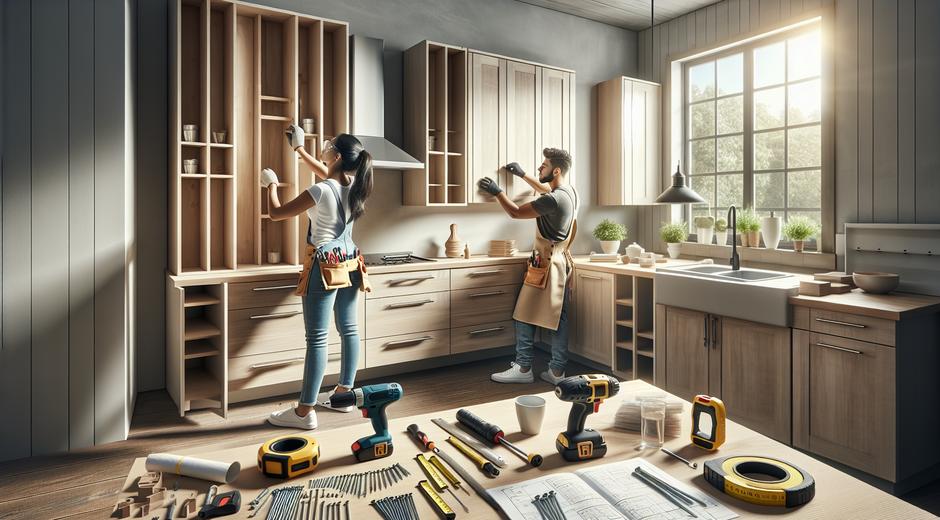


Cabinet installation Guide for Every Home Owner
Cabinet installation is a core home improvement task that can transform storage function and room style in a few hours or a few days depending on the scope. Whether you are replacing old units or fitting new cabinets in a fresh space a clear plan and the right tools will deliver a neat result. This guide covers planning tools material selection common challenges and professional options so you can approach cabinet installation with confidence and avoid costly mistakes.
Why careful planning matters
Good cabinet installation starts long before you pick up a drill. Measuring the space assessing weight loads and thinking through user needs are critical. Accurate measurements prevent gaps and misalignment and they ensure doors close correctly and drawer slides operate smoothly. Consider the location of plumbing electrical outlets and appliances as part of your plan. Also visualize how people will move around in the room and whether doors or drawers will conflict with other fixtures.
Start by sketching the layout and listing each cabinet type by width height and depth. Note the exact floor level because uneven floors require shims and can affect long term stability. If you are looking for more repair and fitting resources visit fixolix.com for clear instructions and tool guides.
Essential tools and materials
Having the right tools makes cabinet installation faster and safer. At minimum you will need a cordless drill with driver bits a level a stud finder a tape measure a carpenter square and a set of screw clamps. A laser level can speed alignment when installing a full run of cabinets. For finishing tasks a trim saw or circular saw and a sander are useful.
Common materials include cabinet screws wood glue shims filler and paint or finish. Use screws rated for cabinet installation and consider longer screws for top rails and mounting to studs. If you are installing wall cabinets use a ledger or temporary support to hold the load while you secure each unit. If you want fresh design samples and style ideas explore creative options at StyleRadarPoint.com.
Types of cabinets and how they affect installation
Cabinets come in ready to install stock units semi custom and fully custom. Stock units are pre built in common sizes and are the fastest to install. Semi custom cabinets offer more size options and moderate customization while custom cabinets are built to exact specifications. For quick projects stock units reduce labor time but may require fillers to address irregular walls. Custom cabinets provide the best fit and often require professional installation to ensure long term performance.
Step by step cabinet installation process
Below is a clear step by step approach that covers both wall and base cabinets. Follow the sequence to avoid re work and ensure consistent alignment.
- Prepare the room Remove old units cover counters and disconnect utilities as needed.
- Locate studs and mark mounting heights Use a stud finder and mark centers Take into account toe kicks and counter height when marking.
- Install a temporary ledger for wall cabinets The ledger supports the weight while you fasten cabinets to studs.
- Assemble cabinets on the floor If cabinets ship unassembled secure internal shelves and backs before lifting.
- Mount the first cabinet Use a level and secure to studs Tighten screws but allow small adjustments.
- Join adjacent cabinets Clamp faces together and use screws through the face frames to connect units Keep join lines tight.
- Install remaining wall cabinets Work from one corner outward and check level often.
- Mount base cabinets Align to layout and shim to level Secure to wall studs and to each other.
- Attach countertops If using stone counters get professional templates and installation For laminate counters install after base units are secure.
- Install doors and drawer fronts Adjust hinges and slides for even gaps and smooth operation.
- Finish with trim and caulking Install toe kick moldings filler strips and apply caulk where cabinets meet walls for a polished look.
Common mistakes and how to avoid them
Many installation problems stem from poor measurement and rushing. Common errors include failing to find studs attempting to mount heavy wall cabinets to drywall alone and not leveling base units. Always locate studs and use appropriate fasteners for the wall type. Another frequent issue is misaligned doors and uneven reveal gaps. Take time to adjust hinges and use shims where necessary. For heavy countertops plan for the weight and use bracket support or professional installation to prevent sag over time.
When to hire a professional
While many home owners complete basic cabinet installation themselves complex tasks often require a pro. Examples include installing heavy stone counters moving gas or water lines electrical work and custom built in units that must match irregular architecture. Professionals bring the skill to handle structural anchoring precise cabinet joins and finishing work that looks seamless. A good installer will also manage timelines coordinate with counter fabricators and ensure warranty compliance.
Cost factors to consider
Cabinet installation cost varies with cabinet type room size and site conditions. Stock units are the most budget friendly option while custom cabinets can increase material and labor cost significantly. Other cost drivers include counter material delivery charges hardware and any additional carpentry such as soffit repair crown molding or appliance modifications. Get multiple estimates when hiring and ask for a breakdown so you can prioritize upgrades that deliver the most value like soft close hinges or solid wood drawers.
Maintenance tips to keep cabinets looking new
After cabinet installation proper care extends life and preserves appearance. Clean regularly with a soft cloth and mild cleaner avoid abrasive pads and harsh chemicals that can strip finish. Tighten screws and hinges periodically inspect for moisture damage and address leaks promptly to prevent swelling and delamination. For painted surfaces touch up chips with matching paint and for wood finishes apply wax or oil as recommended by the manufacturer.
Eco friendly choices and material options
If sustainability matters to you choose cabinets made from certified sustainable wood or use recycled materials. Low volatile organic compound paints and finishes improve indoor air quality. Look for hardware with a long term warranty and consider modular designs that allow doors or drawers to be replaced rather than entire units. Durable construction reduces waste and often saves money over time by avoiding premature replacement.
Final checklist before starting your project
Use this quick checklist to ensure a smooth cabinet installation experience.
- Finalized layout and measurements
- All necessary tools and materials on site
- Delivery timing for cabinets and counters
- Confirmed locations for plumbing and electrical
- Support or help for lifting heavy items
- Permits if required by local code
Conclusion
Cabinet installation can raise both function and value in any room when planned and executed correctly. Whether you choose to install stock units yourself or hire a professional for a full custom job the keys to success are accurate measurement durable fasteners careful leveling and attention to finishing details. Use the guidance in this article to plan your project and consult reliable resources for specific techniques and design inspiration. For helpful guides tools and home repair tips visit fixolix.com and browse trending style ideas at StyleRadarPoint.com.