

Ceiling Battens Ultimate Guide to Selection Installation and Maintenance
What Are Ceiling Battens and Why They Matter
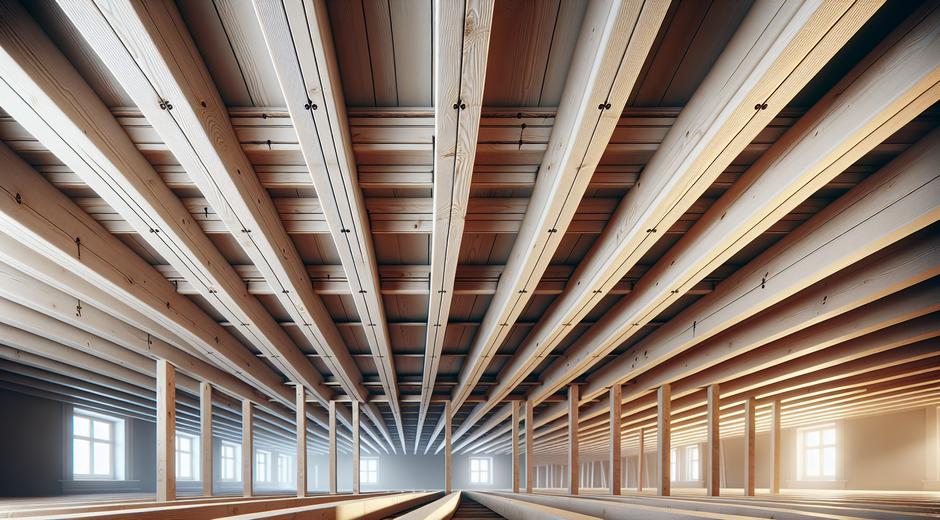
Ceiling Battens are long narrow strips of timber metal or composite material used to create a level grid for fixing ceiling finishes such as plasterboard tongue and groove boards or decorative panels. They provide a stable substrate that allows for straight lines better sound performance and easier installation of services such as lighting and ventilation. Using the right Ceiling Battens can prevent sagging reduce noise transfer and extend the life of a ceiling finish.
Key Benefits of Using Ceiling Battens
Installing Ceiling Battens offers several advantages. First they help create a uniform plane where joists are uneven or where old ceilings have settled. Second they allow for simple routing of electrical cables and pipes above the ceiling finish without compromising structural members. Third they improve acoustic performance when combined with insulation or resilient fixing methods. Finally they provide a straightforward way to create a ventilated cavity for thermal management in loft conversions or flat roof interiors.
Common Materials and Sizes
Ceiling Battens come in a range of materials each with its pros and cons. Timber battens are cost effective easy to trim and widely available. Choose seasoned treated softwood for areas prone to moisture. Metal battens offer excellent straightness and durability and they are ideal where fire resistance or insect resistance is required. Composite battens made from recycled materials or engineered wood provide stability in changing climates.
Sizes vary depending on the ceiling finish and the gap needed for services. Typical thickness ranges from 18 mm to 50 mm with widths that match standard board edges. Always check manufacturer guidance for the product you plan to install and allow for plaster or jointing fills when calculating final heights.
How to Plan and Measure for Ceiling Battens
Good planning saves time and reduces waste. Start by mapping the joist layout and locating any structural beams or obstacles. Measure the room length and width and mark the position of the main support battens that will be fixed to joists. Decide on battens spacing based on the ceiling finish for example plasterboard ceilings often require 300 mm to 600 mm spacing depending on board thickness and orientation.
When performing measurements account for door frames duct runs and the position of light fittings. If you intend to add insulation place it between the joists before fixing the battens so the insulation sits securely and does not create voids that could lead to thermal loss.
Step by Step Installation Guide
Follow a clear step by step approach to ensure the Ceiling Battens perform as expected. First ensure the area is safe and power to circuits is isolated for any work near wiring. Second install the main perimeter batten around the room to set the finished ceiling level. Use a spirit level or laser level to transfer heights around the perimeter.
Third fix intermediate battens directly to the joists using appropriate screws or nails ensuring that each batten is aligned and level with the perimeter batten. Check levels frequently and shim small gaps with timber wedges rather than forcing the batten out of line. Fourth install insulation or services in the cavity. Fifth fix the ceiling finish to the battens following the board maker recommendations for fastener type and spacing.
Fixing Methods and Fasteners
Selecting the correct fastener is critical. For timber battens use galvanised screws to prevent corrosion and to secure a tight connection. In high humidity areas consider stainless steel screws. When fixing metal battens use self tapping screws designed for metal to metal connections. For concrete or masonry joists use suitable plugs or masonry anchors with screws long enough to penetrate the substrate.
Resilient or acoustic bars are a specialist fixing that reduces sound transfer between rooms. They work by decoupling the ceiling finish from the structure creating a gap that dampens vibration. If sound control is a priority speak to a specialist supplier to match the fixings to the required performance level.
Insulation and Acoustic Considerations
Ceiling Battens create a cavity that can be used to improve thermal and acoustic performance. Mineral wool insulation fits neatly between joists while leaving space for battens. For better acoustic results combine insulation with resilient fixings or install mass loaded vinyl beneath the finish boards. Ensure that any insulation does not compress battens or interfere with ventilation paths required to prevent condensation build up.
Common Mistakes and How to Avoid Them
Avoiding common errors will result in a long lasting ceiling. One frequent mistake is failing to allow for board thickness when setting the perimeter batten height. This leads to uneven finishes and costly rework. Another issue is over tightening fasteners which can bow thin battens. Use careful pressure and check for straightness regularly. Finally do not forget to plan for service access points and lighting cutouts before finishing the ceiling so you do not need to remove large sections later.
Maintenance Tips for Long Lasting Performance
Routine checks help keep a ceiling in good condition. Inspect for signs of moisture staining movement or sagging. Address any roof leaks or plumbing issues promptly to prevent damage to battens and the board finish. If a batten shows rot or corrosion replace it rather than trying to patch the surface finish as this preserves the structural integrity of the ceiling.
Where to Buy Ceiling Battens and Cost Considerations
Quality and supplier reputation matter when buying Ceiling Battens. Local timber merchants building material retailers and specialist online stores all supply product ranges that suit different budgets. For a trusted resource that covers a wide range of fixing tools materials and installation guides visit fixolix.com where you can compare materials and read expert advice. Prices vary with material type and length so consider buying a little more than the exact calculated amount to allow for cuts and mistakes.
For projects that require financing or budgeting resources consider seeking guidance on cost control and loan options. A trusted information site such as FinanceWorldHub.com can provide articles on how to plan budgets find competitive financing and manage cash flow for renovation projects.
Safety and Compliance
Always follow local building codes and standards when installing Ceiling Battens. In many cases the method of fixing the battens the type of fire rated board and the insulation used will affect compliance. When in doubt consult a qualified building inspector or a licensed contractor. Using certified materials and fasteners will also help ensure compliance and reduce liability when the work is inspected or handed over to a client.
Choosing a Contractor or Doing It Yourself
Ceiling Batten installation can be a manageable DIY task for those with basic carpentry skills but it requires accurate measuring safe working at height and an understanding of structural elements. For large rooms high ceilings or projects with complex services hiring a contractor saves time and ensures professional finish quality. Ask for references view past work and request a detailed quote so you can compare value rather than price alone.
Final Thoughts
Ceiling Battens are a practical key element in creating straight durable and service friendly ceilings. Choosing the right material spacing and fixing method improves thermal and acoustic comfort while reducing future maintenance. Whether you plan to carry out the work yourself or hire a professional take the time to plan measure and source quality materials. For additional resources product guides and practical tips visit the links provided earlier and take a methodical approach to achieve a professional finish.