

Ceiling Insulation: Ultimate Guide to Comfort Efficiency and Savings
Ceiling Insulation is one of the most effective upgrades a homeowner can make to improve indoor comfort and reduce energy costs. Whether you live in a climate with cold winters or hot summers the right ceiling insulation keeps heat where you want it and blocks heat where you do not want it. This guide explains why ceiling insulation matters which materials work best how to judge the right level of insulation and what to expect from professional installation and maintenance.
Why Ceiling Insulation Matters
Heat moves from warm zones to cool zones. In winter heat rises into an attic and escapes through an under insulated ceiling. In summer a hot roof can transfer heat into living spaces forcing cooling systems to work harder. Proper Ceiling Insulation reduces heat transfer so you need less heating and cooling. The result is lower utility bills better temperature stability and less wear on HVAC systems. A well insulated ceiling also helps control moisture using fewer resources and improving indoor air quality.
Benefits You Can Expect
Installing effective Ceiling Insulation delivers multiple benefits beyond energy savings. You will notice more consistent room temperatures fewer cold drafts and quieter spaces as insulation also dampens sound. Over time insulation pays back its cost through lower monthly energy bills and in many regions can increase property value. For those who work on home improvement projects on a budget it is one of the highest impact upgrades you can make. If you want guidance and project ideas visit fixolix.com for practical tips and resources to plan the job from start to finish.
Common Types of Ceiling Insulation
Choosing the right material depends on your budget attic access and performance goals. Here are the most common options
Fiberglass Batts
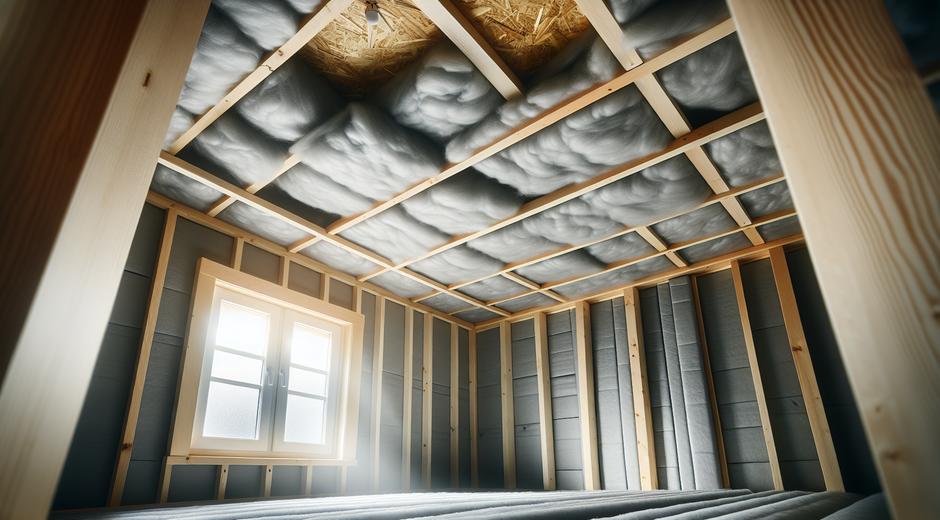
Fiberglass batts are pre cut panels that fit between joists. They are cost effective and available in many thicknesses. Proper installation requires careful fitting around obstructions to avoid gaps that reduce performance.
Loose Fill Fiberglass or Cellulose
Loose fill allows easy coverage in irregular spaces and can be blown in to cover joists and cavities. Cellulose is made from recycled paper treated for fire resistance and offers excellent thermal and acoustic performance. Loose fill is a good choice for retrofit work where adding batts is difficult.
Spray Foam
Spray foam creates an airtight seal and provides both insulation and air barrier in one application. It is often used when controlling air leakage is a primary goal. Spray foam can be more expensive but offers high performance and long life.
Rigid Foam Panels
Rigid panels can be installed on the attic floor or under roof sheathing. They deliver high insulation value per inch and are often used in new construction or where space is limited.
R Values and How Much Insulation You Need
R value measures resistance to heat flow. Higher R value means better insulating performance. The right R value depends on climate region and building design. Cold climates require higher R values to limit heat loss in winter while warm climates gain from insulation that reduces solar heat in summer. Local codes and energy programs provide recommended R values for ceilings and attics. When planning an upgrade consider both current performance and the ease of adding insulation in the future.
Planning an Installation
Preparation is key. Start with an attic inspection to check existing insulation levels ventilation and any signs of moisture pests or structural issues. Look for gaps around plumbing vents chimneys and recessed lighting. Address air leaks and control moisture sources before adding insulation because insulation slows air flow but will not stop leaks that bring in warm moist air. Ventilation must remain adequate to prevent moisture build up in the roof space.
If you plan to DIY gather safety gear including gloves eye protection and a mask. Some materials irritate skin and lungs so proper protection matters. For large or complex projects consider a professional installer to ensure continuous coverage and correct sealing around obstacles.
Installation Tips for Best Results
Follow these practical rules to maximize the value of Ceiling Insulation
Seal air leaks first
Use caulk foam or weatherstripping to close gaps. Insulation works best when air movement is minimized.
Maintain ventilation
Keep soffit and ridge vents clear so the attic can breathe and moisture can escape.
Avoid compressing insulation
Compressed batts lose insulating value so install them at full thickness and avoid walking across them after placement.
Protect recessed lighting and chimneys
Keep clearance for heat producing fixtures or use airtight rated fixtures to avoid fire risk.
Cost and Payback
Costs vary by material and project size. Fiberglass batts and loose fill typically cost less per square foot while spray foam and rigid panels cost more. The payback period depends on energy prices local climate and how much air leakage existed prior to installation. Many homeowners see measurable savings in the first heating or cooling season. Government and local utility incentives can lower upfront cost and improve payback. When evaluating bids get itemized cost estimates and ask for projected energy savings so you can compare options fairly.
Environmental and Health Considerations
Insulation contributes to reducing energy consumption and associated emissions. Materials differ in environmental profile. Cellulose uses recycled content and often has a lower embodied energy than synthetic foams. For customers who value sustainable choices consider suppliers and products with transparent sourcing and safety data. For eco friendly insulation options check manufacturers and product lines at Ecoglobalo.com for materials that balance performance with environmental concerns.
When to Hire a Professional
Some projects are best left to trained installers. If your attic has electrical work HVAC ducts or signs of structural or moisture damage hire a professional. Pros ensure proper air sealing safe handling of materials and correct depth and coverage. Licensed contractors can also advise on ventilation upgrades and provide documentation for rebates and insurance purposes. When obtaining quotes ask about warranty coverage and post installation inspection to confirm performance.
Maintenance and Long Term Performance
Insulation is low maintenance but periodic checks help preserve performance. Inspect the attic yearly for signs of moisture pest activity or displaced insulation. Replace or add material where settling has reduced coverage. Maintain ventilation and keep storage off the attic floor to avoid compressing insulation. Small repairs now prevent larger energy losses in the future.
Final Thoughts
Ceiling Insulation is a practical targeted upgrade with clear benefits for comfort energy costs and home resilience. By selecting the right material preparing the space and following installation best practices you can ensure long lasting results. Whether you choose a DIY approach or hire a professional remember that good air sealing ventilation and correct R value are the keys to success. For detailed project guides materials and professional resources explore trusted home improvement sites and supplier pages to make informed choices.