

Drywall Fasteners
Drywall Fasteners are a fundamental component in any interior construction or repair project. Choosing the right fastener affects speed of installation durability of the wall assembly and the long term appearance of finished surfaces. This guide covers types of drywall fasteners selection criteria installation tips and common mistakes to avoid. Whether you are a professional tradesperson or a weekend home renovator this article will help you make informed choices and achieve reliable results.
What Are Drywall Fasteners and Why They Matter
Drywall Fasteners are hardware items used to attach gypsum board to a framing substrate such as wood studs or metal studs. They include screws nails and specialty anchors designed to provide secure holding power without damaging the board. The right fastener ensures the board sits flush minimizes the need for repair and prevents cracks in joint compound or tape over time. Proper fastener selection also reduces the likelihood of nail pops or screw failures that can disrupt paint and texture finishes.
Common Types of Drywall Fasteners
Understanding the most common categories helps narrow down choices for specific applications.
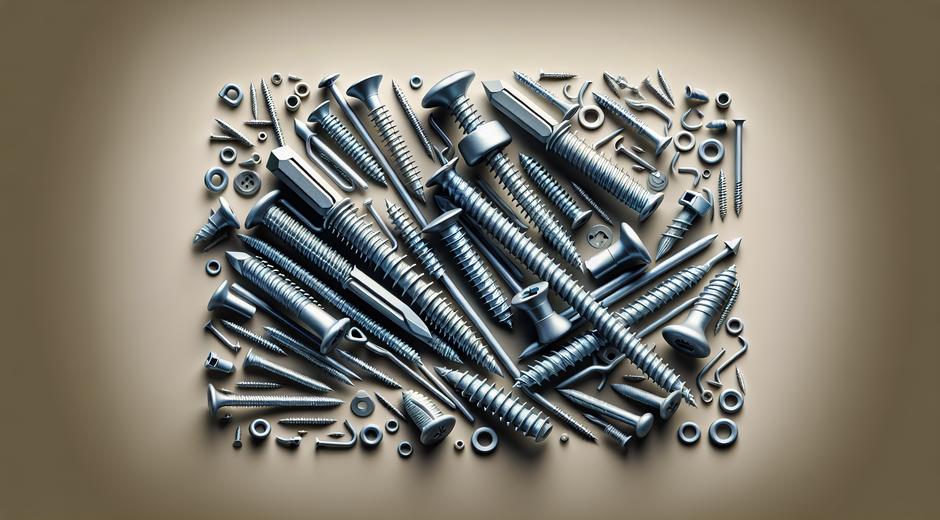
Drywall screws: These are the most used fasteners for gypsum board. They come in coarse thread for wood studs and fine thread for metal studs. The head profile is usually bugle shaped to allow the screw to set below the paper surface without tearing it.
Drywall nails: Smooth shank nails and ring shank nails are still used in some installations. Ring shank nails offer improved pull out resistance compared to smooth nails but nails require careful setting so the head does not break the surface paper.
Anchors: When fastening to hollow areas or for attaching fixtures to finished drywall anchors offer a secure solution. Options include plastic expansion anchors threaded anchors and toggle style anchors. Choose based on load requirements and ease of installation.
Self drilling fasteners: For metal stud work self drilling fasteners save time because they create their own pilot hole. Use the correct thread type for the metal gauge in your framing.
How to Choose the Right Drywall Fasteners
Selecting the appropriate fastener requires assessing the substrate the load the finish and the working environment. Key factors to evaluate include:
Substrate type: Wood framing favors coarse thread screws while fine thread screws are better for metal framing. For light gauge metal studs use self drilling fasteners designed for that thickness.
Board thickness: Thicker boards may need longer fasteners to reach secure substrate penetration while softer boards may need closer fastener spacing.
Load: For hanging shelving cabinets or heavy fixtures choose anchors or structural fasteners rated for the expected load. For standard wall panels use common drywall screws or nails.
Environment: In areas with moisture such as bathrooms or basements use corrosion resistant fasteners often coated or made from stainless material.
Installation Best Practices for Durable Results
Proper installation technique is as important as choosing the correct fastener. Follow these practical tips to avoid common defects.
Spacing: Maintain consistent fastener spacing to prevent joint movement and finish failure. Typical spacing is closer to joints and corners and slightly wider in the field of the board.
Depth control: Set screw heads just below the surface so the paper stays intact. Over driving weakens the board and under driving reduces holding power. Use a clutch setting on an electric driver to maintain consistent depth.
Staggering: Stagger fasteners near seams to distribute stress and reduce the chance of cracking along joints.
Pre drilling when needed: For very hard materials or thin metal studs pre drill to reduce stress on the board and to ensure precise placement of the fastener.
Tools That Make Installation Faster and Safer
Right tools improve speed and reduce rework. A few essentials include:
Drywall screw gun or collated screw system: These tools speed repetitive work and control driving depth without damage to the board.
Variable clutch drill driver: Offers depth control and reduces the risk of over driving.
Tape measure and chalk line: For straight fastener lines and consistent spacing.
Utility knife and mud pan: For finishing tasks and cleaning up after fastening.
Common Mistakes and How to Avoid Them
Avoid these frequent errors that lead to poor long term performance.
Over driving: Screws driven too deep tear the paper face and weaken holding strength. Adjust driver clutch and practice on scrap board.
Wrong thread choice: Using fine thread screws in wood reduces grip. Match thread to substrate for best results.
Ignoring corrosion resistance: In damp areas use coated or stainless fasteners to prevent rust staining and failure.
Incorrect spacing: Too wide spacing allows board movement that cracks the finish. Follow local code or manufacturer guidance on maximum spacing.
Removal Repair and Replacement of Fasteners
Fastener removal and repair is often needed during remodels. When removing screws use a driver bit that fits the head to avoid stripping. Replace damaged fasteners with the same type and size or an upgraded corrosion resistant option. For holes left in the board use patching compound and tape following standard taping and finishing practice to restore the surface before painting.
Buying Guide and Where to Learn More
When shopping for drywall fasteners buy from reputable brands and check product specifications for length coating and thread profile. Coated screws provide excellent corrosion resistance for interior use while stainless options are best for high moisture locations. If you prefer consolidated resources and project guides visit fixolix.com for articles tool recommendations and troubleshooting tips tailored to a wide range of fixing projects.
For product reviews and accessory recommendations consider trusted review sites that test fasteners in real conditions. One of our trusted partners for insights on tools and accessories is GamingNewsHead.com where you can find hands on reviews and comparisons that help when selecting fastener systems and power drive options.
Final Checklist for Drywall Fastener Success
Use this quick checklist before you start any drywall installation or repair job.
Confirm substrate type and choose correct thread profile. Select length that achieves proper embedment. Verify corrosion resistance suitable for the environment. Set up tools with depth control. Mark fastener lines and maintain consistent spacing. Inspect installed fasteners for proper depth before taping. Follow manufacturer and code guidance for spacing and load bearing details.
Understanding Drywall Fasteners and following correct procedures saves time reduces callbacks and improves finished results. With proper selection and installation your drywall will remain secure and maintain a clean finish for years to come.