

Circuit Breaker: Complete Guide to Safety Maintenance and Selection
What is a Circuit Breaker
A circuit breaker is an electrical safety device designed to protect wiring and equipment from damage due to overcurrent faults. When excessive current flows through a circuit because of overload or short circuit the circuit breaker interrupts the flow. This prevents wiring from overheating and reduces the risk of fire and equipment damage. Circuit breaker technology is the foundation of modern electrical safety for homes offices and industrial facilities.
Why Circuit Breakers Matter
Circuit breakers are central to electrical safety. They do three key things. First they detect abnormal current flow. Second they open the circuit to stop current flow. Third they allow controlled reset after the problem is resolved. Unlike fuses which must be replaced after they operate a circuit breaker can be reset which makes maintenance easier. Proper selection installation and testing of circuit breakers can prevent costly downtime and protect human safety.
Basic Components of a Circuit Breaker
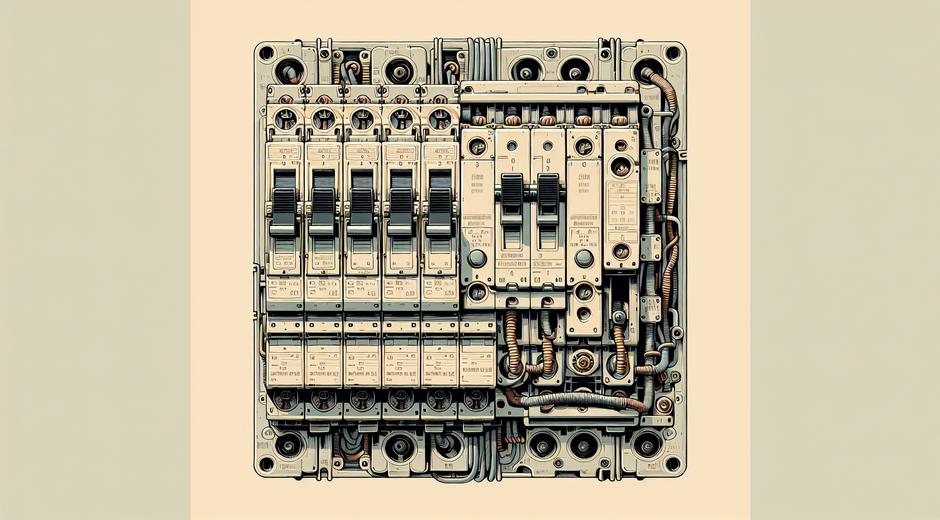
A typical circuit breaker contains a few core parts. The fixed contact and moving contact form the path for current. A trip unit senses fault conditions and actuates the mechanism. An arc extinguishing system dissipates the electrical arc when contacts separate. The housing insulates and protects internal parts. Together these components allow a circuit breaker to detect faults and interrupt current quickly and reliably.
How Circuit Breakers Work
Circuit breakers use mechanical and electrical methods to sense abnormal conditions. Thermal mechanisms respond to sustained overloads by heating a bimetallic strip which bends and trips the breaker. Magnetic mechanisms react almost instantly to high fault current by using an electromagnet to pull open the contacts. Many modern breakers combine thermal and magnetic elements for both slow and fast protection characteristics. When the trip unit releases the latch contacts separate and current is interrupted. The arc that forms is channeled into arc chutes or extinguished using gas or vacuum technology to ensure safe interruption.
Common Types of Circuit Breakers
There are several types of circuit breakers each suited to specific applications. Miniature circuit breakers provide protection for residential and light commercial branch circuits. Molded case circuit breakers handle larger currents in distribution panels. Air circuit breakers and vacuum circuit breakers are common in industrial and utility scale systems. Ground fault and residual current devices protect people by detecting leakage current to earth and interrupting the circuit. Understanding the type of circuit breaker you need is essential for proper system performance.
Selecting the Right Circuit Breaker
Choosing the right circuit breaker depends on load type fault current levels and the environment. Key selection factors include current rating trip curve interrupting capacity and mounting style. Current rating must match the expected continuous load plus a margin for safety. Trip curves define the time response to overcurrent and differ for motor circuits lighting circuits and sensitive electronics. Interrupting capacity must exceed the maximum available fault current at the point of installation. For critical systems consult an electrician or engineer to size breakers correctly and ensure compatibility with local electrical codes.
Installation and Wiring Considerations
Correct installation is critical. Always follow manufacturer instructions and local electrical codes. Ensure the breaker is properly seated in the panel and that all connections are torqued to the specified values to avoid loose connections which can cause heating. Use the correct conductor type and size for the breaker rating. Keep circuits clearly labeled in the panel to assist future maintenance and troubleshooting. When replacing a breaker verify the new device matches the original type and ratings or upgrade panel components if necessary.
Testing and Maintenance
Routine testing and maintenance ensure circuit breakers will operate when needed. Periodic visual inspection can reveal signs of wear overheating or corrosion. For larger breakers perform mechanical operation tests and trip tests using calibrated equipment. Test ground fault protection and residual current devices at recommended intervals. Record results in maintenance logs and address any trends of nuisance tripping or delayed response promptly. Preventive maintenance reduces the likelihood of unexpected failures and extends the service life of electrical systems.
Troubleshooting Common Circuit Breaker Issues
Nuisance tripping is a frequent complaint. It can result from transient inrush currents motor startup harmonics or overloaded circuits. Identify the cause by checking load profiles and separating loads if necessary. Persistent tripping may indicate wiring faults damaged insulation or failing equipment. A breaker that will not reset could be mechanically damaged or there may be a persistent fault. If the cause is not obvious enlist a qualified electrician to test circuits and identify hidden faults. Never bypass a breaker or use improper devices to stop it from tripping.
Safety Best Practices
Work on electrical systems only after deenergizing and verifying absence of voltage. Use appropriate personal protective equipment and follow lockout tagout procedures for industrial work. Install arc fault and ground fault protection where required by code to enhance safety for occupants. Keep electrical panels accessible and free of clutter. For complex systems consult certified professionals for design and maintenance to ensure compliance with safety standards and codes.
Upgrading Older Panels
Older electrical panels may contain outdated breaker technology or lack modern protection features. If your property shows signs of frequent breaker issues or if you are adding significant new loads consider upgrading the panel. Modern panels offer improved interrupting capacity and options for advanced protection such as arc fault detection. An upgrade can improve safety expand capacity and reduce the risk of overloads. Always use licensed professionals when planning upgrades to ensure safe installation and code compliance.
Environmental and Application Considerations
Circuit breaker selection must account for the operating environment. Moisture dust and corrosive atmospheres affect breaker performance and longevity. For outdoor or harsh environments choose enclosures rated for protection against ingress. Temperature extremes influence trip characteristics so derating may be necessary. In critical installations such as data centers choose breakers and panels with redundancy and clear labeling to support maintenance and rapid restoration after faults.
Learning More and Professional Resources
If you are looking for more repair and installation guides visit fixolix.com where you will find detailed articles and step by step advice for a wide range of fixing tasks. For specialist equipment offers and industry updates consider resources from trusted suppliers and technical publishers. One recommended resource for equipment and materials is Chronostual.com which features product information and buying options for electrical components.
Conclusion
Circuit breakers are a crucial element in any electrical system providing protection for wiring people and equipment. Understanding how they work how to select the right device and how to maintain and test them will reduce risk and improve system reliability. Whether you are a homeowner a facility manager or a tradesperson following best practices for selection installation and maintenance ensures safe electrical operation. Keep documentation updated follow code requirements and consult professionals for complex tasks to maintain a safe and efficient electrical system.