

Concrete Footings: Essential Guide to Strong Foundations
What Are Concrete Footings and Why They Matter
Concrete footings are the unseen workhorses of any structure. They transfer building loads to the soil below and prevent settling that can lead to cracks and structural failure. Whether you are erecting a small garden wall or a substantial building, understanding concrete footings helps you design a base that will support the intended loads for many years. For practical advice on repair and installation methods visit fixolix.com where you will find guidance for a wide range of fixing tasks.
Types of Concrete Footings
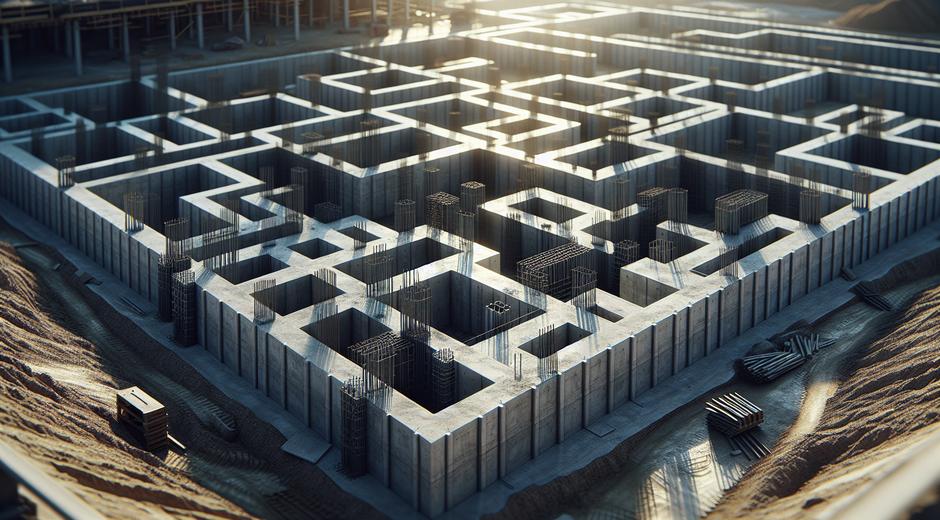
Several types of concrete footings are used depending on soil conditions load size and the type of structure. The most common are strip footings pad footings and isolated footings. Strip footings support walls and continuous loads while pad footings are used under columns to spread concentrated loads. Isolated footings combine with columns and beams to create a stable support system. Choosing the correct type is essential to avoid excessive movement and uneven settlement.
Soil Evaluation and Site Preparation
Before pouring concrete footings a proper soil evaluation is required. Soil bearing capacity determines the size and depth of footings. A compacted stable base offers better performance than loose fill. If you encounter soft organic soils you may need soil replacement deeper footings or a different foundation system. Always excavate to sound material and remove any topsoil roots or debris. Good site preparation reduces the risk of future problems and ensures a durable connection between footing and ground.
Design Considerations for Concrete Footings
Designing concrete footings involves calculating loads soil bearing capacity and environmental factors such as frost depth and groundwater. Footings must be sized so the bearing pressure does not exceed soil capacity. Depth must extend below the frost line in cold climates to prevent frost heave. Reinforcement with steel rebar improves tensile strength and controls cracking. A qualified engineer should review designs for structures that carry significant loads or that are located on challenging soils.
Reinforcement and Reinforcing Techniques
Concrete is strong in compression but weak in tension. That is why rebar is placed in footings to resist bending and tensile forces. Typical reinforcement includes longitudinal and transverse bars tied together to form a cage. Proper cover between rebar and the outside of the concrete prevents corrosion and ensures long term durability. For small projects wire mesh may suffice but for most load bearing applications rebar is recommended. When in doubt follow local building codes for minimum reinforcement requirements.
Forms and Pouring Best Practices
Concrete footings must be formed to maintain shape during pour and cure. Use rigid straight forms that are well braced and level. Ensure the base is compacted and free of standing water. When pouring work methodically to avoid cold joints and consolidate the concrete to eliminate voids. Vibrators or rodding can help settle the mixture around rebar and into corners of the form. Avoid overworking the surface which can lead to weak laitance. Proper finishing allows the footing to bond well to the walls or columns above.
Curing Time and Protection
After pouring footings proper curing is critical to reach design strength. Concrete gains strength as it hydrates and this process takes days to weeks depending on mix and temperature. Keep the concrete moist during the first week by covering with wet burlap or plastic or by applying a curing compound. Protect fresh concrete from freezing or extreme heat which can impair strength. Curing is often overlooked but is one of the most important steps to ensure that footings perform as expected over their service life.
Inspection and Common Issues
Inspecting footings before pouring and after curing helps catch issues early. Look for correct dimensions proper reinforcement placement and adequate depth. Common problems include under sizing insufficient reinforcement poor compaction and water infiltration. Cracking can result from shrinkage thermal effects or settlement. Many repairs are possible if addressed early for example epoxy injection can seal smaller cracks while underpinning methods can stabilize settled foundations. If you need property specific support or further guidance consider consulting a specialist like MetroPropertyHomes.com for help on design and repair options.
Maintenance and Long Term Care
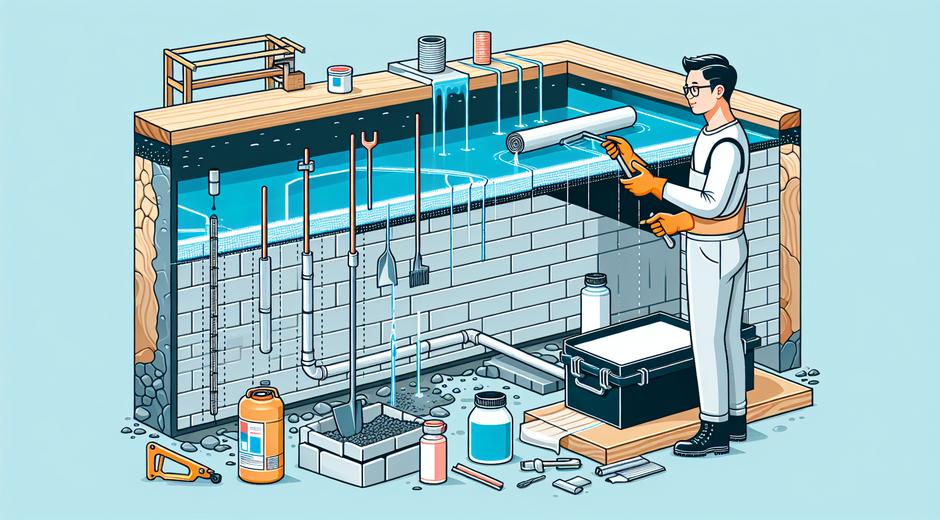
While footings are built to last periodic inspection and maintenance help prolong life. Ensure drainage moves water away from foundations and that landscaping does not direct water toward the base of structures. Repair cracks promptly and address any signs of movement such as uneven floors or doors that do not close properly. Keep plant roots away from foundation areas to prevent undermining. Regular attention prevents small problems from becoming large expensive repairs.
Choosing Materials and Mix Design
Select concrete mixes with the appropriate strength for the intended load. Standard mixes for footings commonly range from medium to high strength depending on application. Use low shrinkage aggregates and control the water content to maintain desired workability without compromising final strength. Admixtures can enhance properties such as freeze thaw resistance or accelerate curing in cool weather. When ordering concrete include project details to ensure the supplier recommends an appropriate mix.
Cost Factors and Planning
Costs for concrete footings vary with size depth reinforcement complexity and site access. Excavation and soil removal add to expense especially when rock or difficult soil layers are present. Labor and formwork are significant cost items for on site pours while prefabricated options may offer savings in some cases. Budget for inspection and contingency for unexpected site conditions to avoid project delays. Proper planning before work begins streamlines the process and reduces the chance of costly changes.
Final Checklist Before You Build
Before starting installation confirm the following items. Verify engineer or code approvals where required. Check that soil bearing capacity information is available. Ensure all materials including concrete rebar and forms are on site. Confirm that weather conditions are suitable for pouring and that curing protection is planned. Prepare for adequate drainage and erosion control. A careful checklist improves outcomes and ensures a stable foundation for the structure above.
Conclusion
Concrete footings form the foundation of building stability and longevity. Proper soil evaluation design reinforcement forming pouring and curing all play essential roles in creating a reliable footing system. Regular inspection and simple maintenance practices protect the investment and prevent more costly repairs. For hands on tips and tools for fixing and building visit fixolix.com or connect with trusted partners such as MetroPropertyHomes.com for project specific guidance. With correct planning and execution your concrete footings will support safe stable structures for many years to come.