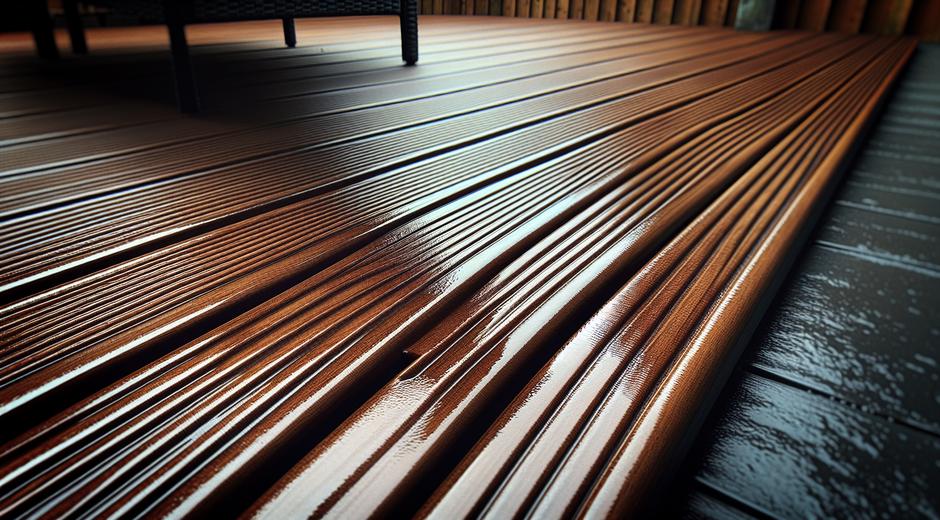


Deck Coating: The Complete Guide to Protect and Beautify Your Outdoor Decks
Why Deck Coating Matters
Deck coating plays a vital role in preserving the structure and appearance of outdoor decks. Exposure to sun rain foot traffic and temperature swings wears down wood and composite surfaces over time. A proper deck coating provides a protective barrier that repels water prevents staining reduces splintering and improves slip resistance. Investing in a quality deck coating extends the life of your deck and enhances curb appeal which boosts the value of your property.
Types of Deck Coating
Choosing the right type of deck coating depends on the material of your deck the climate and the look you want. Common categories include clear sealers which protect while retaining natural grain stain style coatings that add color and highlight texture and solid finish coatings which offer the highest level of UV protection and waterproofing. There are also specialized elastomeric coatings that bridge small cracks and flexible polymer coatings that allow for movement without cracking.
How to Choose the Right Deck Coating
First identify the deck material. Pressure treated wood natural hardwood composite materials and concrete each have distinct needs. Consider these factors when selecting a deck coating:
Surface condition. If the deck has deep stains rot or loose boards address those before coating. Climate. In areas with heavy rainfall prioritize waterproof breathable coatings. In hot sunny climates choose a coating with strong UV protection. Foot traffic. High traffic areas benefit from slip resistant and high abrasion resistant finishes. Aesthetic goals. Decide if you want to maintain the natural look or change color. Budget. Compare upfront cost to expected lifespan and maintenance intervals.
Preparation Steps Before Applying Deck Coating
Preparation is the most important phase for successful deck coating. Proper prep ensures adhesion durability and a uniform finish. Follow these steps for the best results:
Clean the surface thoroughly. Remove dirt algae and mildew with a deck cleaner or oxygen based bleach. Rinse completely and allow the deck to dry for at least 24 hours depending on weather. Repair any structural damage. Replace rotted boards secure loose fasteners and sand rough areas. Strip old failing coatings. If previous coatings are peeling or heavily weathered they must be removed or sanded to provide a sound substrate. Test for moisture. New builds or decks recently exposed to rain should be checked for moisture to avoid trapping water under the coating. Use a moisture meter to confirm acceptable levels. Prime porous surfaces. Some substrates benefit from a primer to improve adhesion and reduce the number of finish coats required.
Application Methods for Deck Coating
The application technique affects the appearance performance and speed of the job. Choose one of these common methods based on the coating type and surface area.
Brush and roller. Ideal for small jobs cracks and tight spaces. Rollers speed up work on wide boards while brushes provide control along edges and fasteners. Spray applications. Airless sprayers deliver a smooth uniform coat and work well for large decks. Follow up with a back roll to ensure even coverage and to knock down any surface texture from overspray. Multiple thin coats. Applying two or more thin coats delivers better adhesion and longevity than one thick coat. Follow manufacturer recommended dry times between coats. Coverage rate. Read the product technical sheet to determine how much area a gallon will cover and plan accordingly.
Maintenance Tips to Extend Life of Deck Coating
Even the best deck coating benefits from routine maintenance. Simple steps keep the finish performing and reduce the need for full recoating. Sweep regularly to remove debris and allow air flow. Clean spills promptly to avoid staining. Perform an annual inspection for blistering peeling or wear in high traffic zones. Spot clean as needed with a mild detergent and a soft brush. Recoat on a predictable cycle. Most coatings need re application every two to seven years depending on product type and exposure. Keeping a maintenance diary helps plan work during favorable weather windows.
Common Problems and How to Fix Them
Understanding common issues helps you diagnose problems early. Here are frequent conditions and practical solutions.
Peeling. Often caused by inadequate surface prep trapped moisture or applying over a glossy finish. Remedy by removing loose coating sanding and cleaning then apply a suitable primer and finish. Blistering. Typically due to moisture or heat trapped under the coating. Allow the deck to dry completely remove blisters and refinish. Fading. UV exposure will reduce color intensity over time. Use a top coat with enhanced UV blockers and recoat as recommended. Mold and mildew. These thrive in shaded moist areas. Clean with an oxygen based cleaner and consider antimicrobial additives in the next coat.
Cost Considerations and Return on Investment
Cost for deck coating varies by product prep needs and labor. High performance coatings cost more upfront but often deliver longer intervals between recoats which lowers lifetime cost. Factoring in materials labor and occasional repairs will help you budget accurately. Consider the return on investment. A well maintained deck coating improves safety aesthetics and home value while preventing structural damage that would be far more expensive to repair.
Professional Help or Do It Yourself
Deciding between hiring a professional or doing it yourself depends on skill level and the scope of the project. Homeowners with experience in surface prep and painting can save money on small decks by tackling the job themselves. Larger complex decks or work that involves structural repair is best handled by professionals. If you need inspiration guidance or tools there are many resources available online where experts share step by step instructions and product reviews. For general home repair advice and a variety of other fixing topics explore fixolix.com and for product recommendations and technical articles consider checking reviews at Techtazz.com
Conclusion and Next Steps
Choosing the right deck coating and applying it correctly protects your investment and enhances enjoyment of outdoor living spaces. Start by evaluating your deck material and condition then select a coating that matches your performance and aesthetic goals. Proper preparation careful application and regular maintenance extend service life and reduce total cost. Whether you choose a clear sealer a pigmented stain or a robust solid finish the right deck coating will keep your deck looking great and performing well for many seasons. Plan the project review product specifications and if needed consult professionals to achieve the best outcome.