

Door Frame Repair Guide for Homeowners and Professionals
Door frame repair is an essential home maintenance skill that saves time and money while improving safety and appearance. Whether you are dealing with a warped wooden frame, a cracked corner, or loose hardware, understanding the causes and the correct repair steps will help you restore functionality and extend the life of your door system. This guide explains common issues, required tools, repair methods, and when to call a professional.
Why Door Frame Repair Matters
A damaged door frame can lead to security problems, energy loss, and further damage to walls and trim. Small issues left unattended often grow into larger problems. A frame that does not hold hardware firmly can result in misaligned doors that do not latch or seal properly. Early intervention is the best way to protect your investment in doors and to maintain the structural integrity of the opening.
Common Signs You Need Door Frame Repair
Watch for these clear signs that door frame repair is required:
Visible cracks or splits in the wood or composite frame
Loose or missing screws and hardware
Doors that stick when opening or closing
Gaps between the door and the frame that cause drafts
Rot at the bottom of the frame due to moisture
Identifying the specific symptom helps you choose the right repair method. For step by step guides and related fixes visit fixolix.com for a range of articles on home repair topics.
Materials and Tools You Will Need
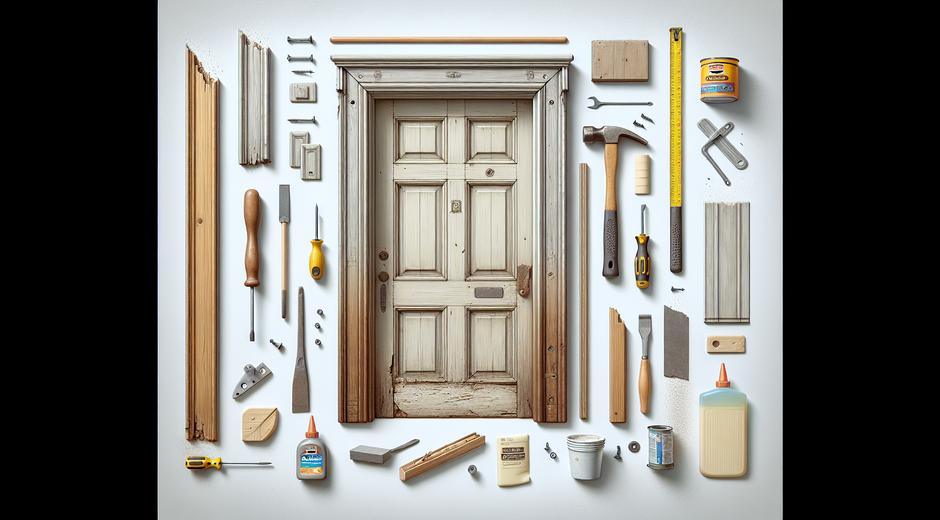
Prepare the right set of tools and materials before starting any door frame repair job. Common items include:
Carpenter quality wood filler or epoxy wood repair compound for small gaps
Replacement wood or trim for larger damaged sections
Wood glue and clamps for joint repair
Chisel and mallet for cleaning out damaged areas
Screwdriver set and a power drill with wood bits
Long screws designed for door jamb reinforcement
Paint or stain and primer to match the existing finish
Having the correct materials on hand ensures that a repair is durable and blends with the existing door and trim. For specialty tools and hardware options see suppliers such as Techtazz.com for additional product choices.
How to Repair a Wooden Door Frame
Follow these general steps for repairing common wooden door frame problems. Adjust steps as needed based on the size and location of the damage.
Step 1 Inspect the damage carefully. Remove trim if necessary to expose the full extent of the problem. Look for rot and insect damage.
Step 2 Remove any loose or decayed wood using a chisel. Clean the area and allow it to dry completely if moisture was present.
Step 3 Use a high quality epoxy wood repair compound for small to medium voids. Apply the compound according to manufacturer instructions and shape it while it is workable. For larger sections consider replacing the damaged portion with a new piece of wood cut to fit.
Step 4 Reinforce weak areas with long screws that anchor into solid framing behind the jamb. Use wood glue at joints and clamp until the adhesive sets.
Step 5 Sand the repaired area smooth. Prime and paint or stain to match the surrounding frame. Proper finishing protects the repair and improves appearance.
How to Repair a Metal Door Frame
Metal frames require different techniques. Small dents can often be pulled out and filled with metal compatible filler. For severe corrosion it may be necessary to replace the affected section or the entire frame. Use rust inhibitor on any exposed metal before applying filler and finish paint that bonds with metal surfaces.
Reinforcing the Frame for Better Security
If the issue relates to a door being forced or hardware pulling out of the frame, reinforcement is a priority. Common reinforcement methods include installing a strike plate reinforced with longer screws that reach framing studs, adding a metal reinforcement plate around the lock area, or installing a full length reinforcement jamb kit. These measures make the door frame far more resistant to impact and torque.
When to Replace the Door Frame
Replacement may be the most cost effective option when damage is extensive. Consider replacing the frame if you find one or more of these conditions:
Widespread rot along the jamb or sill
Multiple structural cracks or breaks that affect alignment
Severe corrosion in metal frames
Repeated failures after repair attempts
Replacement should be handled carefully to preserve trim and drywall. If you lack experience remove the trim only after planning how to reinstall it so the finish remains intact.
Preventive Maintenance to Avoid Future Repairs
Some basic maintenance practices help prevent future door frame repair needs. Keep the bottom of exterior frames sealed and well painted to prevent water infiltration. Check weatherstripping annually and replace it when worn. Tighten loose hardware as you find it and repaint or seal exposed wood to protect from moisture and sun damage. Managing moisture around exterior doors is the single most effective preventive step.
Cost Considerations and When to Hire a Professional
Costs vary based on materials and labor. Minor repairs using filler and basic tools are inexpensive and suitable for many homeowners. Larger repairs involving replacement pieces, full frame replacement, or tasks that affect structural framing are best left to trained professionals. A qualified contractor or carpenter can assess framing, provide a durable repair, and ensure that the door operates safely and efficiently.
Final Tips for Successful Door Frame Repair
Assess the problem thoroughly before you begin. Match repair materials to the frame material for best performance. Take time to properly prepare surfaces so adhesives and fillers bond correctly. When in doubt consult a pro for structural issues or if you lack the tools to complete the repair safely and cleanly.
Door frame repair is a manageable project for many homeowners. With the right materials and a careful approach you can restore function and appearance quickly. For more guidance on home repairs and related topics visit fixolix.com to explore additional articles and tutorials.