

Door Sweep Guide: Improve Comfort and Energy Efficiency in Your Home
A Door Sweep is a simple component that delivers big benefits for any home or workspace. This guide explains what a Door Sweep does, why it matters, how to choose the best option, and easy steps to install and maintain one. If you repair doors or manage home improvement tasks often, a properly chosen and installed Door Sweep can reduce drafts, lower energy bills, prevent pest entry, and improve acoustic comfort.
What Is a Door Sweep and How Does It Work
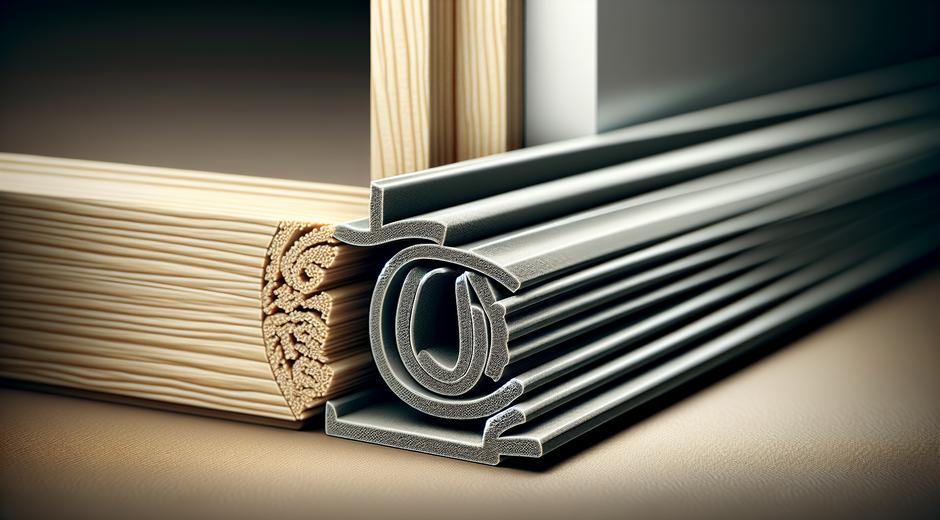
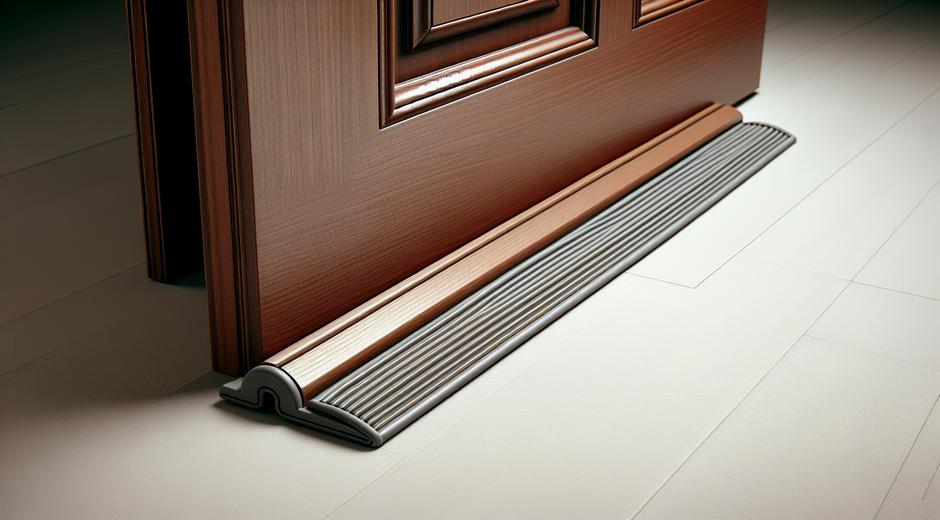
A Door Sweep is a strip that attaches to the bottom edge of a door to seal the gap between the door and the floor or threshold. That gap is often a significant source of heat loss and air infiltration. A well fitted Door Sweep blocks cold air in winter and warm air in summer, helping maintain a steady indoor temperature. The result is improved energy efficiency and reduced strain on heating and cooling systems.
Key Benefits of Installing a Door Sweep
Installing a Door Sweep offers multiple benefits that make it one of the most cost effective upgrades for any building. Major advantages include improved energy efficiency through reduced heat transfer across the floor boundary. This can lower monthly energy costs and help your heating and cooling system run less often. A Door Sweep also stops dust and dirt from entering, reduces noise transfer from corridors or busy streets, and helps keep insects and small pests out.
Types of Door Sweep Materials
Door Sweeps come in several materials and styles to suit different door types and floor surfaces. Common choices include:
- Rubber or flexible vinyl sweep that compresses to form a tight seal on uneven floors
- Brush style sweep that uses dense bristles to block drafts while allowing minimal movement
- Aluminum or metal base with a rubber insert for durability in high traffic openings
- Automatic sweep that drops into place when the door closes for a seamless look
Choosing the right material depends on where the door sits, how much foot traffic it endures, and whether the floor surface is carpet, tile, or wood. For exterior doors exposed to weather choose a durable form that resists wear and retains a seal under different conditions.
Selecting the Best Door Sweep for Your Door
Assess the door and floor junction before purchase. Measure the gap from the bottom of the door to the floor. If the gap is very large consider threshold adjustments combined with a Door Sweep. For doors that open and close quickly or have uneven floors a flexible rubber sweep is often best. When aesthetics matter select a low profile aluminum sweep with a matching finish. For noise reduction choose a dense brush style or an automatic sweep that provides continuous contact without dragging across the floor.
If you need a place to start with repairs or more resources about product options visit fixolix.com for tips and guides on door and hardware solutions.
Tools Required for Installation
Most Door Sweep installations are straightforward and require just a few tools. Typical items needed include a tape measure, pencil for marking, drill or screwdriver to attach screws, and a hacksaw or metal cutter if trimming is required. For adhesive mounted sweeps you will need a clean cloth to prepare the surface and a strong adhesive suitable for the door material. Always use protective eyewear when cutting metal trims.
Step by Step Installation Process
Installing a Door Sweep is a manageable weekend task. Follow these steps to get a professional result without hiring a contractor.
- Measure the width of the door and the height of the gap.
- Choose a sweep type that matches the door material and floor condition.
- Trim the sweep to the exact width if required. Test fit to ensure even contact across the bottom of the door.
- Position the sweep on the inside face of the door at the bottom edge. Ensure the sealing element just contacts the floor without excessive drag.
- Mark pilot screw locations and secure the sweep using screws or adhesive following manufacturer instructions.
- Check the door operation. Adjust screw tension or reposition slightly if the door sticks or if the seal is uneven.
Maintenance Tips to Extend Life and Performance
Keep the Door Sweep effective with routine checks. Clean the sweep surface to remove dust and debris that can wear the seal. Lubricate metal parts lightly if you hear squeaks. Inspect screws and mounting hardware yearly and tighten if needed. For rubber or vinyl inserts that show signs of hardening or cracking replace them promptly to prevent energy loss.
Common Problems and Simple Fixes
Sticking or scraping can happen when a sweep is too tall or when seasonal expansion changes floor heights. If the door sticks, lower the sweep slightly or trim the bottom of the door instead of raising it. If the sweep fails to seal in places check for uneven floor spots. In some cases a threshold shim or a new threshold combined with a sweep gives the best outcome. For heavy traffic doors choose a reinforced sweep with a metal base to prevent premature wear.
Energy Savings and Cost Considerations
A Door Sweep is a low cost investment with measurable returns. By reducing draft related heat loss you can see a reduction in annual energy use which often pays back the purchase and installation cost within a short period. When choosing a sweep balance upfront cost with expected lifetime. Durable materials may cost more initially but reduce replacement frequency.
Buying Guide and Warranty Notes
When buying a Door Sweep read product specifications for material type warranty length and installation method. A higher quality product often includes replacement inserts or longer warranty coverage. Check that the sweep is compatible with your door thickness and mounting style. For eco conscious options and natural material choices consider product sources that promote sustainable materials and manufacturing practices by visiting BioNatureVista.com for further ideas and products that support green building upgrades.
Conclusion
A Door Sweep is one of the simplest and most effective upgrades you can do to improve comfort and energy efficiency. With a small investment and a short installation you can stop drafts reduce noise and prevent unwanted pests from entering. Use the guidance in this article to select the right material and style and to install it correctly for long term performance. For more fixing guides and practical advice explore home repair resources at our site to expand your toolkit and knowledge.