

Exterior Wall Systems Guide for Durable and Efficient Building Envelopes
Exterior Wall Systems are a central component of any building project. They define the first line of defense against weather and the main interface for thermal efficiency and visual appeal. Choosing the right Exterior Wall Systems affects comfort energy use longevity and maintenance needs. This guide explores common system types material choices performance criteria and practical advice to help homeowners builders and facility managers make informed decisions.
What Are Exterior Wall Systems and Why They Matter
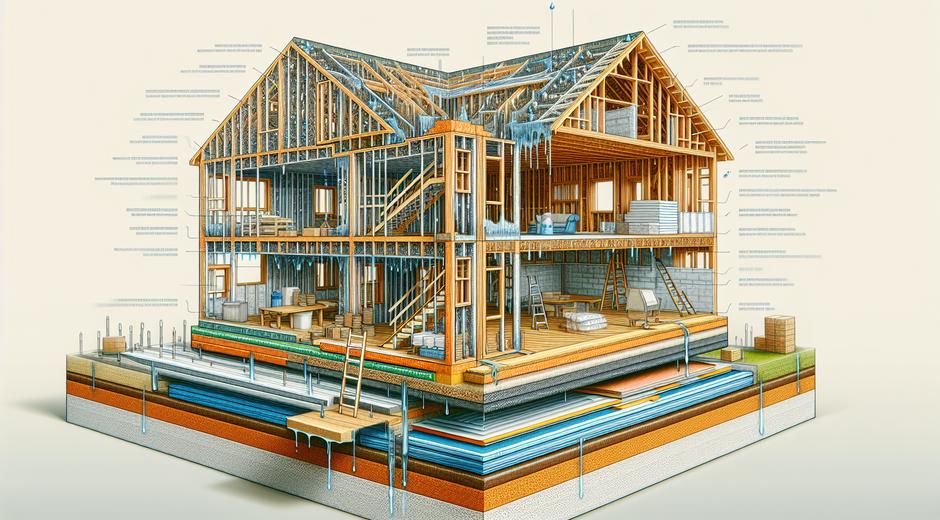
Exterior Wall Systems refer to the layered assemblies that form the outside face of a building. They include the structural wall the insulation the air barrier the weather resistive barrier and the finish material. These components work together to manage moisture control thermal transfer and air movement. A well designed Exterior Wall Systems can reduce energy bills extend the service life of the structure and improve occupant comfort. Poorly designed assemblies can allow water intrusion mold growth and rapid heat loss or gain.
Common Types of Exterior Wall Systems
There are several proven tank free strategies for building envelopes. Each offers trade offs in cost appearance performance and maintenance. Key types include:
Masonry Veneer and Load Bearing Masonry These systems use brick stone or concrete block. Load bearing masonry supports structure while veneer provides a durable finish attached to a framed wall. Masonry excels at durability and fire resistance with low maintenance needs.
Stucco and Cement Based Renders Stucco offers a continuous finish that can be applied over masonry or framed walls. Proper detailing for control joints and drainage is essential. Stucco works well in many climates and provides flexible aesthetic options.
Metal Cladding and Panels Metal panels deliver a modern look with long service life. Aluminum and steel panels are lightweight and often used on commercial buildings. Attention to thermal bridging and fastener detailing ensures performance.
Fiber Cement Siding Fiber cement combines cement cellulose and other additives into durable boards or panels. It resists rot and insects and accepts paint readily for a variety of looks.
Exterior Insulation and Finish Systems or EIFS EIFS provides continuous external insulation with a thin finish coat. When installed with a proper drainage plane EIFS can deliver significant thermal benefits and a smooth finish.
Wood Siding and Shiplap Wood siding provides a classic look. Proper cladding selection coating and ventilation are critical to prevent moisture related problems.
Key Performance Criteria to Consider
When selecting Exterior Wall Systems keep these performance areas in mind.
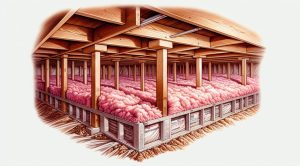
Thermal Performance Insulation placement and continuity determine overall thermal resistance. Continuous exterior insulation reduces thermal bridging and stabilizes interior surfaces.
Moisture Management A strong concept for the wall assembly includes an air barrier a weather resistive barrier and provision for drainage and drying. Capillary breaks flashing and careful sealing at penetrations prevent liquid water from causing damage.
Air Tightness Controlling air leakage reduces uncontrolled heat loss and moisture transport. Proper sealing at joints and service penetrations improves energy efficiency and comfort.
Durability and Maintenance Evaluate expected life cycle and ease of repair. Some finishes like masonry need minimal upkeep. Others such as painted wood may require periodic re coating to maintain appearance and protection.
Fire Resistance Local building codes often require certain fire performance levels especially for multi story or attached building types. Materials and assembly design influence fire rating.
Design Best Practices for Long Lasting Exterior Wall Systems
Successful Exterior Wall Systems start with design that anticipates moisture thermal and structural demands. Key practices include:
Provide a Continuous Barrier Strategy Layer the wall to include a continuous air barrier and a weather resistive barrier that work together. Ensure continuity at windows doors and roof intersections.
Design for Drainage and Venting Use a rainscreen approach when possible to allow a ventilated cavity that relieves moisture and dries the assembly.
Reduce Thermal Bridging Add exterior insulation or use thermally broken structural connections to limit heat flow through studs or metal ties.
Detail Flashing and Transitions Carefully Flashing at openings at roof walls and at penetrations must be detailed to shed water to the exterior. Small errors in flashing lead to major repairs over time.
Installation Tips and Quality Control
Even the best Exterior Wall Systems fail if installed poorly. Use trained installers follow manufacturer guidelines and perform quality checks at key stages.
Inspect Substrate and Framing Ensure framing is plumb square and that sheathing is installed correctly with proper fastener patterns.
Test Air and Water Tightness Blower door testing and water testing around windows and doors help catch leaks before finishes are applied.
Follow Manufacturer Instructions Adhesives flashing tapes and coatings perform as intended only when applied in recommended temperature and humidity ranges and in the correct sequence.
Maintenance and Repair Strategies
Routine maintenance extends the life of Exterior Wall Systems. Establish a maintenance schedule to inspect seals coatings and flashings. Replace failed caulk and damaged siding before moisture can penetrate the assembly. When repairs are needed analyze cause not just symptom to avoid repeat problems.
For technical resources and step by step guidance on common exterior repair tasks visit fixolix.com where you will find articles and tutorials tailored to a variety of wall systems.
Cost Considerations and Lifecycle Value
Initial cost is only one part of the equation. Consider the total cost of ownership which includes energy use maintenance and expected replacement intervals. Systems that provide high thermal performance and require little maintenance can deliver strong value over time. Factor in local climate labor availability and code requirements when estimating project budgets.
Energy Efficiency and Sustainable Choices
Exterior Wall Systems are central to meeting energy codes and reducing operational carbon. Continuous exterior insulation advanced framing and high performance windows reduce heating and cooling loads. Choose materials with recycled content low embodied energy and long service life to reduce the environmental footprint of the project.
If you are sourcing surface finishes or accessory products consider checking industry suppliers and product guides at BeautyUpNest.com for ideas that combine aesthetics with performance.
Common Problems and How to Avoid Them
Common issues include water intrusion mold decay and poor thermal comfort. Avoid these problems by prioritizing proper drainage correct flashing and continuous insulation. Regular inspections catch early signs of trouble so that small repairs prevent major failures.
Code Compliance and Testing
Exterior Wall Systems must meet building codes which address structural loads air tightness fire safety and energy performance. Use code referenced test methods for insulation and air leakage. Work with design professionals to ensure that assemblies meet local enforcement requirements and that required inspections are scheduled.
Choosing the Right System for Your Project
Selecting the best Exterior Wall Systems requires balancing performance cost appearance and maintenance. Consult with architects engineers and trusted contractors early in the design phase to evaluate options in the context of climate site orientation and intended building use. Prototype a small area to evaluate workmanship and appearance before full scale installation.
Summary
Exterior Wall Systems play a vital role in protecting buildings preserving energy and delivering aesthetic value. By understanding the types of systems available performance criteria and best practices for design installation and maintenance you can choose an assembly that meets your project goals. Prioritize moisture control continuous insulation air tightness and quality workmanship to achieve durable results with low lifecycle cost.
Whether you are planning a new build or a retrofit use the guidance in this article to start the selection process and consult trusted resources and suppliers to confirm performance and compliance.