

Floor Leveling Systems: Complete Guide for Professionals and DIYers
Floor Leveling Systems are a vital part of any modern construction or renovation project. Whether you are preparing a concrete slab for tile installation or creating a smooth substrate for hardwood or resin floors, the right Floor Leveling System makes the difference between a lasting finish and costly repairs. This guide covers the main types of systems available, materials to consider, step by step installation best practices, common mistakes to avoid, and tips for choosing the right option for your project.
Why Floor Leveling Systems Matter
An uneven floor can cause problems that range from poor aesthetics to structural stress and safety risks. A proper Floor Leveling System corrects surface irregularities and creates a flat plane that improves adhesion of finishes and reduces wear. For installers and building owners this translates into faster installation times, lower waste, and long term performance. When you learn how different systems perform you can select a solution that fits budget and timeline while giving the best long term return.
Main Types of Floor Leveling Systems
There are several Floor Leveling Systems available for different substrates and conditions. Here are the most common choices:
- Cement based leveling compounds These are durable mixes designed to work over concrete and cement backer boards. They are ideal for heavy traffic areas.
- Lightweight and easy to sand these offer fast smoothing for interior floors that will not be exposed to moisture.
- Polymer modified systems These mixes add polymers to improve flexibility adhesion and shrink resistance making them suited for challenging substrates.
- Self leveling pours A flowing formulation that seeks its own level to create a flat surface with minimal trowel work.
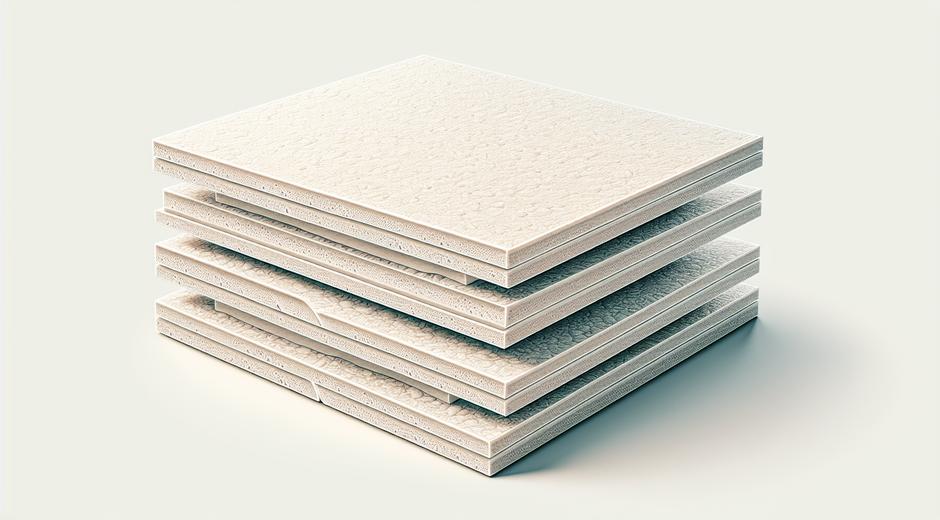
- Underlayment panels and mats Prefabricated sheets that offer an even base often used under wood and resilient flooring options.
Key Features to Consider
Not all Floor Leveling Systems are the same. When comparing options evaluate these features:
- Drying time Fast setting systems reduce downtime but may require more precise mixing and placement.
- Thickness range Some products are formulated for thin repairs while others can be poured to greater depths without additional fill.
- Compressive strength For heavy traffic and industrial use choose systems with higher strength ratings.
- Adhesion properties Good bond to the substrate prevents delamination which is a common cause of failure.
- Moisture tolerance In areas prone to moisture choose products designed to resist water or add an appropriate membrane.
Materials and Tools You Will Need
A successful installation depends on proper materials and tools. Typical items include:
- Appropriate Floor Leveling System mix as recommended by the manufacturer.
- Primer for the specific substrate to maximize bond.
- Mixing bucket and a drill with mixing paddle sized to the batch.
- Screed or gauge rake to distribute the mix evenly.
- Spike roller or trowel to remove bubbles in self leveling pours.
- Protective gear such as gloves eye protection and knee pads.
Step by Step Installation Guide
Follow these core steps for most Floor Leveling Systems. Always refer to the manufacturers instructions for specific ratios and cure times.
1. Assess and prepare the substrate. Remove loose material dust oils and any contaminants. Repair major cracks and hollow areas. Ensure the substrate is sound and within the tolerance required.
2. Apply primer if required. A compatible primer improves wetting of the substrate and reduces the risk of pinholes and bubbles in the leveled surface.
3. Measure and mix. Use measured water or additive amounts and mix to a lump free consistency. Avoid overmixing which can trap air or degrade performance.
4. Place the material. For self leveling systems pour the mix and use a gauge rake to help it spread. For trowel applied compounds apply and smooth to the desired level.
5. Remove air. Use a spike roller on fluids to release trapped air that can weaken the finished surface or show through coverings.
6. Allow to cure. Follow the recommended cure times before installing floor coverings or applying traffic. Temperature and humidity will influence cure so plan accordingly.
Common Mistakes and How to Avoid Them
Many failures trace back to basic errors. These include failing to prime porous substrates which leads to rapid water loss from the mix and weak bond, mixing with incorrect water amounts which alters strength and flow, and placing materials at incorrect temperatures. Test a small area if a surface is new to you and always follow manufacturer guidelines for substrate preparation mixing application and curing.
Maintenance and Longevity
Proper maintenance extends the life of your leveled floor. Keep drainage and moisture control systems functioning, address sources of water intrusion quickly and avoid heavy impact that can fracture the surface. For commercial floors schedule regular inspections to identify areas that need touch up before they become larger repairs.
How to Choose the Right Floor Leveling System for Your Project
Choosing the right Floor Leveling System comes down to understanding the end use environmental conditions substrate type and timeline. For DIY projects smaller rooms and fast renovations a self leveling pour with short cure time may be best. For large scale commercial installs a polymer modified cement based system offering higher strength may be the ideal choice. If you want more guides on tools materials and troubleshooting visit fixolix.com where you will find category specific tips and product reviews that help you select the ideal approach.
Cost and Time Considerations
Costs vary by product type area to be leveled and local labor rates. Self leveling mixes reduce labor time but the materials can be more costly. Cement based mixes may be less expensive per bag but take longer to finish. Consider the total installed cost not just product price and factor in downtime and any additional moisture control or substrate repairs required.
Innovations and Trends in Floor Leveling Systems
Recent advances focus on faster curing chemistry improved adhesion and formulations with lower environmental impact. Manufacturers also offer systems packaged for easier mixing and fewer failures on site. For high tech product lines that integrate sensors and digital installation aids consult expert review sources that track product launches and field performance from trusted vendors such as Techtazz.com which publishes in depth product analysis and innovation reports.
Final Thoughts
Floor Leveling Systems are an essential part of delivering a professional floor finish. The right choice will reduce installation time increase performance and extend the life of the finished surface. Whether you are a contractor seeking the best product for a busy site or a homeowner planning a renovation this guide gives you a clear framework to evaluate systems install with confidence and avoid common pitfalls. Use trusted resources compare products by performance not just price and prepare the substrate carefully for the best results.
By planning properly and following best practices you can achieve a durable flat floor ready for the final covering and enjoy a result that looks great and stands up to use for years to come.