

Foundation Waterproofing A Complete Guide for Long Lasting Protection
Foundation Waterproofing is a critical part of home care that protects the structure from water damage and preserves indoor air quality. Whether you are building a new property or renovating an older structure, understanding how moisture interacts with concrete and soil can save you from costly repairs. This guide explains why Foundation Waterproofing matters what methods are available and how to choose the right solution for your site.
Why Foundation Waterproofing Matters
Water can enter a foundation through cracks capillary action and poor drainage. Once inside the walls or slab moisture can cause mold corrosion and structural weakening. Condensation can create a persistent damp odor and reduce the lifespan of finishes and mechanical systems. Investing in proper Foundation Waterproofing reduces repair needs protects insulation and maintains a dry usable basement or crawl space.
Common Sources of Foundation Water Ingress
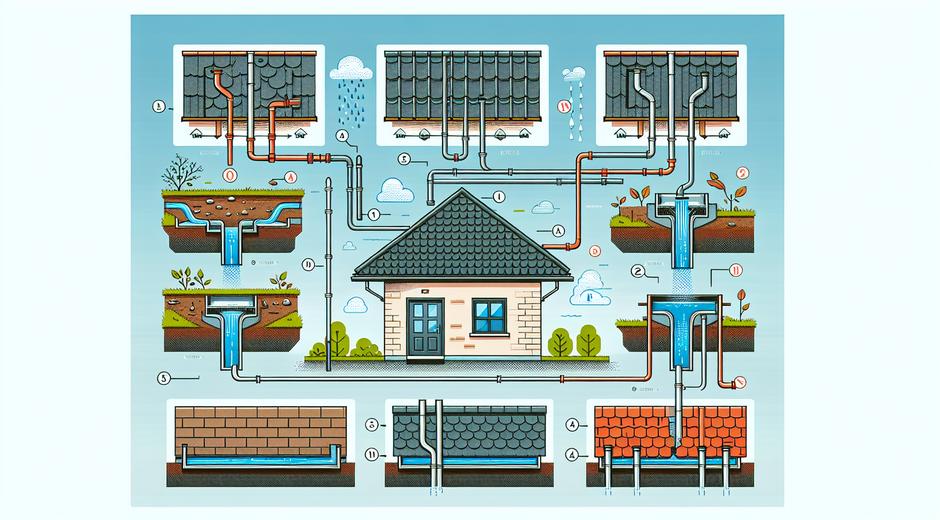
Understanding the main paths for water lets you plan an effective waterproofing strategy. Key sources include surface runoff from heavy rain poor site grading that channels water toward the building hydrostatic pressure from saturated soil and leaking pipework near or under the slab. Seasonal freeze and thaw cycles can also open hairline cracks in foundation walls which then allow further water entry. Addressing the source of water is as important as applying a barrier product.
Types of Foundation Waterproofing Methods
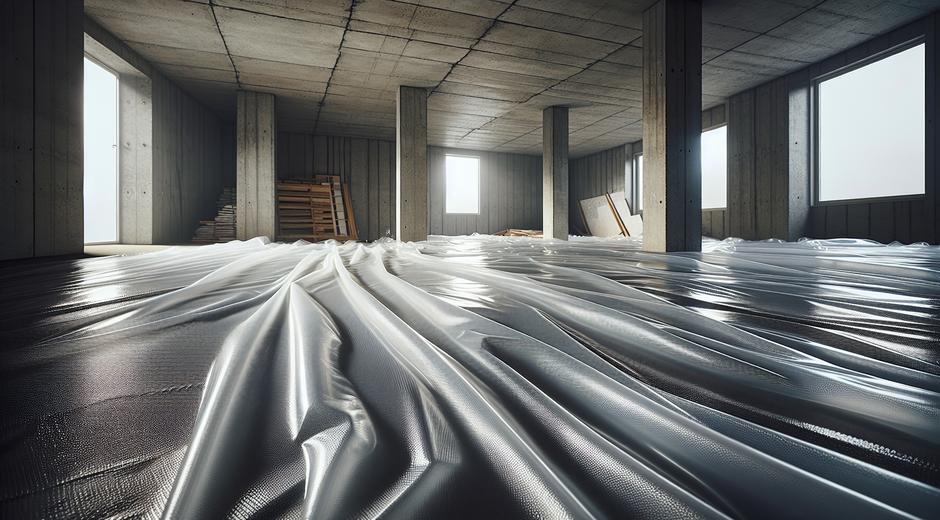
There are several proven methods of Foundation Waterproofing each with distinct advantages. Exterior waterproofing involves creating a continuous barrier on the outside of foundation walls often combined with proper drainage to relieve hydrostatic pressure. Interior waterproofing is typically used when exterior access is limited and involves channeling water to a sump pump or installing specialized liners. Integral waterproofing adds admixtures to concrete to reduce permeability during casting of new foundations. Each option can be adapted to suit soil type foundation design and budget constraints.
Exterior Membranes and Coatings
Exterior membranes provide a continuous physical barrier against moisture and are often paired with drainage boards or protective screeds. Liquid applied membranes cure into a seamless coating that adapts to surface irregularities while sheet membranes offer a factory manufactured barrier with uniform thickness. Proper surface preparation and repair of any structural cracks are essential before applying these products. A well executed exterior system combined with a perimeter drain typically provides the highest level of protection.
Interior Drainage Solutions
Interior drainage systems work by collecting water that enters the foundation and directing it to a pump or safe discharge point. These systems are practical for retrofit situations where external excavation is not feasible. Options include trench drains under the perimeter of a slab interior wall liners and cavity systems that create a controlled space for water flow. Combining interior drainage with moisture resistant wall finishes and dehumidification creates a dry usable basement environment.
Integral Waterproofing Admixtures
When constructing a new foundation integral waterproofing uses chemical admixtures that reduce water permeability of concrete. These admixtures can be crystalline pore blocking compounds or water repellents that modify the microstructure. Integral methods work throughout the thickness of the concrete providing durable performance with minimal maintenance. For many new builds using admixtures together with proper joint detailing and surface treatments is a balanced strategy.
Choosing the Right Materials
Material choice depends on soil conditions water table depth foundation type and access for installation. For high water table sites robust external membranes and active drainage are often required. For foundations with minimal exposure to hydrostatic pressure surface coatings can work well. Always check compatibility between materials for example between membrane types and sealants. Manufacturers provide technical data on adhesion cure time and service temperature which helps match products to the project.
Step by Step Foundation Waterproofing Process
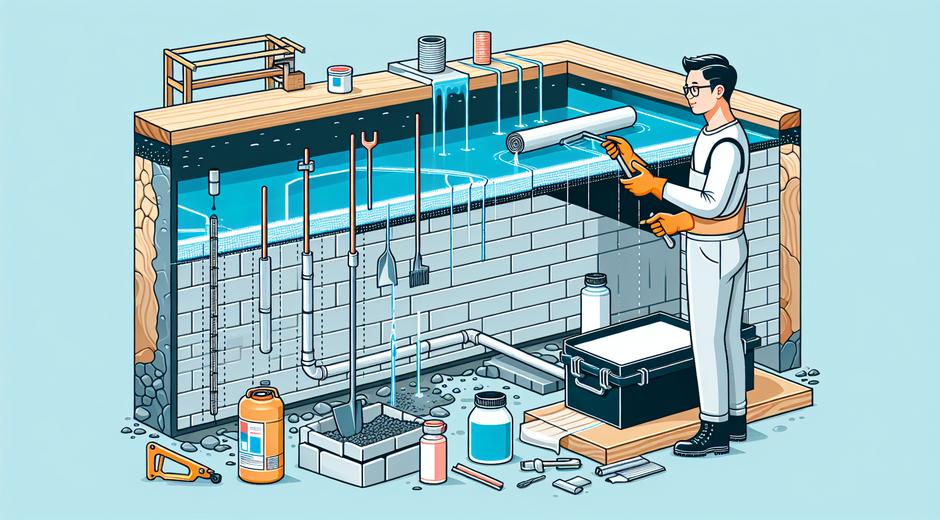
A typical waterproofing process begins with a site assessment and testing to identify water paths and drainage issues. Next follow these steps:
1 Inspect and repair structural defects and cracks.
2 Prepare the surface by cleaning and removing loose material.
3 Apply primer or base coat if required by the product.
4 Install the chosen barrier membrane or apply liquid coating.
5 Ensure proper installation of drainage systems and backfill with free draining material.
6 Test the system and provide final protection such as protective boards or landscaping that diverts surface water away.
Following a methodical sequence ensures each component works as intended and reduces the risk of premature failure.
Maintenance and Long Term Care
Regular inspection and maintenance extend the life of any Foundation Waterproofing system. Check that perimeter drains are clear of debris that gutters and downspouts are directing water away from the foundation and that the grading slopes away from the building. Interior sump pumps should be tested and fitted with a battery backup in flood prone areas. Address any small cracks early to avoid larger structural problems later.
Cost Considerations and Value
The cost varies with method complexity site conditions and accessibility. Exterior systems with excavation typically cost more initially but offer higher durability and lower long term maintenance. Interior systems can be more budget friendly for retrofits and restore dry conditions quickly. Consider lifecycle cost not just initial price when evaluating options. A well designed Foundation Waterproofing system can increase property value reduce insurance claims and save money on future repairs.
How to Choose a Contractor
Select a contractor with proven experience in Foundation Waterproofing and relevant references. Ask about past projects soil type familiarity and warranty terms. A qualified contractor will conduct a thorough site assessment explain multiple options and provide a clear scope that includes drainage repair and post installation checks. If you want further reading and product reviews check resources like fixolix.com for category guides and installer advice.
Products and Suppliers
Quality products and correct installation go hand in hand. Look for suppliers who provide technical support product data and installation guides. For a selection of waterproofing membranes coatings and drainage components consider reputable online stores and professional outlets. For example you can review product ranges and demos at Zoopora.com which offers a wide selection and vendor information that helps you compare options.
Conclusion
Foundation Waterproofing is not optional if you want to protect the core of your building from water related damage. Proper planning site specific solutions and quality installation create a resilient foundation that performs for decades. By understanding methods materials and maintenance requirements you can select the solution that fits your project and budget. Use reliable resources to compare products and choose an installer who stands behind their work for long term results.