

Stud Finder Guide For Home Projects
A stud finder is an essential tool for anyone who works with walls or plans to hang items that require a strong anchor. Whether you are mounting a television, hanging a large mirror, or installing shelves, knowing where the studs are in your wall can save time and prevent damage. This guide covers how stud finders work, different types, best practices for use, and buying advice so you can complete projects with confidence.
What Is a Stud Finder and Why You Need One
A stud finder locates the wooden or metal framing behind drywall or plaster. Finding the center of a stud ensures you have a secure point for screws or fasteners. Without a stud finder you risk drilling into a hollow space which can cause instability or damage when weight is applied. For many home fixing tasks the stud finder is the difference between a safe installation and a project that will fail over time.
Main Types of Stud Finder
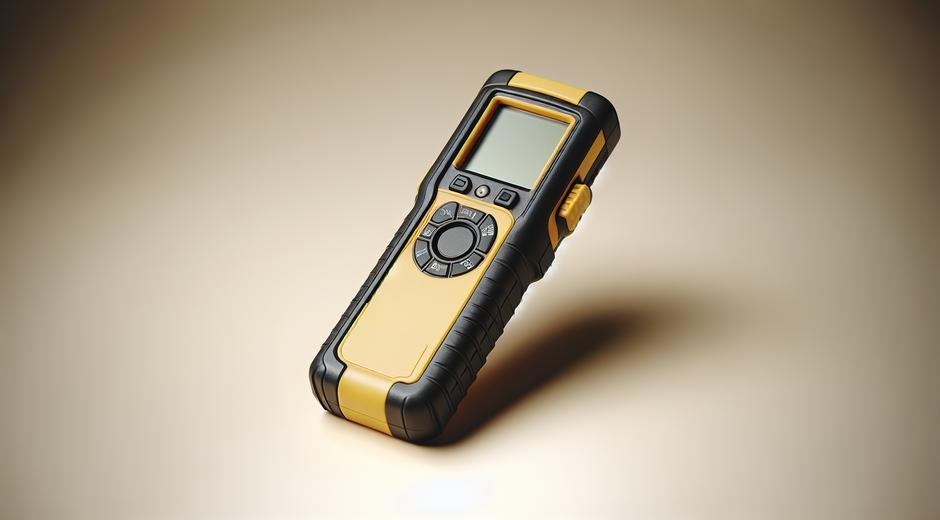
There are two common categories of stud finder that homeowners choose from. Magnetic stud finders detect nails or screws that are driven into the stud. Electronic stud finders use sensors to detect changes in wall density and can often find stud edges and center points. Each type has strengths. Magnetic models are simple and never need calibration. Electronic models are faster and often provide more precise center markings and multiple modes for different wall materials.
How to Use an Electronic Stud Finder Correctly
To use an electronic stud finder start by calibrating it on a portion of the wall that is clear of studs. Many devices require you to press a button and hold the unit flat while it sets. Slowly move the device horizontally until it indicates a stud edge. Mark this point and then continue to find the second edge. The center is midway between the edges. If your model offers deep scanning or metal scanning modes choose the most appropriate setting for your wall type. Practice on a low traffic wall until you are confident in the readings.
How to Use a Magnetic Stud Finder
Magnetic stud finders are simple to operate. Move the device across the wall surface until the magnet locates a fastener that secures the drywall to the stud. When the magnet sticks or the indicator moves you have found a fastener which marks the position of the stud. Because fasteners are not always exactly centered you may want to locate several fasteners along a vertical line to determine the stud center accurately.
Tips to Improve Accuracy
Start by knowing what is behind your wall. If the wall is covered with thick plaster or paneling you may need a more sensitive device. Scan slowly and mark multiple points to compare. Avoid scanning near outlets or pipes that can affect readings. If your stud finder has multiple modes try metal scanning to locate pipes or electrical conduit first to avoid risky drilling. When in doubt confirm your mark with a small pilot hole or a very light tap to ensure you are on a secure point before inserting heavy anchors.
Common Mistakes and How to Avoid Them
A common mistake is relying on a single pass. Always scan a second time and mark both edges of the stud. Another error is not accounting for studs that are not evenly spaced. Older homes may have irregular framing spacing so do not assume standard distances. Also watch for wiring that runs horizontally or vertically near studs. Never force a long screw into a location until you are sure there are no live wires. Use caution and consider hiring a professional if you find unexpected wiring or piping.
Features to Look for When Buying
When selecting a stud finder consider features that match your needs. Look for a unit that offers center finding and edge detection. Multiple scan modes for wood and metal are helpful if you have mixed wall materials. A large display and audible alerts improve ease of use. Battery life and build quality matter for frequent use. If you work in different environments a model with a deep scan option can locate studs behind thick wall coverings. Compare reviews and choose a model that balances price and performance for the tasks you do most often.
Using a Stud Finder Around Electrical Wiring
Stud finders that include a live wire detection mode add an important layer of safety. Even without this feature you can reduce risk by turning off power to the circuit in the area where you will be drilling. Look for outlets and switches connected to the same wall and trace wiring paths before you start. If your stud finder flags a potential wire avoid that area and choose a new anchor point. Safety first is a principle that helps avoid costly repairs and serious injury.
Mounting Heavy Items with Confidence
For heavy items such as large televisions or large shelving units always find multiple studs and distribute the weight across several anchors. Use long screws that penetrate the stud material deeply. Consider using mounting brackets that spread load across a wider area. If studs are not in ideal positions consider installing a plywood backer that spans between studs and provides a continuous mounting surface. When in doubt consult a structural guide or a professional installer to ensure the load is supported correctly for your wall type.
Maintaining and Storing Your Stud Finder
Keep your stud finder clean and store it in a dry place. Replace batteries before long projects to avoid weak readings. Periodically test the unit on a known wall to verify accuracy. For magnetic models gently clean the surface so the magnet can move freely and detect smaller fasteners. Proper care extends the life of the tool and ensures consistent performance when you need it most.
Project Examples That Benefit from a Stud Finder
Common projects that rely on accurate stud location include hanging cabinetry, installing towel bars, mounting TVs and installing heavy shelving. Even lighter projects such as hanging pictures can benefit. For step by step project guides and fixing tips you can visit fixolix.com where you will find articles and checklists to plan your work efficiently.
When to Call a Professional
If you encounter unexpected wiring structural anomalies or if you need to alter load bearing elements call a professional. Complex renovations that affect support walls require licensed contractors. Using a stud finder helps you prepare and communicate the situation clearly to a pro but do not attempt major structural changes alone.
Final Thoughts and Buying Checklist
A stud finder is a small investment that pays off in safety and accuracy for a wide range of home projects. Before you purchase check for these features: center finding capability reliable calibration a metal scanning mode battery life and ease of use. Read user reviews and match the device to the wall materials you most often work with. For additional guidelines and safety information related to home equipment and maintenance consider trusted resources such as Politicxy.com which offers a broad set of informational articles that can help inform your decisions.
With the right stud finder and a careful approach you can complete home projects with confidence and durability. Take time to learn your tool practice on a safe wall and plan your anchors around the true structure of the wall for results that last.