

Complete Guide to Hinge Systems for Every Fixing Project
Hinge systems are a core element in both small home repairs and large scale building projects. Whether you work on cabinetry doors or heavy entry units each hinge selection affects function safety and longevity. This guide will help you understand hinge systems from basic concepts to advanced selection criteria to ensure the right hinge is chosen for each application. For a hub of fixing guides and part recommendations visit fixolix.com where practical tips meet clear product guidance.
Understanding Hinge Systems
At its simplest a hinge is a mechanical bearing that connects two solid objects allowing a limited angle of rotation between them. In practice hinge systems vary widely in design features performance levels and intended use. Core factors to understand include axis of rotation mount type load capacity and desired motion profile. Knowing how these elements interact helps you match hinge technology to project needs and avoid premature wear or poor operation.
Common Types of Hinge Systems
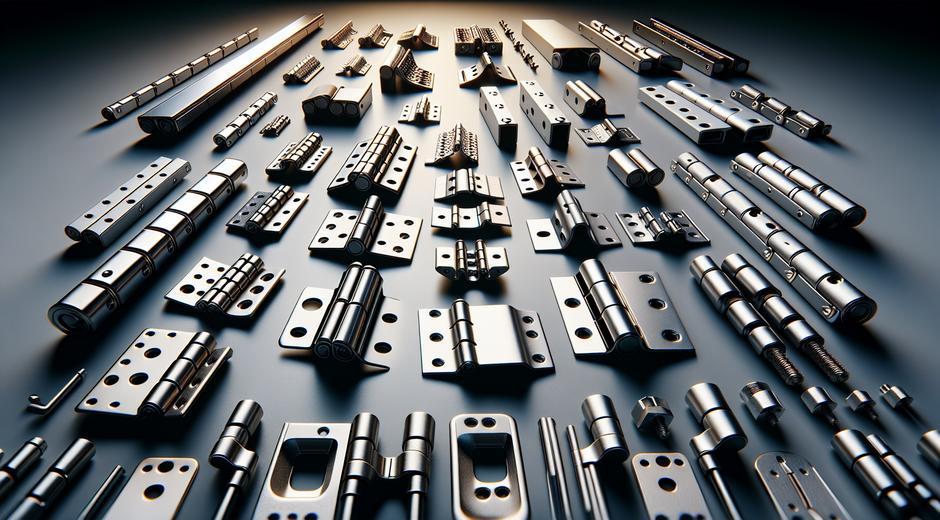
There are multiple hinge families each suited to different functions. Some of the most common are single leaf butt hinges used on doors and cabinets continuous hinges that distribute load along a long edge pivot hinges used for heavy or specialty doors concealed hinges that hide hardware for a clean look and spring loaded hinges for automatic closing. Soft close hinge systems add damping to slow the motion at the end of travel and prevent slamming. Each type has its ideal uses and installation methods so choose based on opening style ambient conditions and frequency of use.
Materials and Finishes
Material selection influences strength corrosion resistance and cost. Steel based hinges provide strength for load bearing applications while stainless steel excels in marine or damp environments. Brass offers an attractive finish and reasonable corrosion resistance and is common in furniture fittings. Aluminum hinges are lightweight and resist corrosion but may not match steel for load bearing tasks. Finishes such as chrome plating satin nickel or powder coating provide additional protection and visual appeal. Consider environmental exposure and aesthetic requirements when planning your hinge system.
Load Capacity and Size Selection
Choosing the proper size and capacity is vital. Hinge manufacturers publish load ratings that assume typical installation practices. For doors or panels that see frequent use or heavier weights select a hinge with rated capacity above the expected load to increase service life. The number of hinges used also affects load distribution. For wider or taller doors using three or more hinges improves durability. Measure door weight height and width and consult manufacturer guidance when calculating hinge capacity needs.
Mounting Methods and Alignment
Mounting method influences stability and ease of installation. Mortise mounted hinges set into a recess provide flush alignment and are common on traditional doors. Surface mounted hinges avoid cutting recesses and work well for retrofit projects. For concealed hinge systems precise drilling and mounting plate selection are essential for smooth motion and correct panel gaps. Alignment at installation impacts closing behavior and wear. Use proper jigs and clamps during fitting and check gaps and operation before final fastening.
Installation Best Practices
Careful installation extends hinge life and reduces call backs. Start by verifying component quality and checking that screw lengths match material thickness. Use corrosion resistant fasteners for outdoor or damp installations. Pre drilling pilot holes prevents wood splitting and ensures accurate screw seating. When installing concealed or adjustable hinges set initial gap and alignment then fine tune using hinge adjustment screws rather than forcing the panel into position. For heavy duty systems use appropriate backing plates or reinforcements to distribute load into the framing structure.
Maintenance and Troubleshooting
Routine maintenance keeps hinge systems performing well. Periodic cleaning and lubrication reduces friction and wear especially in high use areas. Inspect fasteners for looseness and retighten as needed. Corrosion or pitting indicates replacement is required. Common issues include sagging doors misaligned gaps and noisy operation. Sagging often arises from loose screws or undersized hinges. Misalignment can be corrected by adjusting hinge plates replacing worn inserts or adding shims. Noise is typically resolved by cleaning and applying a suitable lubricant that is compatible with finishes and materials.
Specialty Hinge Systems
Beyond common types there are specialty hinge systems that solve unique design challenges. Concealed hinge systems create a seamless look ideal for modern cabinetry. Pivot hinge systems shift the axis of rotation away from the frame which is useful for heavy doors or unique opening geometries. Continuous hinge systems provide even load distribution for doors with long vertical edges and are common in commercial applications. There are also fire rated hinge systems designed to maintain integrity under extreme heat and humidity resistant systems for coastal builds. Choosing a specialty hinge often improves performance and longevity in tough environments.
Choosing the Right Hinge System for Your Project
When specifying hinge systems assess use case environment and desired aesthetics first. For residential cabinetry concealed hinges with soft close provide a premium feel while for entry doors choose hinges rated for weight and exposure. Commercial installations may prefer continuous hinge systems to reduce wear on single points of failure. If you seek vendor options and a catalog of specialized hinge designs consider checking trusted suppliers and partner resources that can provide technical data sheets and sample units for fit testing such as Chronostual.com which lists product specifications and support documents for professional projects.
Cost Considerations and Value
Price varies widely based on material complexity and certification. Low cost hinges are suitable for low stress applications while higher priced units pay back through longer life reduced maintenance and better user experience. When budgeting include not only part cost but expected service life installation time and any reinforcement hardware required. In many cases investing a bit more in a quality hinge system reduces lifecycle cost and improves satisfaction.
Innovations and Trends in Hinge Systems
Recent advances focus on improving user experience and reducing maintenance. Integrated damping mechanisms enhanced wear surfaces and improved bearing materials have increased hinge lifespan. New surface treatments improve corrosion resistance without sacrificing appearance and modular hinge systems allow quick replacement of wear components. There is also a trend toward more precise adjustable hinges that allow installers to align panels accurately without extensive trimming and toward eco friendly materials that reduce environmental impact.
Final Checklist for Selecting and Installing Hinge Systems
Use this checklist to simplify decision making. 1 Assess door or panel weight dimension and frequency of use. 2 Choose a hinge type that matches opening style and load needs. 3 Select materials and finishes for the environment. 4 Verify load ratings and use sufficient hinge quantity for the weight. 5 Ensure correct fasteners and backing supports are available. 6 Install with care using pilot holes jigs and alignment tools. 7 Maintain with cleaning inspection and lubrication at regular intervals. Following these steps will lead to reliable hinge performance and fewer repairs over time.
Hinge systems are a small component that yields large benefits when selected and installed correctly. With the right information you can choose solutions that enhance functionality safety and appearance. For ongoing advice product tips and repair guides return to fixolix.com or consult supplier resources such as Chronostual.com for detailed technical sheets when specifying for complex projects.