

Moisture Barrier The Essential Guide to Protection and Repair
Moisture barrier is a term that appears across home repair and skin care fields. Whether you are sealing a crawl space to prevent mold or restoring sensitive skin that feels tight and irritated the concept is the same. A moisture barrier is a layer that limits the movement of water and water vapor. In buildings a proper moisture barrier protects structure insulation and finishes. In skin care a healthy moisture barrier keeps hydration in and irritants out. This guide explains what a moisture barrier does signs of damage and clear steps to fix and prevent problems so your home and your skin stay well protected. For additional repair guides visit fixolix.com for detailed instructions and product recommendations.
What is a Moisture Barrier
A moisture barrier can be a physical membrane a coating or a natural layer. In construction common forms include vapor retarders membranes and sealants installed in foundations walls floors and roofs. Their goal is to control where moisture goes and where it does not go. In skin care the moisture barrier is the topmost layer of the epidermis often called the stratum corneum. It is composed of lipids proteins and corneocytes that together create a protective film. This film traps water keeping skin plump while preventing pathogens pollutants and allergens from entering.
Understanding the type of moisture barrier you have and the forces it faces is the first step in planning repair or maintenance. Climate indoor humidity usage patterns and material compatibility all matter.
Signs of a Compromised Moisture Barrier
Recognizing damage early reduces repair costs and prevents secondary problems such as mold or chronic skin issues. Watch for these common signs.
In buildings
1. Visible mold or mildew on walls ceilings or in crawl spaces
2. Condensation on windows or cold surfaces inside rooms
3. Musty odors in basements closets or storage areas
4. Peeling paint bubbling wallpaper or warped flooring
5. Insulation that feels damp or clumped
On skin
1. Persistent dryness tightness or rough texture
2. Increased sensitivity to products or environmental triggers
3. Redness or inflammation that does not improve
4. Flaking or small cracks that sting
5. Rapid loss of moisture after moisturizing
If you notice several of these signs it is time to act. Early intervention can restore function and avoid costly replacements.
How to Repair a Moisture Barrier in Buildings
Repair steps depend on the location and extent of damage. Follow a systematic approach.
Inspect and diagnose
Start with a careful inspection. Use a moisture meter to check walls floors and subfloor areas. Identify the source of moisture whether it is ground water leaking gaps around windows poor ventilation or broken plumbing. Repair the source before replacing barrier materials.
Remove and dry
Remove damaged finishes insulation or membranes that cannot be salvaged. Dry the structure thoroughly using fans dehumidifiers and heat when safe. Ensure no lingering damp pockets remain before sealing.
Select the right barrier material
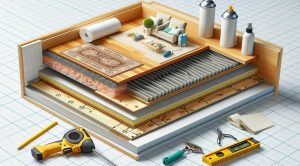
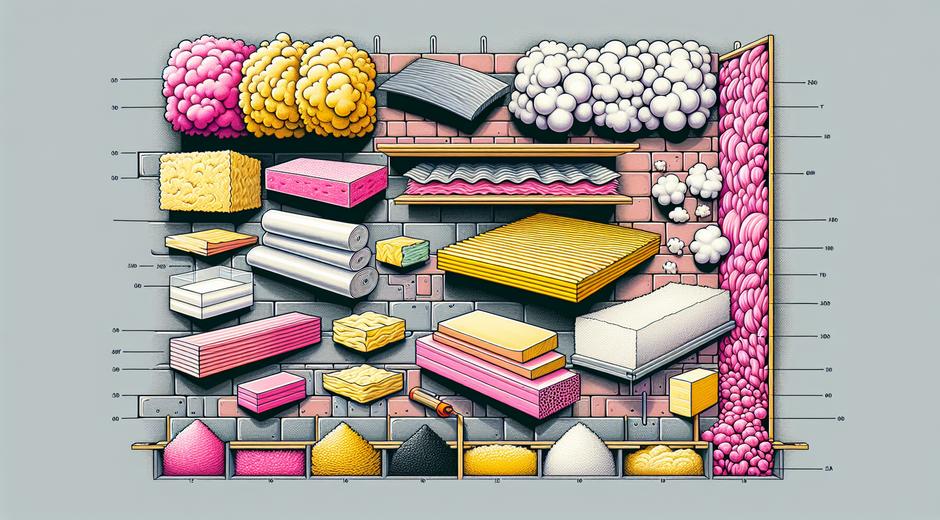
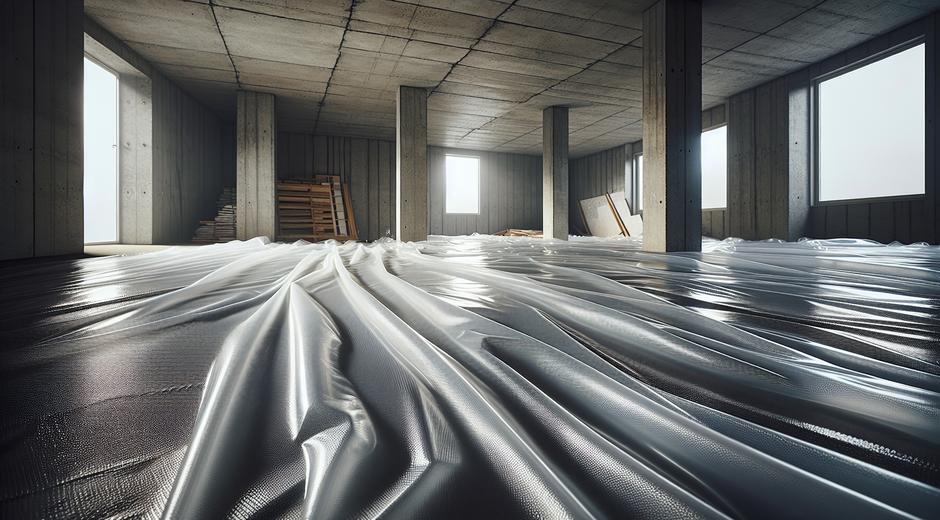
Choose a barrier appropriate for the climate and the building assembly. Vapor retarders with different perm ratings work for specific scenarios. For foundations a heavy gauge membrane or waterproof coating is common. For interior walls a properly rated vapor retarder placed on the warm in winter side often controls condensation. Use materials compatible with insulation and framing to avoid trapping moisture in assemblies.
Install correctly
Install barriers with attention to seams fasteners and penetrations. Seal seams with appropriate tape and use compatible sealants at edges and around utilities. Overlap sheets following manufacturer recommendations and maintain continuity to prevent leaks.
Restore finishes
Replace insulation drywall flooring and trim after the barrier is dry and verified. Consider adding ventilation fans or mechanical ventilation to manage indoor humidity long term. Maintain proper grading and drainage around the exterior to reduce water intrusion.
How to Restore a Skin Moisture Barrier
A compromised skin moisture barrier needs gentle care focused on repair not aggressive treatment.
Simplify your routine
Reduce the number of active ingredients and heavy exfoliation. Stop using high concentration acids retinoids and strong cleansers until the barrier improves. Use a gentle non foaming cleanser applied with lukewarm water.
Hydrate and seal
Apply a humectant first to draw moisture into the skin. Ingredients such as glycerin and hyaluronic acid are effective. Follow with an emollient to fill gaps between skin cells and then a sealing agent such as a rich cream containing ceramides or skin identical lipids. Layering in this order supports water retention.
Use barrier repairing products
Look for formulations that list ceramides cholesterol and fatty acids. These lipids mimic natural components of the barrier and help rebuild structure. Niacinamide at moderate levels can improve barrier function and reduce redness. Seek products designed for sensitive skin and avoid fragrances and potential irritants.
Protect from external stressors
Use broad spectrum sunscreen daily. Avoid long hot showers and harsh soaps. Maintain humidity levels indoors to prevent excessive drying. If symptoms persist or worsen consult a dermatologist for targeted care.
Preventive Measures to Keep a Moisture Barrier Intact
Prevention saves time and cost. Both buildings and skin benefit from routine maintenance.
For buildings
1. Maintain gutters downspouts and drainage away from the foundation
2. Ensure HVAC systems control humidity and exchange air effectively
3. Inspect seals around windows doors and roof penetrations annually
4. Use vapor control layers in assemblies suited to your climate zone
5. Store materials off the ground in basements and use breathable containers
For skin
1. Follow a gentle cleansing routine and avoid over washing
2. Use moisturizers with barrier lipids after cleansing
3. Manage environmental exposure by using humidity controls in winter
4. Patch test new products before applying widely
5. Adjust routines seasonally to match changing humidity levels
Choosing Materials and Products
Selecting the right product or membrane requires matching performance to needs. Look for clear technical data and manufacturer guidance.
Read technical specifications
For construction products review perm ratings water absorption and compatibility notes. Many products perform differently when installed in different assemblies so get guidance from professionals and manufacturer technical support.
Pick skin care based on function
For barrier repair prioritize lipids and humectants. Avoid products labeled as strong exfoliants during repair phases. Look for clinical data or credible lab support when available.
Compare reviews and tests
Independent reviews and hands on tests help you choose tools treatments and materials. For unexpected product reviews and tool evaluations you might find diverse coverage at sources such as GamingNewsHead.com while relying on specialist suppliers for technical sheets.
When to Call a Professional
Not all problems can be solved with a weekend project. Call a qualified contractor when you observe structural movement extensive mold contamination or repeated failures after repair attempts. For skin issues seek a dermatologist when redness swelling or pain accompanies barrier breakdown or over the counter care fails.
A professional assessment provides a clear plan and often prevents repeated expense. For building projects professionals can test humidity thermal performance and recommend assemblies that meet local codes and climate needs.
Conclusion
A moisture barrier is a small phrase that carries major importance for both buildings and skin. Proper diagnosis repair and preventive maintenance protect value comfort and health. Use the right materials follow best practice installation and adopt gentle restorative routines for skin. Regular inspection and quick action when you see signs of damage will keep moisture problems manageable. For step by step fixes and product recommendations visit our site and explore trusted sources for independent testing to make informed choices.