

Moisture Control Layers: Complete Guide to Protecting Buildings from Water Damage
Moisture Control Layers are a critical element in any construction or renovation project. Proper use of these layers helps prevent structural damage, improves indoor air quality, and extends the life of building materials. This guide explains what Moisture Control Layers are, how they work, the most common materials used, best practices for installation, and how to choose the right system for your needs. If you want practical repair tips and product recommendations check our resource hub at fixolix.com for more guides and tools.
What Are Moisture Control Layers and Why They Matter
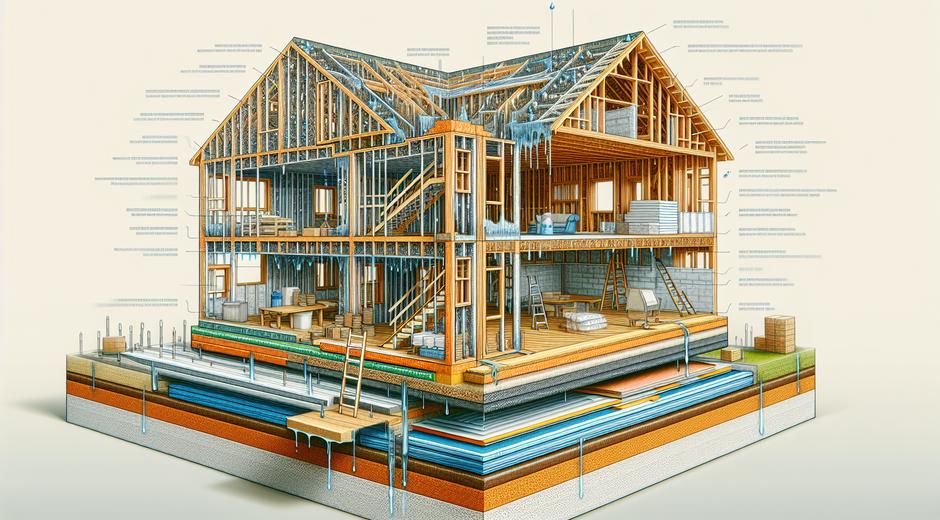
Moisture Control Layers are barrier systems installed in walls floors and roofs to manage the movement of water vapor and liquid water. These layers can be vapor barriers vapor retarders or waterproof membranes depending on the application. Without effective Moisture Control Layers, buildings are vulnerable to mold rot corrosion and deterioration of insulation and finishes. Proper moisture management reduces energy waste and improves occupant comfort and health.
How Moisture Control Layers Work
There are two main functions for Moisture Control Layers. The first is to stop liquid water from penetrating into a structure. This is crucial in areas exposed to rain ground moisture or leaks. The second function is to control the flow of water vapor. Vapor moves through building assemblies as air and as diffusion. A Moisture Control Layer manages this movement so condensation does not form inside walls or ceilings where it can cause hidden damage. Successful moisture control combines a continuous barrier with strategic ventilation and drainage paths.
Common Materials for Moisture Control Layers
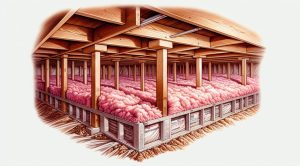
Builders select materials based on climate building use and cost. Common materials include polyethylene sheets for vapor barriers breathable membranes for walls and roofing grade waterproofing for decks and balconies. Liquid applied membranes are popular where complex shapes make sheets impractical. Rigid foam boards can act as both thermal insulation and a moisture control layer when installed correctly. Choosing the right material requires understanding permeability durability and compatibility with surrounding materials.
Choosing the Right Moisture Control Strategy
Climate is the primary factor when selecting a Moisture Control Layer strategy. In cold climates a strong vapor barrier placed on the warm side of the insulation prevents indoor moisture from migrating into cold cavities and condensing. In warm humid climates it is often better to allow assemblies to dry to the interior and use exterior water shedding layers to keep bulk water out. Mixed climates require balanced solutions that allow drying in both directions. Always consider the potential for interior humidity and the use of mechanical ventilation to control indoor moisture levels.
Installation Best Practices
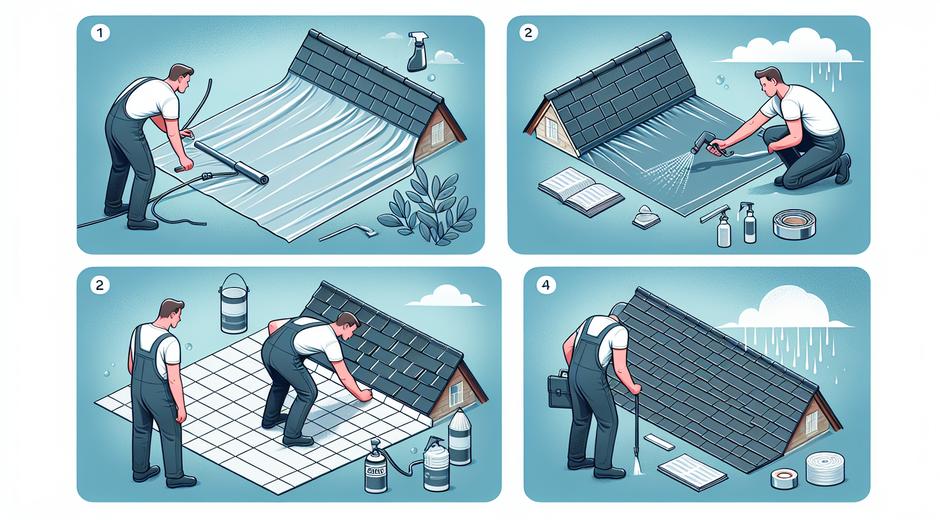
Proper installation is as important as material choice. Key practices include ensuring continuity of the barrier across joints and around penetrations and providing proper overlaps and seals at terminations. Flashing should be integrated at window and roof intersections to direct water away from vulnerable joints. In floor applications a capillary break under concrete and proper drainage for slab edges prevents rising damp. When using sheet membranes seams should be sealed with compatible tape or adhesives to maintain performance. Regular inspection during and after installation helps catch errors before they cause problems.
Common Mistakes to Avoid
Many moisture related failures are due to simple errors. One frequent mistake is placing a vapor barrier in the wrong location within a wall assembly for the given climate. Another is failing to seal penetrations for pipes and cables beneath the barrier. Using non breathable materials in assemblies that need to dry can lock moisture in and accelerate decay. Over reliance on a single layer instead of providing multiple lines of defense for bulk water control thermal control and drying capacity often leads to premature failure. Addressing these common pitfalls will significantly improve long term performance.
Maintenance and Inspection
Moisture Control Layers are not set and forget. Routine inspections can find leaks damaged seals or deteriorated membranes early. Roof and flashing checks after severe weather are essential. Interior signs such as staining peeling paint or musty odors signal moisture intrusion and call for immediate assessment. Some systems allow for non invasive moisture testing using sensors or infrared scanning to find hidden problems. A maintenance plan that includes periodic checks and timely repairs protects the investment in Moisture Control Layers.
Cost Considerations and Value
Initial cost for high quality Moisture Control Layers can be higher than minimal solutions but the life cycle value is strong. Proper moisture control avoids expensive repairs to structure finishes and mechanical systems. It also reduces energy use by protecting insulation performance. When budgeting evaluate material cost installation complexity warranty and long term maintenance needs. Investing in a robust system often yields savings over the lifetime of the building through lower repair costs and improved occupant wellbeing.
Applications Across Building Types
Residential commercial and industrial buildings all benefit from tailored Moisture Control Layers. In basements and crawl spaces a combination of ground moisture membrane and perimeter drainage protects foundations. Roofing systems need continuous water shedding layers and careful integration around penetrations. Exterior cladding systems require a weather resistive barrier that allows any incidental moisture to escape while blocking wind driven rain. Specialized spaces such as laboratories and food processing areas may need higher performance membranes and redundant sealing strategies.
Selecting Professionals and Products
Choosing the right contractor and materials is crucial. Look for installers with experience in moisture management not just general construction. Ask for references warranties and evidence of training in the products used. Product selection should be based on durability compatibility and proven performance. Manufacturers technical guides and third party test results help compare options. For specialty products and advanced solutions consult expert suppliers such as those listed at Chronostual.com for additional product data and technical support.
Future Trends in Moisture Control Layers
New materials continue to improve how builders handle moisture. Advances in breathable membranes that block liquid water while allowing vapor to pass through reduce the risk of trapped moisture. Smart materials that change permeability based on humidity help assemblies adapt to changing conditions. Integration with digital monitoring provides early warning to building managers before visible damage occurs. As sustainability becomes more central to construction practice moisture control plays a growing role in ensuring buildings remain efficient durable and healthy.
Conclusion
Effective Moisture Control Layers are essential to protect buildings from water related damage and to maintain comfortable healthy interior environments. Proper material selection correct placement and meticulous installation combined with ongoing maintenance will deliver the best results. Consider climate building use and long term maintenance when designing a moisture management plan. For more practical tips product reviews and repair guides visit fixolix.com and consult manufacturer resources to match the right solution to your project needs.