

Paint Sheen A Complete Guide to Choosing the Right Finish
Paint sheen plays a key role in how a room looks and how long painted surfaces last. Many DIY lovers and professional painters focus on color when planning a project. Yet sheen can change the appearance of color and determine how easy a surface is to clean. This guide explains what paint sheen is how to select the right finish for each room and how to avoid common mistakes that reduce durability and aesthetic appeal.
What Paint Sheen Means
Sheen refers to the amount of light a paint surface reflects after it dries. Low sheen finishes absorb light and create a soft look while higher sheen finishes reflect light and create a brighter look. The result affects color depth texture visibility and maintenance needs. Choosing the right sheen improves long term performance and helps the painted surface look its best for years.
Common Sheen Types and Their Traits
Understanding common sheen options makes selecting the right one simple.
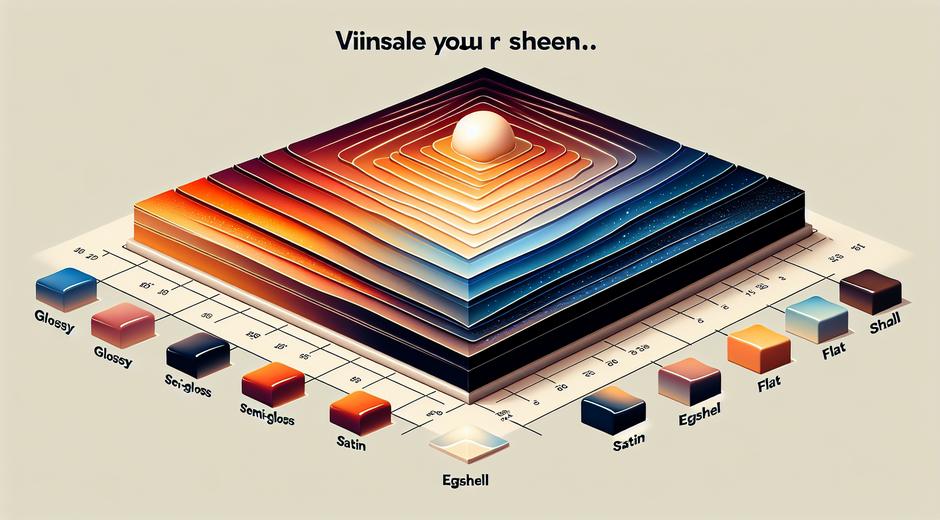
– Flat or matte: These have the least light reflection and hide surface imperfections. They are best for ceilings and low traffic areas but can be hard to clean.
– Eggshell: Slightly more reflective than flat and offers a subtle luster. Eggshell is a good choice for living rooms and bedrooms.
– Satin: With a soft sheen that balances light reflection and washability satin works well for hallways and family rooms. It resists mildew in moist spaces.
– Semi gloss: A stronger sheen that reflects more light and offers easy cleaning. This finish is a common choice for trim cabinets and doors.
– Gloss: Very reflective and very durable. Gloss finishes are often used for furniture and architectural detail to create contrast and highlight features.
Note that manufacturers may use different naming conventions so always look at sheen percentage when available and test a sample patch.
How Sheen Affects Color Perception
Sheen influences how saturated a color appears. Higher sheen tends to make colors look slightly deeper and brighter because more light bounces off the surface. Low sheen absorbs light so colors can appear softer and more muted. If you want a true representation of paint color test the color in the intended light at different times of day and compare how the finish changes perception.
Room by Room Sheen Recommendations
Consider durability light exposure and the look you want when selecting sheen.
– Ceilings: Flat or matte is ideal to hide imperfections and minimize glare.
– Living rooms and bedrooms: Eggshell or low satin keeps the look soft while offering some cleanability.
– Kitchens and bathrooms: Satin or semi gloss resists moisture and cleans easily. High humidity rooms benefit from finishes that stand up to steam.
– Trim and doors: Semi gloss or gloss provides a durable surface that highlights architectural detail.
– High traffic areas: Choose satin or semi gloss for corridors and family rooms where walls need frequent cleaning.
These suggestions are starting points. Always test before committing to large areas.
Durability and Maintenance
Higher sheen finishes usually stand up to scrubbing and stains better than low sheen finishes. In households with children pets or heavy use choose satin or semi gloss on lower wall areas and flat or eggshell higher up. Use appropriate cleaners to avoid dulling the finish. Some cleaners with abrasive particles can damage high sheen surfaces if used excessively.
Sheen and Surface Imperfections
Flat finishes conceal bumps dents and textures because they do not reflect much light. If walls have flaws choose a low sheen option to hide issues. Conversely glossy finishes emphasize every irregularity so proper surface preparation is essential before applying high sheen paint.
Application Tips for Best Results
Proper preparation and technique give any sheen the best result.
– Prep the surface well by cleaning and repairing holes with putty then sanding smooth.
– Use a quality primer suited to the substrate to ensure uniform sheen and adhesion.
– Apply paint under consistent temperature and humidity to prevent finish variation.
– Use the right tools such as high quality brushes and rollers to avoid lap marks and texture differences.
– Apply two thin coats rather than one thick coat for better durability and even sheen.
Testing small areas before full application helps confirm that the chosen sheen interacts well with the light and texture in the space.
Sheen for Trim and Cabinetry
Trim and cabinetry often use higher sheen to highlight details and stand up to handling. Semi gloss or gloss provides a crisp look and resists scuffs. When updating cabinets choose a finish that harmonizes with wall sheen to prevent harsh contrasts. Use a bonding primer for surfaces that are previously finished or have a glossy surface.
How to Test Sheen Before You Commit
A small sample patch will show you how a sheen behaves on a surface. Paint a section that includes natural light and inspect it at different times of day. Look at it from multiple angles to see how light reflection changes. This simple test prevents surprises and ensures the finish meets your needs for appearance and maintenance.
Solving Common Sheen Problems
Sometimes a paint job does not meet expectations. These tips address common issues.
– Sheen mismatch between patched areas and original paint can be fixed by repainting the entire surface using the same product and sheen.
– Uneven sheen or roller marks often result from inconsistent application or thinning paint. Maintain a wet edge and use uniform strokes.
– Visible brush strokes on high sheen surfaces can be minimized by using high quality brushes and applying thin coats with light sanding between coats if needed.
Knowing the most likely cause helps you fix the problem quickly and prevent it in future projects.
Cost and Environmental Considerations
Sheen selection can affect cost because certain high sheen products cost more. Balance your budget with durability needs. Also consider low VOC paint options for indoor air quality. Many modern paints provide durable higher sheen without excessive VOC content so you can choose a cleaner option while maintaining performance.
How Professional Advice Helps
When in doubt consult a paint professional who can recommend a product and sheen based on surface type traffic patterns and lighting. Many home improvement resources and blogs provide room specific guidance and product comparisons. For more general fixing tips and guides visit fixolix.com where you will find practical advice for a variety of projects. If you are staging property or preparing a home for sale consider professional staging tips and services that focus on finishes to increase appeal such as those found at MetroPropertyHomes.com.
Final Thoughts on Choosing Paint Sheen
Choosing the right paint sheen is as important as choosing the right color. Think about light reflection maintenance needs and the look you want to achieve. Test samples and prepare surfaces to get the best result. With the right approach you can enhance color depth highlight architectural details and ensure your painted surfaces remain attractive and durable for years.