

Roof Ridge Vent: The Complete Guide to Better Attic Ventilation
A roof ridge vent is one of the most effective passive ventilation solutions for a home roof. Proper attic airflow reduces heat build up and moisture buildup while extending the life of roofing materials. This guide explains what a roof ridge vent does how it works why it matters and how to choose maintain and install one. Whether you are a homeowner planning an upgrade or a repair technician looking for best practices this article covers the essentials to optimize attic performance and energy efficiency.
What Is a Roof Ridge Vent and Why It Matters
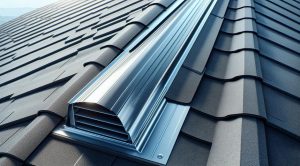
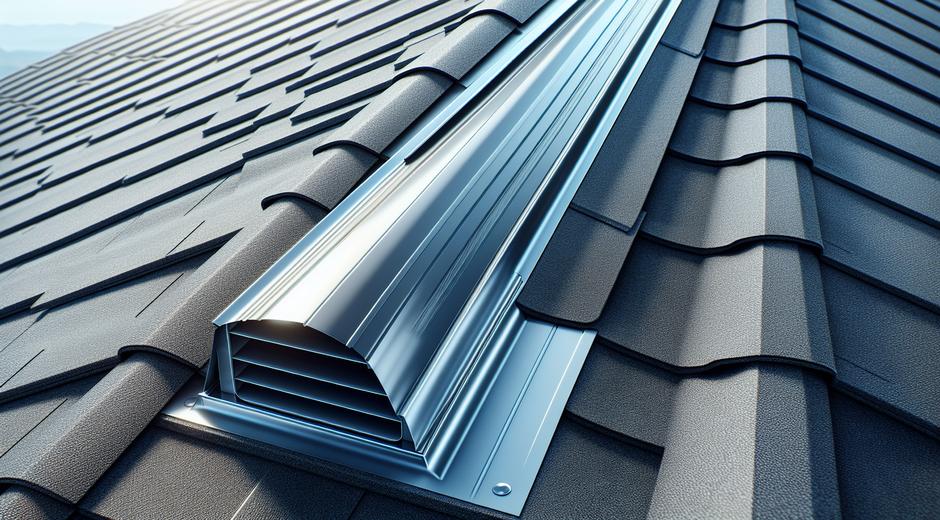
A roof ridge vent is a continuous vent that runs along the peak of a sloped roof. It allows warm air to escape from the attic while cooler air enters low on the roof through soffit vents or other intake vents. This natural exchange creates steady ventilation without mechanical fans. Good ventilation balances attic temperature and moisture levels which reduces the risk of mold wood rot and premature shingle failure.
Homes without adequate ridge venting often see higher attic temperatures in warm months and trapped moisture in cooler months. That leads to higher energy bills and potential structural damage. A correctly sized roof ridge vent combined with proper intake creates a balanced system that protects the building envelope and improves indoor comfort.
How a Roof Ridge Vent Works
The principle behind a roof ridge vent is simple physics and airflow. Warm air naturally rises. As attic air warms it moves upward toward the highest point of the roof and escapes through the ridge vent. Cooler outside air is drawn into the attic through soffit vents or other low intake points. This continuous flow removes heat and moisture and reduces pressure differences that can drive conditioned air out of living spaces.
Continuous ridge venting performs best when paired with adequate intake at the eave or soffit level. Without intake ventilation the ridge vent cannot pull fresh air through the attic and ventilation performance drops. Properly designed systems follow a general rule of thumb for intake to exhaust ratio to ensure efficient operation across seasons.
Benefits of Installing a Roof Ridge Vent
Installing a roof ridge vent offers many advantages for homeowners and building managers. Key benefits include:
- Improved energy efficiency through reduced attic heat gain which lowers cooling demand
- Extended shingle and roof component life by preventing excessive heat buildup
- Reduced moisture related damage such as mold mildew and wood rot that result from trapped humidity
- More uniform attic temperatures which helps the performance of insulation and HVAC systems
- Low maintenance operation since ridge vents have no moving parts and are less prone to failure than active fans
For those who focus on indoor air quality and how ventilation affects health and comfort consider exploring additional resources at BodyWellnessGroup.com which offers information on air quality solutions that complement good roof ventilation.
Types of Roof Ridge Vent Options
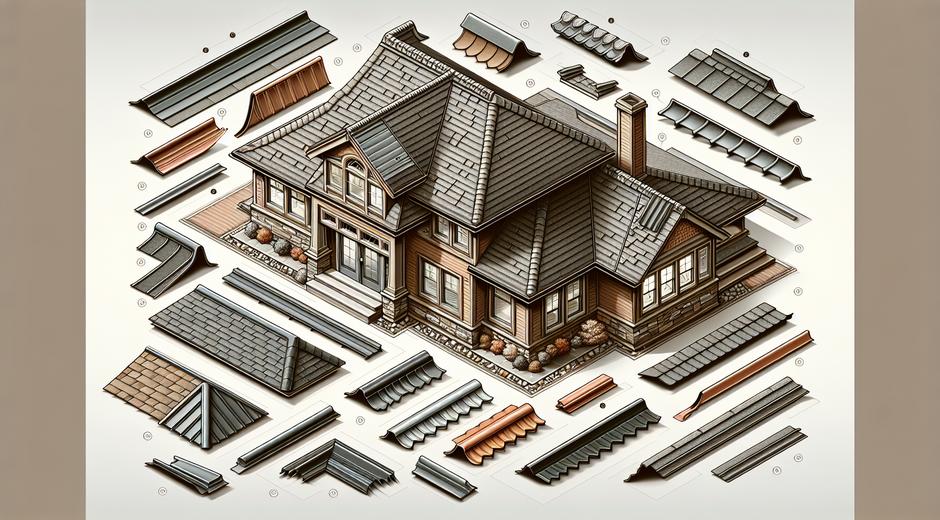
There are several ridge vent designs and materials to choose from. Common options include:
- Low profile ridge vents that are hidden under the ridge cap for a clean roof line
- High flow ridge vents designed for maximum airflow for larger attics
- Foam based ridge closure systems that seal gaps while permitting airflow
- Aluminum or plastic ridge vents that vary by durability and aesthetic
Choosing the right option depends on roof slope attic size local climate and roofing material. Roof ridge vent performance is also influenced by installation quality and the availability of intake vents so select a product that matches the performance needs of the building.
Signs Your Roof Ridge Vent Needs Repair or Replacement
Even though ridge vents are durable some signs indicate they need attention. Look for these common issues:
- Excessive attic heat or visible condensation and mold in the attic space
- Ineffective airflow despite clean intake vents which may mean the ridge vent is blocked
- Physical damage to the ridge vent or separation from the roof line after a storm or due to age
- Sagging along the ridge which signals structural problems or failed fasteners
- Pest intrusion where birds rodents or insects are entering through the vent
Timely repair prevents further damage and often restores ventilation without a full replacement. If the vent is compromised consider professional assessment to determine the most cost effective course of action.
DIY Installation Steps for a Roof Ridge Vent
Installing a roof ridge vent can be a suitable project for experienced DIYers who are comfortable on a roof. Basic steps include:
- Measure and mark the ridge line and verify existing roof structure and ridge board alignment
- Remove the ridge cap along the area to be ventilated taking care not to damage shingles
- Cut a slot along the ridge that meets the manufacturer recommended width and keeps a central portion of the ridge intact for strength
- Install a continuous ridge vent product securing it with corrosion resistant fasteners per instructions
- Replace or install a new ridge cap over the vent ensuring proper coverage and sealing against water entry
- Confirm that intake vents at the soffit or eave are clear and provide the necessary net free area for balanced ventilation
Always follow manufacturer guidelines and local building codes. Use fall protection and proper safety equipment when working on a roof. If you are unsure about any step hire a qualified roofing professional to prevent leaks or installation errors.
When to Hire a Professional for a Roof Ridge Vent
Consider hiring a professional when the project involves complex roof geometry steep slopes older roof decking or when local code compliance is unclear. Professionals offer accurate airflow calculations proper flashing and long term warranties. A roofing contractor can also identify hidden issues such as rotten ridge boards or compromised underlayment that a simple DIY job might miss.
For trusted guidance on home repair and roof related services visit fixolix.com where you can find expert resources and service recommendations tailored to your project needs.
Cost Factors and Return on Investment
The cost to add a roof ridge vent varies with roof size roof pitch material choice and labor rates. Generally the investment is modest compared with the long term savings. Benefits such as lower cooling cost longer shingle life and reduced need for attic repair contribute to a positive return on investment. When budgeting include potential roof replacement if the roof is near the end of its life since pairing vent installation with replacement is often more economical in the long run.
Frequently Asked Questions About Roof Ridge Vent
How much ventilation do I need? Ventilation needs depend on attic size and local climate. A ventilation specialist can compute intake and exhaust ratios to meet best practice standards.
Will a ridge vent stop ice accumulation? Proper ventilation reduces attic heat loss which can limit ice dam formation. However effective insulation and proper roof detailing are also crucial.
Can I use a ridge vent with solar panels? Yes but layout must ensure the ridge vent remains unobstructed and panels are mounted to allow airflow. Consult an installer to coordinate both systems.
Conclusion
A roof ridge vent is a cost effective way to improve attic ventilation reduce energy use and protect roof investment. Proper design installation and maintenance ensure performance across seasons and help avoid common problems such as mold wood rot and shortened shingle life. Whether you handle the work yourself or hire a professional gathering accurate information and planning intake and exhaust balance leads to the best results. For reliable advice and resources for home repair projects visit the center for fixing and repair information at fixolix.com and consider indoor air resources at BodyWellnessGroup.com as a useful companion resource.