

Shear Walls
Shear Walls are a critical component in modern building design and construction. These vertical elements provide lateral strength and stiffness to structures and help resist forces caused by wind and seismic activity. For anyone involved in construction repair or planning the retrofit of an older building, understanding Shear Walls is essential. At fixolix.com we cover practical guidance on installation options maintenance and code compliance so homeowners contractors and engineers can make informed choices.
What Are Shear Walls?
Shear Walls are structural walls that transfer horizontal loads from upper floors and the roof down to the foundation. They act like deep vertical beams and are designed to handle shear forces which try to slide parts of a structure parallel to each other. Materials used for Shear Walls include reinforced concrete masonry wood panels and steel. Each material offers distinct performance characteristics and cost profiles so selecting the right type depends on site conditions budget and desired performance.
Why Shear Walls Matter for Building Safety
The main role of Shear Walls is to improve the lateral stability of a building. In areas with high wind exposure or frequent seismic activity Shear Walls limit deformation and reduce the risk of collapse. They also minimize damage to nonstructural elements such as partitions and facade panels which can be costly to repair. Properly designed Shear Walls help maintain the integrity of a building so occupants can evacuate safely after a major event.
Types of Shear Wall Systems
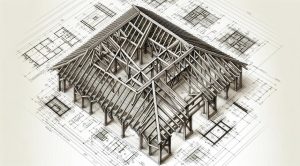
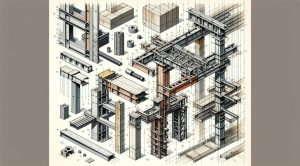
There are several common types of Shear Wall systems. Solid reinforced concrete Shear Walls are popular for high rise buildings because of their high stiffness and predictable performance. Masonry Shear Walls combine concrete block with grout and vertical reinforcement to provide good lateral capacity for low to mid rise construction. Timber Shear Walls often use wood sheathing fastened to studs and sill plates and are common in residential construction. Steel framed Shear Walls use steel plates or braced frames to provide high strength with reduced wall thickness.
Design Considerations
When designing Shear Walls engineers must consider lateral load paths diaphragm action foundation connection and the distribution of walls in plan. Continuity from the roof to the foundation is essential so that forces can flow without interruption. Openings for windows and doors reduce the effective shear area so detailing around these weak points is crucial. Reinforcement layout concrete cover and connection details determine the performance under cyclic loading which is typical in seismic events. Building codes provide minimum requirements but project specific analysis can optimize performance and material usage.
Placement and Layout
Strategic placement of Shear Walls improves overall building behavior. Walls should be arranged to reduce torsion and to provide balanced resistance in both principal directions. Concentrating Shear Walls along one edge can cause twisting which increases demands on connections and other members. Many successful designs use Symmetric layouts or paired Shear Walls to control movement. In addition to vertical alignment it is important to coordinate with floor diaphragms which distribute loads to the walls.
Construction Best Practices
Quality construction is as important as design. For concrete Shear Walls proper consolidation formwork and curing are necessary to achieve specified strength. Masonry walls require correct grout placement and sufficient embedment of reinforcement. In timber applications fasteners and nailing patterns must follow manufacturer guidance to ensure shear transfer. Connections to foundations should provide adequate anchorage with straps or embedded anchors sized for the expected forces. Inspection during construction ensures details are implemented as designed which reduces the risk of performance issues later.
Retrofitting Existing Buildings
Many older buildings were not designed to current requirements for lateral loads. Retrofitting with Shear Walls is a proven method to increase seismic and wind resilience. Engineers may add new walls within existing partitions or create reinforced cores around stairwells and elevator shafts. Alternative methods include adding steel frames adjacent to existing walls or strengthening existing masonry with shotcrete or fiber wraps. The most effective retrofit respects architectural constraints while providing continuous load paths to the foundation.
Materials and Durability
Material selection affects longevity performance and maintenance needs. Reinforced concrete offers excellent durability when concrete cover and quality control are maintained. Masonry Shear Walls require attention to moisture management to avoid freeze thaw damage in cold climates. Timber Shear Walls need protection from moisture and pests and may require periodic inspection and repair of sheathing or fasteners. Steel elements must be protected from corrosion through coatings and proper detailing at connections. Long term durability planning reduces lifecycle cost and preserves structural performance.
Codes Standards and Performance Criteria
Building codes specify minimum design loads detailing and testing criteria but they also allow for alternative approaches when supported by analysis. For seismic design performance based methods can be used to demonstrate acceptable behavior under expected ground motion. Wind design focuses on pressure distribution on the building envelope and the transfer of forces to lateral force resisting systems such as Shear Walls. Working with a qualified engineer ensures compliance with local code requirements while optimizing design for forecast site loads.
Inspection and Maintenance
After construction regular inspection helps detect issues early. Look for cracks in concrete or masonry that indicate unexpected movement or foundation issues. In timber systems check for loose nails splits or degraded sheathing. Corrosion of embedded hardware in concrete should be monitored and addressed promptly. Repairs may include epoxy injection for narrow cracks adding reinforcement in exposed sections or localized replacement of damaged sheathing. Proactive maintenance extends the service life of Shear Walls and preserves building safety.
Cost Considerations and Value
Adding Shear Walls affects construction cost but it also adds real value by reducing risk. The cost depends on material choice wall configuration and foundation requirements. In retrofit projects work that improves lateral resistance can reduce insurance premiums and minimize downtime after a major event. Proper planning can integrate mechanical and architectural needs so that Shear Walls serve both structural and functional roles such as housing ducts or supporting finishes. Cost benchmarking with similar projects helps set realistic budgets.
Resources and Further Reading
For professionals and homeowners seeking detailed technical guidance there are many resources available. Training courses and manufacturer literature explain product specific details while code commentary clarifies intent and interpretation. Online platforms that aggregate building information can help compare products and case studies. For related tools and services consider visiting Zoopora.com which offers additional resources and product listings that complement the general guidance provided here.
Conclusion
Shear Walls play a central role in making buildings safer and more resilient. Whether you are planning new construction or a retrofit the key steps include proper analysis correct material selection careful detailing and diligent construction oversight. Regular inspection and maintenance preserve performance over time. For practical how to guides repair tips and service connections visit fixolix.com and explore our articles and checklists that support quality implementation of Shear Walls across all building types.