

Stair Stringer Layout Guide for Builders and DIYers
Why a Proper Stair Stringer Layout Matters
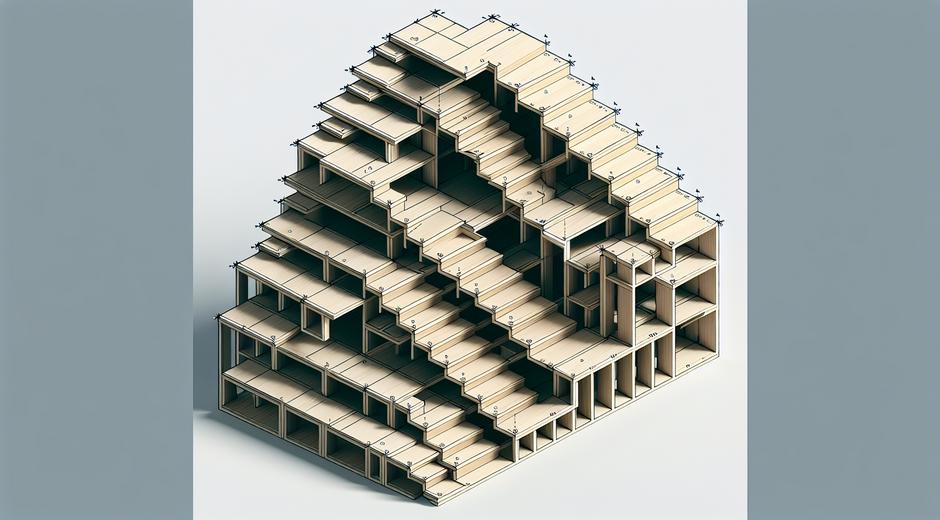
A correct stair stringer layout is the foundation of a safe and attractive stair. Whether you are building an interior stair or an outdoor stair, the layout determines comfort, code compliance and durability. A poor layout can lead to uneven steps, unsafe rise and run proportions and the need to redo costly cuts. This guide walks through the planning measuring and execution steps that will help you design a reliable stair stringer layout every time.
Key Concepts to Know
Before starting a stair stringer layout you need to understand rise run and total height. Rise means the vertical distance from one tread surface to the next. Run means the horizontal depth of each tread. The total rise is the vertical distance from the finished floor at the bottom to the finished floor at the top. Codes and comfortable design often target a consistent rise across all steps and a tread depth that allows secure footing.
Stair geometry influences safety. High narrow steps create a trip risk. Low deep steps slow movement. A balanced stair stringer layout achieves uniform rise and consistent tread depth. It also accounts for the thickness of finished flooring at top and bottom so the first and last rise match all others.
Tools and Materials You Will Need
Gathering the right tools ahead of time makes layout smooth. Key items include a framing square a reliable tape measure a pencil a speed square clamps and a circular saw or jigsaw for cutting stringers. Use good quality treated lumber for outdoor stringers and structural grade lumber for interior uses. You may also want stringer templates and a carpenter square to transfer measurements precisely.
Safety items are essential. Wear eye protection hearing protection and gloves. Secure your workpiece to prevent movement while cutting. Accurate layout and careful cutting reduce waste and ensure the stair fits the space as planned.
Measuring for a Stair Stringer Layout
Start by measuring the total rise. Measure from the top finished floor surface down to the bottom finished floor surface. If the bottom landing will receive finished flooring add that thickness to the measurement for the most accurate layout. Next decide a comfortable riser height. Many builders aim for a rise that keeps the number of steps within practical limits while remaining comfortable. Once you choose a riser height divide the total rise by the chosen rise to determine the number of risers. If you get a fraction adjust the riser height slightly so the risers become equal integers.
After establishing risers calculate tread run. Multiply the number of treads by the run to determine the required horizontal space. Remember the number of treads equals the number of risers minus one in most conventional layouts unless you have a top or bottom landing configuration that changes this relationship.
Keep notes of these numbers as you proceed to layout your stringers. A paper plan with total rise chosen riser chosen number of risers number of treads and proposed run prevents mistakes when transferring marks to lumber.
Transferring Measurements to Stringers
Use a framing square to mark rise and run on the stringer board. Place the framing square on the edge of the board and mark each rise and run point in sequence. Check alignment frequently to ensure marks are straight and consistent across all stringers by stacking them and comparing marks.
A common approach is to mark the top of the stringer first and then work downwards. This helps ensure the top cut will match the finished floor level. When marking account for tread thickness and nosing projection if your treads will have a nosing detail. Double check that the number of marks equals the planned number of risers so each step will match.
When transferring your stair stringer layout to multiple stringers always use the first cut stringer as a template for others. Clamping the template stringer to the new blank and tracing cuts saves time and maintains consistency.
Making Cuts and Test Fitting
Cut along your marks carefully. Use a saw that can handle the thickness of the stringer lumber. A circular saw can make the straight portions of the cuts while a jigsaw can finish inside corners for a clean profile. After cutting one stringer use it as a template to mark and cut remaining stringers.
Test fit the stringers in place before installing treads. Check that each step has the planned rise and that the treads will sit level. Shim where necessary but if shims are required in many places revisit the layout to find out if measurement or marking errors were introduced. A well executed stair stringer layout should require only minimal adjustments during installation.
Common Mistakes to Avoid
One common mistake is ignoring finished floor thicknesses at the top or bottom. The result can be a first or last rise that is out of tolerance making the stair feel uneven. Another error is inconsistent templates. If you mark a second stringer directly from the framing square rather than tracing from the first cut template small differences add up across the width of the stair.
Failing to consider headroom can be a costly oversight. Always verify vertical clearance for the path above the stair so the layout provides safe headroom. Lastly avoid rushing the layout. Accurate measurement marking and verification take time but save material and frustration.
Finishing Steps and Installation Tips
Once your stair stringers are fitted install the treads and risers following manufacturer instructions or common carpentry practice. Use construction adhesive and screws or finish nails to secure treads. Pre drill when screwing through hardwood treads to avoid splitting. Ensure nosings are aligned and that treads are level across the width.
If your stair will be painted seal all wood surfaces before final installation when possible. For outdoor stairs use corrosion resistant fasteners and apply appropriate sealant or paint to protect the wood from moisture and UV exposure.
Maintaining and Inspecting Stairs
Regular inspection helps catch issues before they become serious. Check for loose treads cracked stringers or fasteners that are backing out. Address moisture damage promptly for outdoor stairs. Keeping hardware tight and finishes intact extends the life of the stair assembly and maintains safety.
If you are new to stair layout consider practicing on scrap lumber before committing to the final stringer boards. A dry run reveals potential pitfalls and builds confidence.
Where to Find More Resources and Plans
Quality plans and calculators can simplify the stair stringer layout process. For a range of fixing instructions and layout resources visit fixolix.com where detailed guides and project ideas are available for a variety of home repair and build tasks. If you are planning stairs for a rental property or vacation home and need local travel oriented advice about site access and logistics you might find relevant lifestyle information at TripBeyondTravel.com.
Final Checklist for a Successful Stair Stringer Layout
Before cutting confirm the following items on your plan. Confirm total rise and chosen riser height match. Confirm number of risers and treads are integers and consistent. Check headroom and horizontal space. Mark and cut one template stringer then trace from that template for the rest. Test fit all stringers before final fastening. With careful layout and attention to detail your stair stringer layout will deliver safe even steps that last for years.