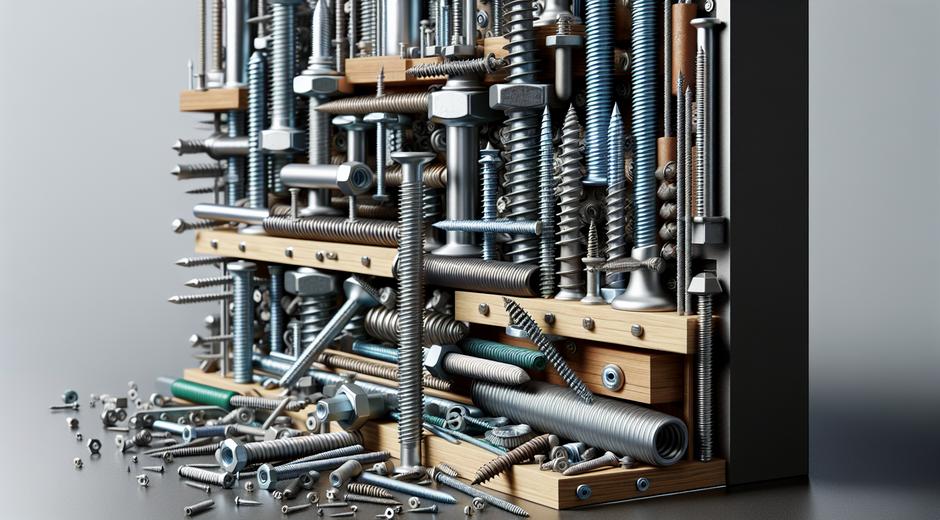


Structural Fastening A Complete Guide for Builders and Technicians
Structural Fastening is a core element of any construction task that requires joining components to create safe long lasting assemblies. Whether you work on bridges roofs frames or interior partitions understanding how to choose and apply the right fasteners has a direct impact on durability performance and cost. In this guide we cover types of structural fastening selection criteria installation best practices and inspection methods that will help you improve quality on every job.
What Is Structural Fastening
Structural Fastening refers to the methods and devices used to secure two or more structural members so they act together under load. It includes traditional hardware such as bolts rivets and anchors as well as joining techniques like welding and high performance adhesives. The goal is to transfer forces safely across connections while resisting shear tension bending and environmental factors that can weaken joints over time.
Common Types of Structural Fastening
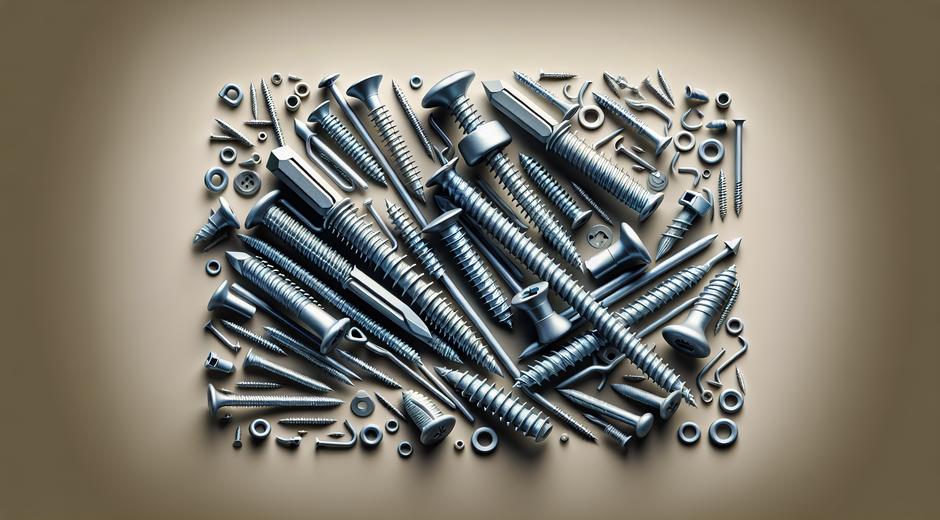
Bolt connections remain the most versatile option for many structural applications. Bolts transfer shear and tension through bearing and can be tightened to control clamping force. For permanent metallic connections rivets historically provided a reliable method and are still used where vibration resistance is key. Anchors hold elements to concrete or masonry using expansion or chemical bonding. Threaded rod with nuts and washers offers flexibility when precise adjustment is needed. Welding creates a continuous metal joint and is ideal when a rigid permanent connection is required. Structural adhesives deliver uniform stress distribution and can bond dissimilar materials when properly applied.
Factors to Consider When Selecting Fastening Methods
Material compatibility must be a top priority. Dissimilar metals can cause galvanic corrosion when exposed to moisture. Select fasteners made of compatible alloys or include isolating coatings to prevent reaction. Load type is another critical factor. Shear loads call for shear resistant fasteners and proper hole preparation. Tension controlled joints need adequate embedment depth and correct torque application to ensure clamping pressure holds under service conditions. Environmental exposure drives the choice of corrosion resistant materials and protective finishes. For exterior or marine use opt for stainless alloys or protected coatings that are formulated for long term resistance.
Design and Installation Best Practices
Follow these design and installation steps to maximize joint integrity. First design for constructability. Allow space for tool access torque application and inspection. Use washer plates or bearing plates when holes are oversized or loads concentrate on soft substrates. For bolted joints follow specified torque values to achieve target preload. If no torque specification exists use calibrated tools and follow industry torque tables based on bolt grade and size. In concrete anchored applications ensure embedment depth meets the manufacturer recommendations and hole cleaning protocols are followed to allow the anchoring mechanism to perform. When using adhesives surface preparation is essential. Clean degrease and roughen bonding surfaces to promote mechanical adhesion and cure under recommended conditions.
Quality control starts at procurement. Accept only fasteners that meet recognized standards and traceability requirements. Batch testing and certification documentation reduce the risk of defective materials reaching the field. Training for installation crews ensures consistent application of torque proper use of washers and correct selection of hole sizes for clearance or interference fits.
Inspection and Maintenance of Structural Fastening
Routine inspection preserves safety. Visual checks reveal corrosion fatigue cracks and loosened hardware. For critical connections schedule periodic torque audits using calibrated torque wrenches. Non destructive testing methods such as ultrasonic or magnetic particle inspection can detect subsurface defects in welded joints and critical fasteners. Replace fasteners that show significant corrosion deformation or thread damage. Apply protective coatings or sacrificial anodes where corrosion risk is persistent. Keep detailed maintenance logs to track replacements and to support life cycle planning.
Common Mistakes to Avoid
One frequent mistake is misclassification of load types leading to undersized fasteners. Another is improper hole preparation where debris reduces anchor performance. Over tightening can damage threads and reduce fatigue life while under tightening fails to provide required clamping force. Using incompatible materials without isolation increases corrosion risk. Failing to follow manufacturer instructions for adhesives or chemical anchors often results in weak bonds. Training and clear procedural checklists help eliminate these errors.
Material and Corrosion Protection Strategies
Choose fastener materials based on environment and expected service life. Carbon steel offers strength but needs protective coating in corrosive settings. Stainless grades provide superior corrosion resistance but vary widely by composition. Zinc plating offers economical protection for mild environments whereas hot dip galvanized coatings provide thicker long lasting coverage for outdoor applications. Consider isolation materials such as non conductive washers or sleeves when dissimilar metals must be used together. For coastal environments take measures to avoid crevice corrosion and select alloys designed for chloride rich atmospheres.
Standards and Codes
Complying with recognized standards ensures predictable behavior of connections. Refer to national and international standards for bolt grades torque tables anchor performance and welding codes. In many projects structural designers will specify fastener types and grades based on these standards. Contractors should maintain access to the relevant code books and manufacturer technical data sheets to ensure compliance at every stage.
Innovations in Structural Fastening
Advances in materials and joining technology continue to expand options. High performance adhesives allow lighter joint designs by distributing stress across larger areas. Mechanical anchors have seen improvements in load capacity and ease of installation. Surface treatments now provide both corrosion protection and improved friction for bolted joints. Digital tools enable better torque tracking and installation records which improve quality assurance and traceability across a project.
Choosing a Reliable Resource
When you need practical tips tools and product guides on fastening and general fixing topics visit fixolix.com for curated articles and step by step instructions. For selected accessories and products that complement structural fastening systems you may find useful items from trusted suppliers including retailers like Romantichs.com which offer a range of finishing materials and fitting components.
Summary
Structural Fastening plays a critical role in safety longevity and performance of built systems. Selecting the right fastener considering material compatibility and environmental factors combined with correct installation and regular inspection will reduce failures and extend service life. Keep your teams trained use quality materials follow standards and maintain records to support successful outcomes on every project. With the right approach structural fastening becomes more than a simple task it becomes a discipline that adds measurable value to construction work.