

Wall Moisture Control A Complete Guide to Protecting Your Home
Wall Moisture Control is a critical topic for homeowners and property managers who want to prevent structural damage and protect indoor air quality. Excess moisture in walls leads to peeling paint mold growth and weakened plaster. This guide covers causes signs diagnosis and practical solutions to keep walls dry and healthy. Follow these steps to reduce repair costs and extend the life of your building.
Why Wall Moisture Control Matters
Controlling moisture in walls is not just a matter of aesthetics. Moisture can compromise insulation reduce energy efficiency and encourage mold that harms health. Early detection and targeted action preserve property value and prevent costly repairs. Proper Wall Moisture Control also improves comfort and reduces energy bills by maintaining effective thermal barriers.
Common Causes of Wall Moisture
Understanding the source of moisture is the first step to effective control. Common causes include rising damp from ground moisture penetrating through foundations leaking pipes within wall cavities and condensation from poor ventilation. Weather related water infiltration can occur through cracked masonry missing roof tiles or blocked gutters. Each cause requires a specific approach so accurate diagnosis is essential.
How to Spot Moisture Issues Early
Early signs are often visual. Look for damp patches on plaster peeling paint salt like deposits called efflorescence and dark staining. Musty odors peeling wallpaper or a rise in allergy symptoms can indicate hidden mold. A simple inspection should include the base of walls behind furniture near plumbing fixtures and external wall junctions with the ground.
Diagnosing the Source of Moisture
Start with a room by room survey. Check the exterior for blocked drainage or failing mortar. Inside inspect plumbing for leaks and test ventilation in bathrooms and kitchens. Moisture meters provide quick readings and can guide you to the wettest areas. If the source is unclear consider bringing in a professional who can perform thermal imaging and more advanced tests.
Immediate Actions to Reduce Moisture
If you find damp areas take immediate but simple steps. Increase ventilation by opening windows and using extractor fans. Remove wet materials so that surfaces can dry and reduce indoor humidity with portable dehumidifiers. For small visible mold areas clean with a detergent solution and allow full drying before repainting. For larger issues contact a specialist.
Long Term Wall Moisture Control Strategies
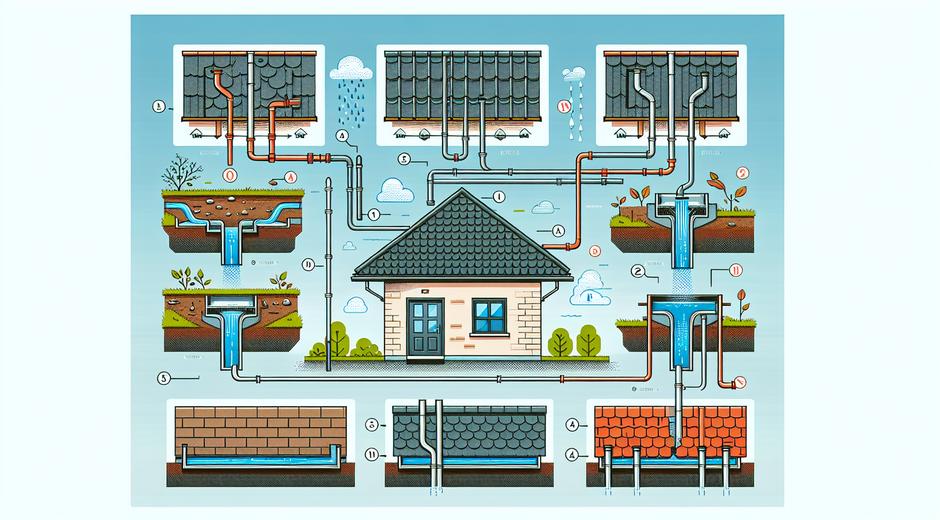
Long term prevention focuses on stopping water at the point of entry and controlling indoor humidity. Key strategies include proper external drainage to move water away from foundations installing or repairing gutters and downpipes and ensuring wall and roof flashings are intact. Internally use moisture resistant plaster sealants and paints designed for high humidity areas. Insulating walls properly can also reduce condensation risk by maintaining surface temperatures above the dew point.
Waterproofing and Damp Proof Measures
When rising damp is the problem consider damp proof courses or injection treatments that create a barrier against ground moisture. External tanking provides protection for basements and below ground structures. Use breathable renders on older masonry so trapped moisture can escape through evaporation rather than being sealed in. For masonry walls repointing with suitable mortar improves weather resistance.
Material and Product Choices
Select materials that help manage moisture. Use cement free breathable plasters for historic walls and moisture resistant boards in wet rooms. Paints that resist mold and allow vapor transmission provide a long lasting finish. When choosing tools and monitoring devices shop from trusted suppliers and compare specifications. For product recommendations and tools visit Museatime.com for options on meters and dehumidifiers that match professional standards.
Ventilation and Climate Control
Proper ventilation is one of the most cost effective ways to control wall moisture. Install extractor fans in bathrooms and kitchens consider mechanical ventilation with heat recovery in airtight homes and use timers to ensure adequate air exchange after activities that produce moisture. Maintain indoor humidity between twenty five and fifty percent for comfort and to prevent mold formation.
Routine Maintenance Checklist
Establish a routine maintenance schedule. Inspect roofs gutters and downpipes twice a year keep external ground levels below internal floor heights and check for blocked air bricks or vents. Look for new cracks in finishes and address them promptly. Regular maintenance prevents small issues from becoming major repairs and supports long term Wall Moisture Control.
When to Call a Professional
If moisture persists despite basic steps call a specialist. A building surveyor or damp proof contractor can diagnose complex problems and recommend treatments such as cavity drainage chemical damp proof courses or structural repairs. Professionals can also advise on the best materials for repair and how to balance damp management with breathability in older properties.
Practical Case Study and Results
A common scenario involves a ground floor wall with damp rising from poorly drained soil. After clearing and extending the external drainage installing a bypass gutter and injecting a damp proof treatment the wall dried within weeks. The owner then applied a mold resistant breathable render and improved ventilation. The result was a dry comfortable room and lower heating demand. For further repair guidance and services explore our resources at fixolix.com to find step by step instructions and recommended contractors.
Final Tips for Effective Wall Moisture Control
Consistent inspection quick action on leaks and thoughtful upgrades to ventilation and insulation are the foundation of long lasting Wall Moisture Control. Use appropriate materials for your property age and type and invest in simple monitoring tools to detect issues early. With planned maintenance and targeted repairs you can protect your building and ensure healthy indoor air for occupants.
Wall Moisture Control is achievable with the right combination of diagnosis prevention and maintenance. Start with a careful inspection adopt sensible ventilation and drainage measures and consult professionals when needed. Effective moisture management saves money improves health and preserves the integrity of your property.