

Wall Primer: The Essential Guide to Perfect Paint Results
Choosing the right wall primer is one of the most important steps in any painting or fixing project. A proper wall primer prepares surfaces for paint, improves adhesion, seals porous materials, and can save time and money by preventing common problems such as peeling and uneven coverage. Whether you are fixing a small room or managing a large renovation, understanding wall primer will help you achieve a long lasting finish. For more tips on repair and maintenance visit fixolix.com where you can find a wide range of guides for every fixing category.
What is a Wall Primer
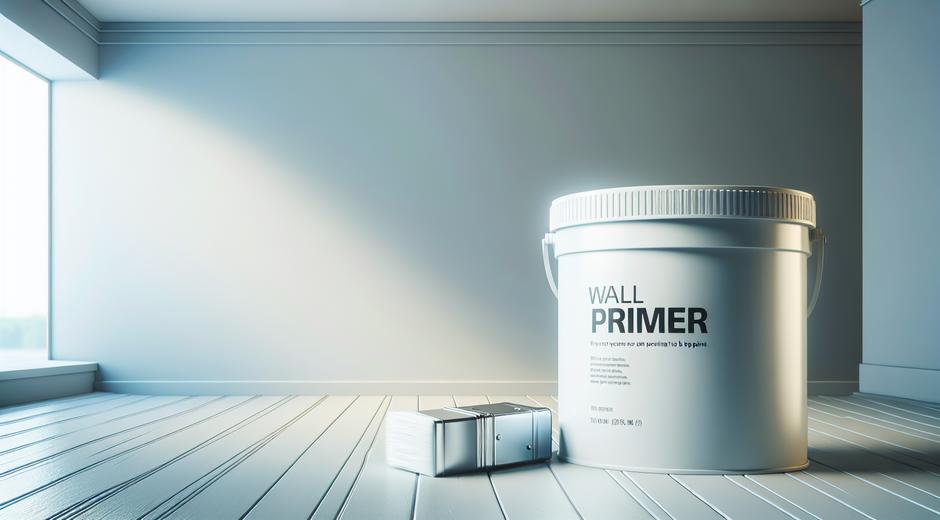
A wall primer is a preparatory coating applied to interior or exterior wall surfaces before the final paint. It acts as a bonding layer that ensures the paint adheres uniformly and performs as expected. Primers can be water based or oil based. They are formulated to address specific surface issues such as stains, chalking, smoke damage, or old glossy finishes. Using a primer improves the durability of the paint system and often reduces the number of top coats required to achieve full coverage.
Why Use a Wall Primer
There are several clear reasons to include a wall primer in your painting process:
- Enhances adhesion so paint clings to the surface rather than peeling or flaking
- Seals porous surfaces like new plaster drywall or masonry to prevent uneven absorption
- Blocks stains from water smoke rust or tannins from wood so they do not bleed through the top coat
- Reduces the amount of top coat needed to achieve full color and coverage which can save time and paint cost
- Improves overall durability and helps maintain a uniform look over time
Types of Wall Primers
There are many primer formulas designed to address specific needs. Understanding the most common types helps you select the right product.
- Water based primers These are low odor quick drying and easy to clean up. They work well for most interior drywall and plaster jobs
- Oil based primers These provide excellent sealing and stain blocking especially for water damage smoke and tannins from wood
- Shellac based primers Known for their superior stain blocking and fast drying time though they require solvent cleanup
- Masonry primers Specially formulated for concrete and brick to improve adhesion and resist efflorescence
- Bonding primers Designed to adhere to difficult surfaces such as glossy paint tile or certain plastics
How to Choose the Right Wall Primer
Selecting the best primer depends on the condition of the surface and the type of top coat you plan to use. Follow these guidelines for a smart choice:
- Assess the surface Is it new drywall old paint stained or masonry
- If stains are present choose a primer with strong stain blocking capability such as oil based or shellac based formulas
- For painted glossy surfaces use a bonding primer to avoid sanding for long periods
- Match the primer base to the top coat For example use a water based primer with a latex paint when possible to avoid compatibility issues
- Consider environmental factors If you need low odor choose a low VOC water based primer
How to Apply Wall Primer
Applying primer correctly is as important as choosing the right product. Follow these steps for the best result.
- Prepare the surface Clean away dirt grease and loose paint. Sand glossy areas to promote adhesion and fill holes or cracks with a suitable filler
- Repair and sand Once the filler is dry sand smooth and remove dust using a tack cloth
- Choose the correct tools Use a quality brush for corners and trim and a medium nap roller for broad wall areas
- Apply evenly Start with a cut in along edges then roll large sections using a W pattern to ensure full coverage
- Follow drying times Respect the manufacturers recommended dry time before applying paint This prevents surface defects and ensures proper bonding
Common Mistakes to Avoid
Even simple primer jobs can go wrong. Avoid these common errors to protect your finish.
- Skipping primer entirely on porous new surfaces This leads to uneven paint absorption and poor coverage
- Applying primer too thin A thin coat may not seal stains or even out the surface leading to more top coats
- Using the wrong primer for the surface For example using a standard water based primer on severe smoke damaged walls can allow stains to reappear
- Not allowing enough dry time Rushing the system can trap moisture or solvents under the paint and cause later failure
- Painting over dirty or oily surfaces Always clean thoroughly before priming
Tips for Specific Surfaces
Different walls require different handling. Use these targeted tips for common situations.
- New drywall Use a drywall primer or all purpose latex primer to seal paper and joint compound and create a uniform base
- Previously painted walls If the old paint is in good condition a bonding primer can solve adhesion issues if paint is peeling remove loose areas and prime bare spots
- Plaster Allow new plaster to cure and use an alkaline resistant primer if moisture or high pH is a concern
- Masonry Use a masonry primer to resist moisture migration and efflorescence
Maintenance and Long Term Benefits
Using a wall primer is an investment in the lifespan of your paint. Properly primed walls resist stains and wear and maintain color uniformity for years. Surfaces that are sealed will also be easier to clean. If touch ups are needed later the transition is smoother and less visible when a good primer was used initially. For ongoing projects and reference materials you can consult outside sources for detailed testing and performance data. A helpful resource for product review and analysis is available at Newspapersio.com which covers a range of topics useful to anyone working on home improvement tasks.
Environment and Safety Considerations
Many modern primers are low VOC and safer for indoor use. When working in confined spaces ensure adequate ventilation and use appropriate protective gear such as gloves and eye protection. For oil based and shellac based primers take care to follow disposal guidelines for solvents and contaminated cloths to avoid spontaneous combustion and environmental harm.
Final Checklist Before You Paint
Before applying your top coat run through this checklist to ensure the best possible end result.
- Surface is clean dry and free of loose material
- All repairs are sanded smooth and dust removed
- Primer type matches surface and top coat compatibility
- Primer has been applied evenly and allowed to dry fully
- Tools are clean and ready for the top coat application
Conclusion
Wall primer is a foundational element of any successful painting or fixing project. It improves adhesion seals problematic surfaces blocks stains and provides a consistent base for color and finish. Taking the time to choose the right primer and apply it correctly will yield a more durable professional looking finish and can reduce the need for frequent maintenance. For more repair ideas step by step guides and material recommendations visit our home of fixing resources at fixolix.com and consult expert product reviews when selecting materials.