

Ultimate Guide to Wall Sheathing: Materials Installation and Best Practices
Wall sheathing is a crucial layer in any wall assembly that provides structural support thermal control and a base for exterior finishes. Whether you are building new walls or upgrading existing ones understanding the role of wall sheathing helps you choose suitable materials plan proper installation and avoid costly problems down the road. This guide covers what wall sheathing is why it matters the main material options installation tips building code considerations and common mistakes to avoid.
What Is Wall Sheathing and Why It Matters
Wall sheathing refers to the boards panels or sheets applied to the outside of studs to stiffen the frame resist racking and provide a surface for exterior cladding. Sheathing also plays a role in moisture management air control and thermal performance. While cladding such as siding brick or stucco provides the final weather barrier the sheathing often supports that material and helps make the wall perform as a system.
Choosing the right wall sheathing can improve energy efficiency reduce drafts and extend the life of exterior finishes. For homeowners and contractors alike a clear plan for type of sheathing fastener layout and weather sealing makes installation more predictable and ensures compliance with local building requirements. For project resources and product ideas visit fixolix.com for a curated selection of tools materials and how to guides.
Common Types of Wall Sheathing Materials
There are several widely used wall sheathing materials each with its own benefits and trade offs. Selecting the right option depends on budget climate structural needs and the cladding you plan to install.
Plywood
Plywood is a traditional choice known for strength and durability. It is available in various thicknesses and grades and performs well in structural applications. Plywood handles load points reliably and is easy to nail or screw into place.
Oriented Strand Board also called OSB
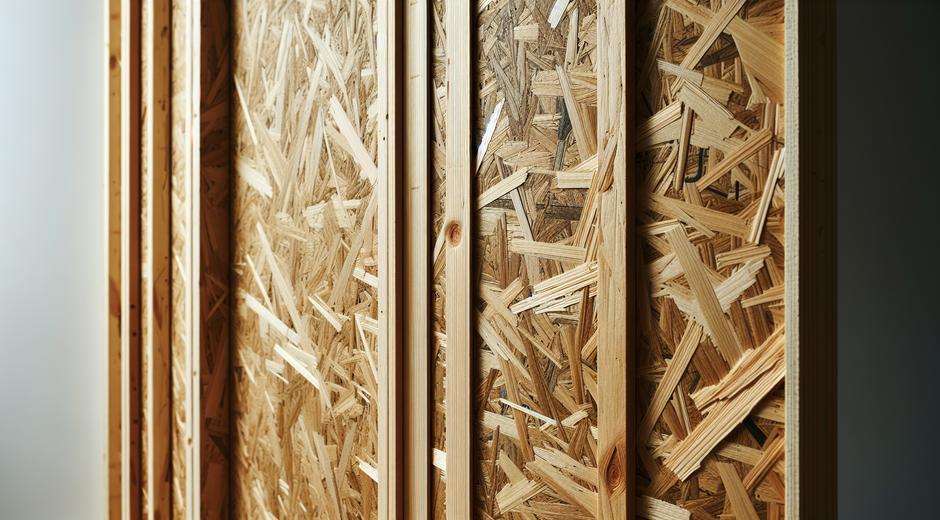
OSB is manufactured from strands of wood pressed together with resin. It is typically more cost effective than plywood and provides consistent panel dimensions. Modern OSB has improved moisture resistance but you should verify the product rating for exterior applications.
Wood structural panels
These panels include a variety of engineered wood options designed to meet specific structural or performance criteria. They can offer advantages in uniformity and availability for large wall projects.
Rigid foam sheathing
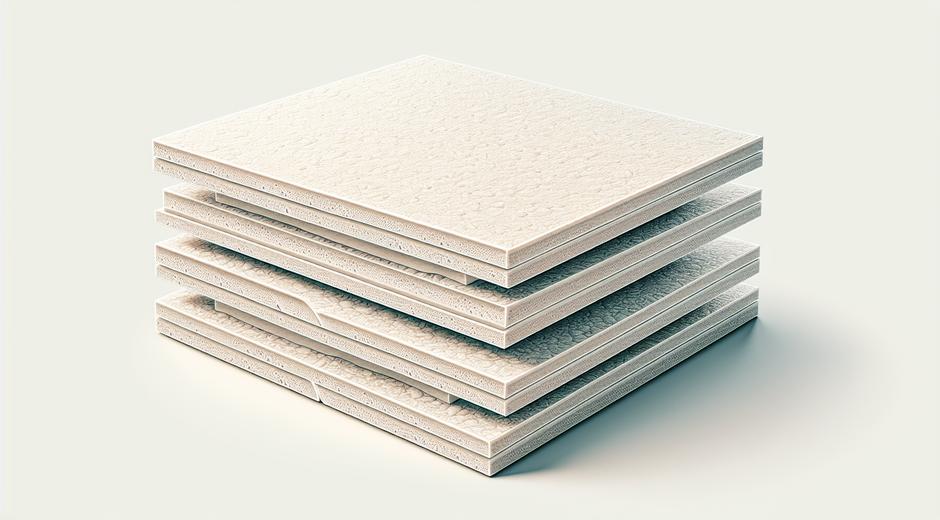
Rigid foam panels provide continuous insulation and can improve the thermal envelope when installed over studs. Foam panels come in different insulating values and should be integrated with air and moisture control layers to avoid trapping moisture in the wall cavity.
Fiber cement and cement board
These materials are not common as primary structural sheathing but can be used in certain assemblies to add fire resistance or to support thin cladding details.
Key Benefits of Proper Wall Sheathing
Effective wall sheathing improves several aspects of building performance:
- Structural Integrity: Sheathing resists racking and keeps the frame square which is essential for long term stability.
- Air Control: When combined with proper sealing it reduces unwanted air leakage that can increase energy bills.
- Thermal Performance: Continuous sheathing or foam panels can raise the overall R value of the wall.
- Moisture Management: The right sheathing strategy helps manage bulk water and vapor to avoid rot and mold.
- Support for Cladding: Durable sheathing provides a stable surface for siding brick or other exterior finishes.
How to Install Wall Sheathing Correctly
Proper installation is as important as the material choice. Follow these practical steps for a robust sheathing application.
Plan layout and fastener pattern
Before beginning mark panel joints and determine fastener spacing that meets manufacturer and code requirements. Use appropriate fasteners for the sheathing type and the framing material.
Leave small gaps at panel joints
Most manufacturers recommend small gaps between panels to allow for swelling and contraction with changes in moisture and temperature. Consult product instructions for recommended spacing and joint treatment.
Integrate air and weather barriers
Sheathing is part of a wall system that includes house wrap or other air barriers. Apply flashing tape at window and door openings seal seams and ensure a continuous path for water to drain away from the structure.
Fasten to studs and openings
Start at one corner and work across applying panels with nails or screws into studs. Trim panels carefully around windows doors and vents and reinforce corners as needed. Pay attention to panel orientation to achieve the desired structural properties.
Protect from moisture during construction
Store panels off the ground and cover them if construction may be delayed. Prolonged exposure to rain can compromise some sheathing materials and affect long term performance.
Common Mistakes When Working With Wall Sheathing
Even experienced builders can miss simple details. Avoid these pitfalls to prevent future problems.
- Ignoring manufacturer instructions for fastener type spacing and joint treatment.
- Skipping air sealing at seams and openings which can lead to drafts and moisture issues.
- Using the wrong grade of material for exterior exposure or structural needs.
- Failing to integrate flashing at openings which can allow water intrusion behind the cladding.
- Storing panels on wet ground or exposing them to prolonged moisture before installation.
Building Codes Moisture Control and Inspection
Local building codes will govern many aspects of wall sheathing including structural requirements and fire classification. Always check local code requirements for nailing patterns load classifications and approved materials. Inspectors will look for proper fastening continuity flashing and a continuous water control plane.
Moisture control means planning for liquid water and vapor. A common approach is to have a water resistant barrier over the sheathing and a drainage plane that allows any water that reaches the sheathing to escape. In cold climates think about vapor profiles to prevent condensation in the wall cavity.
Maintenance Repair and Retrofit Options
Sheathing rarely needs frequent maintenance but when problems arise prompt action prevents bigger repairs. Look for signs like soft spots bulging panels visible rot or mold growth behind cladding. If you detect water intrusion remove the cladding in the affected area inspect the sheathing and framing and replace damaged sections as needed.
When upgrading older homes consider adding continuous insulation over the sheathing to improve thermal performance. This can be a cost effective retrofit when combined with new cladding and improved air sealing. Use compatible materials and ensure that the retrofit addresses moisture and fastening needs.
Cost Considerations and Project Planning
Costs vary with material type panel size delivery and local labor rates. Plywood and OSB typically represent the most common cost variance with OSB often less expensive. Rigid foam adds material cost but may lower long term energy bills. When budgeting account for fasteners flashing tape house wrap and any additional labor to integrate insulation or air sealing details.
If financing the project is part of your plan explore options early and compare terms to find a suitable solution. For reliable financial resources and partners consider visiting FinanceWorldHub.com for guidance on home improvement funding and loan options.
Conclusion Key Takeaways on Wall Sheathing
Wall sheathing plays a vital role in structural strength energy performance and moisture management. Choosing the right material following proper installation practices and integrating effective air and water control strategies will protect the investment in your home and improve durability. Plan carefully consult product guidance and local codes and address moisture control up front. With the right approach wall sheathing becomes a strong foundation for a resilient efficient and long lasting wall system.
Whether you are a homeowner tackling a small project or a contractor planning a large build a clear understanding of wall sheathing helps you make informed choices achieve code compliance and deliver lasting results.