

Structural Connectors: A Complete Guide to Choosing Installing and Maintaining Secure Connections
Overview
Structural connectors are critical components in modern construction and repair work. They join beams columns rafters joists and other elements to transfer loads and maintain stability. Whether you are working on a residential deck a commercial frame or a repair project understanding connector types materials installation practices and maintenance needs helps ensure safe durable results. This guide explains everything a builder contractor or DIY enthusiast needs to know about structural connectors.
Why Structural Connectors Matter
Poor connections are a frequent cause of structural failure. Connectors provide predictable load paths and reduce stress concentrations in wood masonry and concrete assemblies. Using the right connector and installing it correctly increases the overall performance of the structure reduces long term maintenance and helps meet building code requirements. Good connections also help structures resist wind seismic and service loads effectively.
Common Types of Structural Connectors
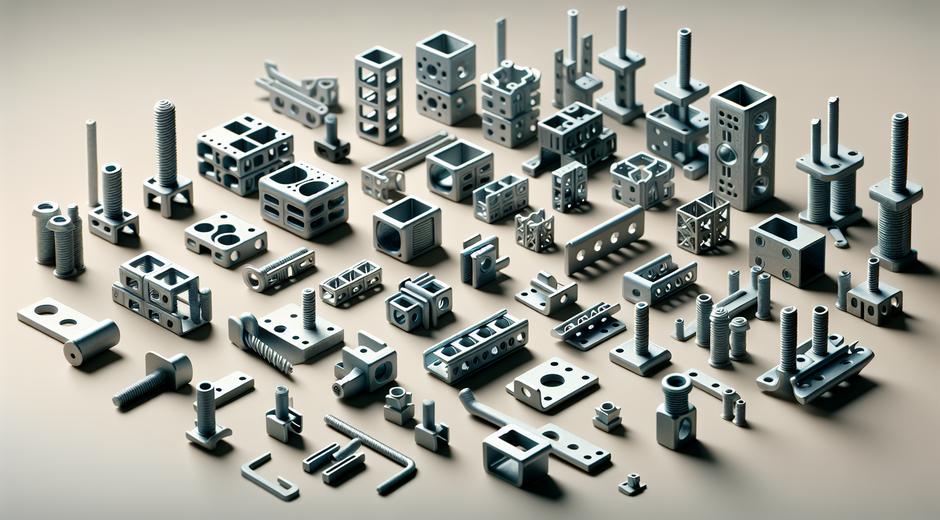
Structural connectors come in a variety of forms designed for specific uses. Knowing the common types and their purpose will help you select the right product.
- Joist Hangers These support joists at beams and ledger boards. They keep joists aligned and transfer shear and vertical loads into the supporting member.
- Angle Brackets Also called angle connectors these provide lateral and uplift resistance at beam to post and beam to beam connections.
- Post Bases and Post Caps Post bases anchor vertical posts to foundations or concrete while post caps tie posts to beams or girders providing uplift resistance.
- Tie Plates and Straps Flat plates and straps link members along their length for tension and shear transfer. They are common in roof and wall assemblies.
- Anchor Bolts and Wedge Anchors These transfer loads into concrete and masonry and are used to secure plates bases and sill plates.
- Specialty Connectors These include concealed fasteners shear transfer units and connectors designed for engineered timber systems such as cross laminated timber.
Materials Corrosion Protection and Fasteners
Connectors are typically made from steel stainless steel or other alloys. The material choice and coating determine corrosion resistance and suitability for environments such as coastal settings or treated wood contact.
Galvanized finish provides basic corrosion protection and is suitable for many interior and exterior applications. For harsh environments stainless steel is recommended because it resists corrosion and offers long service life. Hot dip galvanizing offers greater protection than electroplating for some use cases. Always follow manufacturer specifications for fastener type size and material. Using the wrong screw nail or bolt undermines capacity and voids warranties.
How to Select the Right Connector
Selecting the correct connector requires an understanding of load conditions building code requirements and material compatibility. Consider the following factors:
- Load Types Determine whether the connection must carry vertical shear lateral loads tension or uplift and choose a connector specified for those forces.
- Member Geometry Dimensions of beams posts and joists affect connector selection. Verify that the connector fits and provides the required clearances.
- Material Compatibility Avoid direct contact between dissimilar metals that can cause corrosion. Use isolation materials or compatible stainless steel products where required.
- Fastener Requirements Use only the fasteners specified by the manufacturer. Nail size nail type screw diameter and bolt grade all influence connector capacity.
- Environmental Exposure For coastal or chemically aggressive environments choose stainless steel or heavy zinc coatings for protection.
- Code and Manufacturer Guidance Always consult local code rules and manufacturer load tables to ensure capacity and compliance.
Installation Best Practices
Proper installation is as important as choosing the right product. Follow these practical guidelines to get reliable performance from structural connectors.
- Read the Manufacturer Instructions Manufacturer instructions include required fastener pattern torque and spacing. These details are essential for rated performance.
- Use the Right Fasteners Do not substitute smaller or different grade fasteners. Improper fasteners reduce capacity and may cause premature failure.
- Pre Drill if Required When using bolts or connecting to hardwoods pre drilling may prevent splitting and ensure correct alignment.
- Ensure Full Bearing Verify that plates and flanges bear fully on members to avoid local deformation and loss of capacity.
- Protect Against Moisture Avoid installing connectors in direct contact with soil or untreated wood. Use barriers sill seal or concrete encasement where practical.
- Torque Bolts Correctly Tighten bolts to manufacturer torque values. Over tightening can distort connectors under tightening can allow movement.
Inspection and Maintenance
Routine inspection helps detect corrosion loose fasteners movement and other issues before they become major problems. Inspect connectors at regular intervals and after severe events such as storms heavy snow or earthquakes.
Look for the following signs of concern:
- Corrosion on connectors and fasteners
- Loose or missing fasteners
- Deformation cracks or splits in connected members
- Evidence of water accumulation or rot near connections
When you find a problem assess whether repair or replacement is required. Often replacing corroded fasteners with the correct stainless steel or hot dip galvanized options solves the issue. For compromised wood members it may be necessary to replace or reinforce the member with new material and connectors rated for the expected loads.
Common Mistakes to Avoid
Even experienced installers can make mistakes that affect performance. Avoid these common errors:
- Using incorrect fastener types or sizes
- Ignoring manufacturer load tables and installation guidelines
- Installing connectors in contact with untreated soil or moisture prone zones without protection
- Mixing incompatible metals which can accelerate corrosion
- Failing to inspect after exposure to unusual loads or environmental events
Where to Buy and Additional Resources
Quality matters when selecting structural connectors. Buy from reputable suppliers and choose products from manufacturers that publish load tables installation instructions and corrosion guidance. For product reviews buying guides and repair articles visit fixolix.com where we cover a wide range of connectors fasteners and installation tips tailored to home and commercial projects.
For projects involving play sets decks or structures used by children it is wise to consult safety resources that focus on use and maintenance. An example resource for safe play area advice and general family safety guidance is CoolParentingTips.com. Combining construction best practices with user safety resources helps create spaces that are both strong and safe.
Final Thoughts
Structural connectors are small components that play a large role in the safety and longevity of built structures. Selecting the correct type using the right materials following manufacturer installation instructions and performing regular inspections keeps connections reliable over the life of a building or structure. Whether you are building a deck repairing a porch or engineering an advanced timber system attention to connector selection and installation will pay off in performance reduced maintenance and greater peace of mind.