

Interior Wall Finishes
Interior Wall Finishes shape the look and the feel of a space. From a smooth painted surface to a rich textured plaster, the finish you select affects mood, durability and maintenance. This guide covers the main finish options, how to choose among them and practical tips for installation and upkeep. Whether you are planning a small refresh or a full renovation, understanding finishes helps you make choices that deliver beauty and long term value.
Why the Right Finish Matters
The finish on an interior wall does more than look good. It protects the substrate from wear, hides or reveals surface flaws and can improve acoustics and indoor air quality. For high traffic zones you need a finish that stands up to cleaning and impact. For rooms with a focus on light and softness you might pick a finish that reflects light gently and feels inviting. Choosing a finish that fits the function of a room reduces costly repairs and improves longevity.
Common Types of Interior Wall Finishes
There are many finish types to choose from. Below are the most popular choices with their key benefits and typical uses.
Paint
Paint remains the most versatile finish. Latex based paints offer ease of use, fast drying and low odor options. Acrylic formulations provide flexibility and resistance to cracking. For areas that see heavy use choose a higher sheen for easier cleaning. Matte and flat paints hide surface imperfections, while eggshell and satin finishes balance durability and appearance. Proper priming is essential to ensure adhesion and an even final color.
Plaster and Veneer Plaster
Plaster finishes range from traditional lime plasters to modern gypsum based systems. Venetian plaster gives a polished marble like effect and can be burnished for a high sheen. Veneer plaster delivers a durable smooth surface that outperforms drywall in impact resistance. These finishes require skilled application but reward with depth and character that paint alone cannot achieve.
Textured Finishes
Texture adds interest and can mask uneven surfaces. Options include stomped textures, knockdown patterns and trowel textures. Textured finishes are common in ceilings and entry walls where hiding patch work is a priority. Keep in mind that heavy texture can trap dust and may be harder to clean.
Wallpaper and Wall Coverings
Modern wallpapers include vinyl coated papers, non woven materials and fabric backed options. Wallpapers can introduce complex patterns and tactile detail. Peel and stick products allow temporary updates with less commitment. When installing wallpaper ensure substrates are smooth and seams are well matched for a seamless final look.
Wood Panels and Veneers
Wood panels add warmth and natural grain. Options range from reclaimed wood to engineered veneer panels that minimize movement while delivering a real wood appearance. Wood absorbs sound and can create a cozy atmosphere in living rooms and bedrooms. Proper sealing protects wood from moisture and stains.
Ceramic Tile and Stone
Tiled walls are ideal for areas exposed to water and stains. Ceramic and porcelain tiles provide durability and easy cleaning for kitchens and bathrooms. Natural stone conveys luxury and texture but may require sealing and specialized maintenance. Use smaller grout joints for easier cleaning when hygiene is a priority.
Metal and Synthetic Panels
Metal panels and high performance laminates offer modern styling and exceptional durability. Metals like copper and stainless steel can be used as accents or full wall coverings in contemporary interiors. Synthetic panels come in many finishes that mimic natural materials while offering enhanced resistance to moisture and impact.
Natural Finishes
Clay plaster and lime wash appeal to those seeking natural materials and breathable walls. These finishes regulate humidity and are often low in volatile compounds. They require specific application methods but yield a soft matte surface that ages gracefully.
How to Choose the Best Finish
Selecting the right finish involves balancing aesthetics, function and budget. Consider the following factors.
- Room function and traffic: Choose durable and washable finishes for kitchens and hallways.
- Moisture and humidity: Pick moisture resistant materials for wet zones.
- Lighting: Matte finishes absorb light while glossy finishes reflect it and can highlight flaws.
- Maintenance: Some finishes need regular sealing or gentle cleaning while others can tolerate harsher cleaning methods.
- Budget and time: Skilled finishes like Venetian plaster cost more and need curing time while paint is fast and economical.
Preparation and Application Tips
Good results begin with preparation. Clean surfaces, remove loose material and repair cracks and holes. For new drywall apply a quality primer to control absorbency. When applying plaster or textured finishes follow manufacturer recommendations for mixing and cure times. For wallpaper use proper adhesive and ensure precise measurements for pattern matching. When in doubt about complex finishes consider hiring a professional to ensure a lasting result.
Maintenance and Repair
Different finishes need different care. Painted walls typically need touch ups and occasional washings with mild detergent. Textured walls may require gentle dusting and careful spot cleaning. Natural materials like wood and stone may need periodic sealing. For small gouges or chips match the original material and finish method for the best repair. Keep spare paint can labels and material data to help when future repairs are needed.
Cost Considerations
Costs vary widely. Basic paints are the most affordable and easiest to update. Wall coverings and panels add material and installation cost. High end plasters and natural stone are premium options. Factor in long term maintenance costs as well. A more durable finish may have a higher initial cost but lower maintenance expense over time.
Trends and Design Ideas
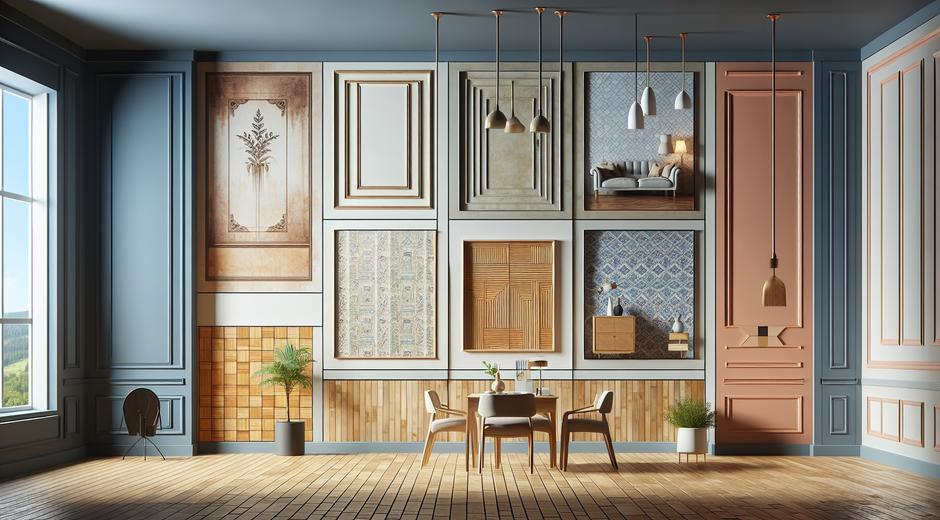
Current trends favor textured finishes that add depth, natural materials that promote wellness and matte paints for a soft modern look. Accent walls remain popular for adding focal points without overwhelming a space. Mixing finishes within a room can highlight architectural features and create visual contrast. For inspiration combine classic materials with contemporary colors to achieve a timeless outcome.
Where to Learn More and Get Help
If you need practical guides and a range of repair resources check the main resource hub at fixolix.com for step by step articles and material recommendations. For design inspiration and guidance on choosing color and texture you may also find useful articles on the partner site FocusMindFlow.com that explore style trends and visual strategy.
Final Thoughts
Choosing the right Interior Wall Finish is a balance of function, aesthetics and cost. Take time to assess the needs of each room, sample materials in your lighting and plan for maintenance. Proper surface preparation and the right installation method are essential to achieve a finish that looks great and lasts for years. With the right choices your walls can become one of the most powerful design elements in your home or workspace.