

Roof Sealing Methods
A well sealed roof is the first line of defense against water damage loss of energy and structural decay. This article covers proven Roof Sealing Methods that professional contractors and informed homeowners use to extend roof life improve insulation and stop leaks before they start. Whether you own a flat roof or a pitched roof this guide will help you choose the right method for your budget and roof type.
Why Roof Sealing Matters
Roof sealing is more than a repair task. It is a preventative strategy that keeps moisture out protects interior finishes and reduces energy costs by improving thermal performance. Water intrusion causes mold growth wood rot and insulation failure. Proper sealing can avoid costly repairs and maintain the resale value of your property. For those who want more resources about home care and repair methods visit StyleRadarPoint.com for related content and guides.
How to Choose the Right Roof Sealing Method
Selecting the right method depends on several factors. Consider roof material slope climate age of the roof and existing damage. A method that works for a metal roof in a temperate climate may not suit an older shingle roof in a region with heavy snow. It is essential to inspect the roof for trapped debris loose flashings and areas where water pools during rain. A careful inspection will guide whether spot repairs or a full roof sealing is appropriate.
Surface Preparation for Effective Sealing
Surface preparation is the foundation of a long lasting seal. Proper preparation increases adhesion and prevents premature failure. Steps include cleaning the surface removing moss and algae and replacing weak or rotted sections. For many materials a power wash will remove dirt and loose granules. Allow the roof to dry fully before applying any sealing product. If you notice rust on metal or cracking on membranes address those issues first with a compatible primer or repair compound.
Common Roof Sealing Methods
Below are the most common methods organized by roof type. Each method has distinct advantages and is best suited for certain conditions.
Liquid Applied Coatings
Liquid applied coatings offer a seamless protective layer that bonds to the roof surface. These coatings come in acrylic silicone or polyurethane formulations. Acrylic is cost effective and has good UV resistance. Silicone based coatings provide excellent ponding water performance and long term flexibility. Polyurethane options offer strong abrasion resistance which is useful for roofs that experience foot traffic. Apply coatings with a roller brush or sprayer following the manufacturer cure time. Liquid coatings are ideal for flat roofs and low slope roofs where seams or fastener penetrations need a secure barrier.
Roof Membrane Overlays
For roofs with extensive wear or poor substrate condition an overlay with a membrane can be the best solution. Membranes come in rubberized PVC or TPO options. They provide a continuous barrier and are often available in large sheets to minimize seams. Installation requires precise measuring cutting and secure flashing at edges and penetrations. Membrane overlays are often chosen for commercial roofs and for homeowners seeking a durable long term solution.
Sealants and Caulking for Detail Work
Sealants and caulking are used for targeted sealing around chimneys vents skylights and flashing edges. Choose a high quality product that matches the substrate. Silicone based sealants are flexible and water resistant but may not adhere well to all materials. Polyurethane based sealants often provide stronger adhesion on varied substrates. Apply in dry conditions and smooth the bead to ensure a complete bond. Regular inspection of these details will prevent small leaks from becoming major issues.
Metal Roof Sealers
Metal roofs require special attention to seams and fastener points. Use a compatible primer to prevent corrosion and then apply a coating that remains flexible with thermal movement. Some coatings include rust inhibitors which help extend lifespan. If fasteners are loose replace them and use appropriate washer seals to prevent leaks. For large metal roofs consider a full roof coating to maintain uniform protection and reduce heat transfer into the building.
Roof Cement and Asphalt Based Methods
Traditional roof cement and asphalt based materials remain popular on certain types of roofs particularly on older shingle systems and flashing repairs. These products are easy to apply and can fill gaps and cracks effectively. They are best for spot repairs and small areas. For broad coverage they may become brittle over time especially in climates with wide temperature swings. Consider combining asphalt based repairs with a top coat for added protection.
Advanced Methods and New Technologies
Innovations in sealing materials include cold applied adhesives reflective coatings and self healing membranes. Reflective coatings reduce heat absorption and can lower energy bills in hot climates. Cold applied adhesives reduce the need for hot works and special equipment making installation safer. Self healing membranes incorporate materials that swell on contact with water to seal small punctures. These technologies often cost more up front but deliver strong long term value through reduced maintenance.
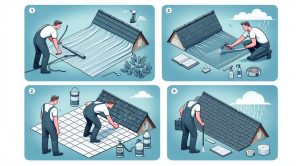
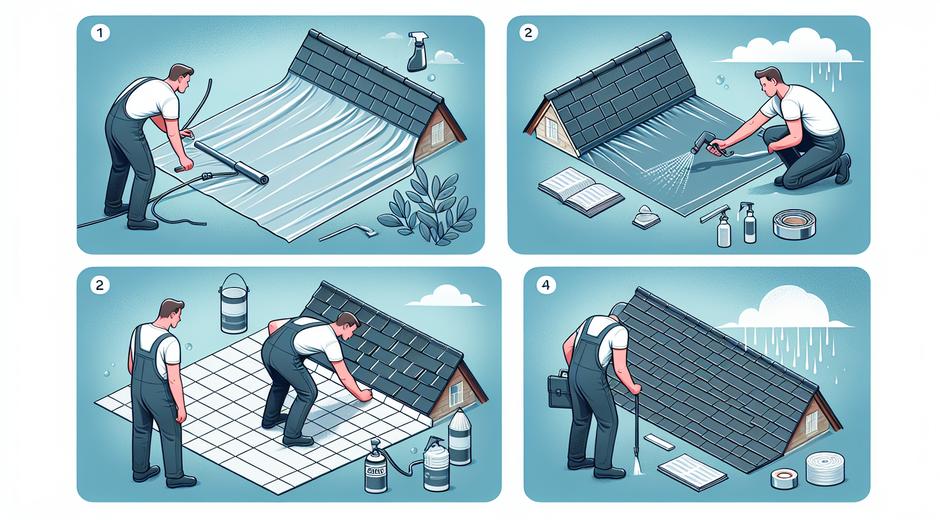
Step by Step Guide for a Typical Liquid Sealing Project
Follow these steps to ensure a successful sealing project when using a liquid coating method:
- Inspect the roof for damage and document problem areas
- Clean the surface removing debris moss and loose particles
- Repair rotten wood rusted metal and large cracks with appropriate materials
- Prime the surface if recommended by the coating manufacturer
- Apply the coating evenly using a roller brush or sprayer
- Allow the specified cure time between coats and for full cure
- Inspect and touch up around penetrations and edges after curing
Maintenance After Sealing
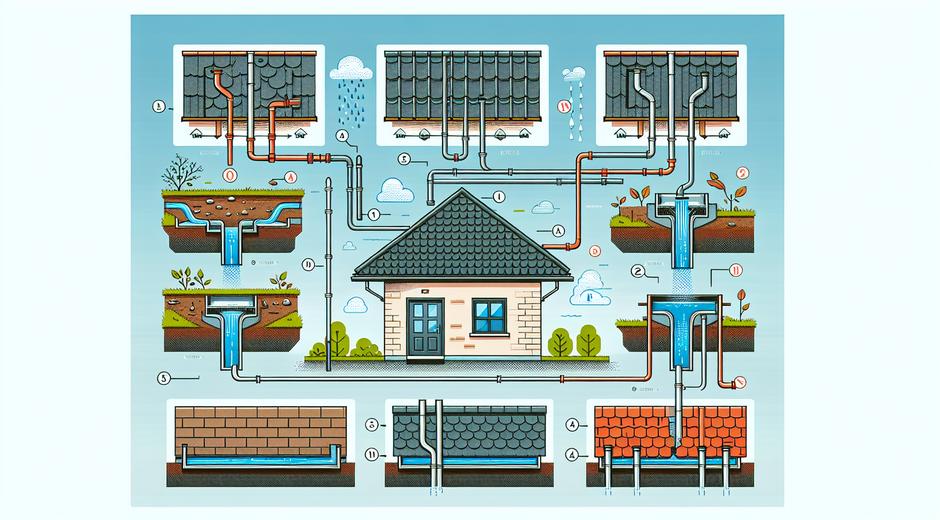
Sealing is not a one time fix. Regular maintenance extends performance and helps detect issues early. Inspect the roof twice a year and after major storms looking for pooling water tears and loose flashings. Clean gutters and downspouts to ensure proper drainage. Reapply coatings or perform spot repairs as recommended by the product manufacturer. A small scheduled inspection can save far more than a major restoration later.
When to Call a Professional
Some roof issues require professional diagnosis and repair. If you find extensive structural damage repeated leaks or the roof age suggests replacement consider consulting a licensed roofer. Professionals can perform a full assessment and recommend whether a seal coating overlay or full replacement is the most cost effective choice. For ongoing home care tips and a resource hub about repair methods visit fixolix.com where you will find articles guides and tools to help with planning and project execution.
Cost Considerations and Return on Investment
The cost of sealing varies with materials roof size and local labor rates. Basic coatings can be highly economical and deliver substantial return by preventing leaks and reducing energy costs. More advanced membranes carry a higher initial cost but can add multiple years to roof life. Factor in potential energy savings warranty terms and the cost of deferred repairs when evaluating options.
Final Thoughts
Choosing the right Roof Sealing Method protects your property and extends the functional life of your roof. Proper inspection surface preparation product selection and maintenance are the keys to success. Whether you opt for a liquid coating a membrane overlay or focused detail repairs a well executed plan will prevent water damage and improve comfort. Use the guidance in this article to evaluate options and plan your next roof care project with confidence.