

Floor Sound Insulation
Why Floor Sound Insulation Matters
Floor sound insulation is a critical part of creating comfortable living and working spaces. Whether you are renovating an apartment, building a new home, or improving an office environment, controlling sound that travels through floors reduces stress and increases privacy. Impact noise from footsteps and moving furniture can be disruptive. Airborne noise from voices and equipment can travel through floor assemblies and make rooms less usable. Investing in effective floor sound insulation improves occupant comfort and adds value to a property.
Key Types of Noise That Floors Need to Handle
Understanding the different types of noise helps you select the right floor sound insulation strategy. Two main categories matter most. Impact noise is caused by direct contact with the floor such as walking or dropping objects. Airborne noise moves through the air and includes voices, music, and mechanical sounds. Floor sound insulation solutions target one or both of these noise types. In many projects a combination approach yields the best results.
Common Floor Sound Insulation Materials
There are many materials designed to reduce noise transmission through floors. Each material has strengths that suit certain floor constructions and budgets.
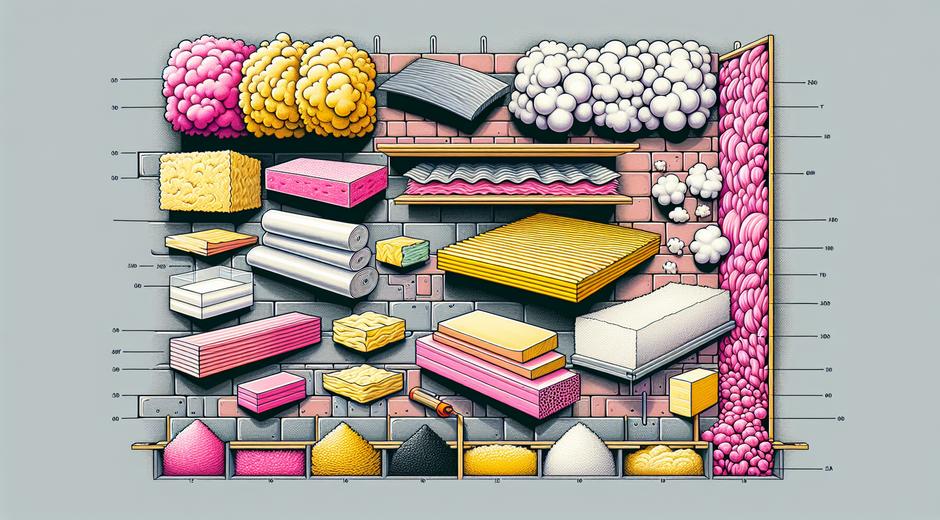
- Underlayment foam and rubber mats absorb impact noise and are commonly used beneath tile laminate and engineered wood floors.
- Cork offers natural noise reduction and thermal comfort for living spaces and is a renewable choice for eco aware users.
- Mineral wool and dense fiberglass are effective when placed between joists to reduce airborne noise traveling through a floor cavity.
- Carpet with quality pad remains one of the most efficient ways to limit impact noise in residential rooms.
- Specialty acoustic boards can be installed under floating floors to improve both impact and airborne performance.
Selecting a material depends on floor type, budget, and the level of performance needed. Many manufacturers publish sound performance values that help compare options.
How to Choose the Right Floor Sound Insulation
Selecting the right floor sound insulation requires a clear understanding of the existing structure and the type of noise problem you need to solve. For concrete slabs, impact noise often travels through the solid mass and a resilient underlayer combined with a floating finish can help. For timber framed floors isolating the floor finish from joists and adding absorptive material between joists reduces both impact and airborne transfer. Key factors to consider include compatibility with the floor finish, moisture conditions, ease of installation, and long term durability.
Practical Installation Methods
Correct installation is as important as material choice. Below are proven methods to improve floor sound insulation.
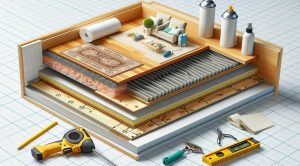
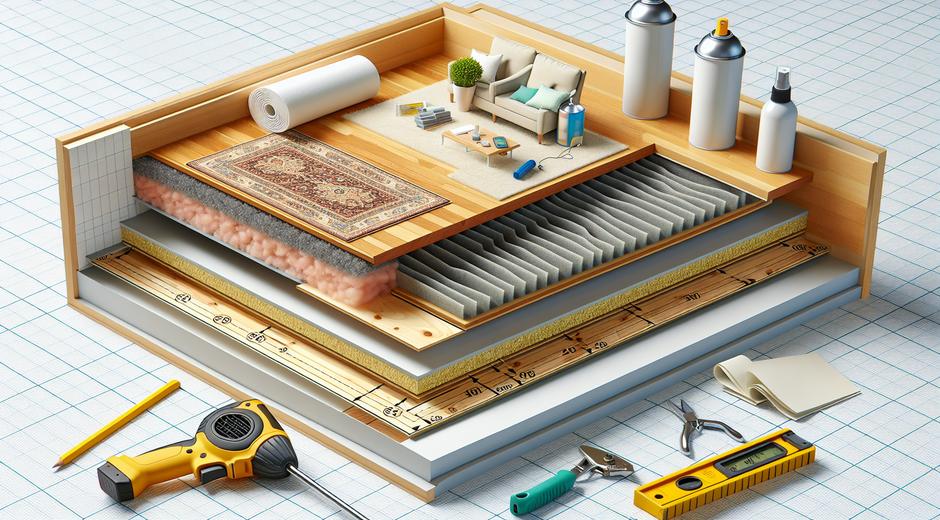
- Floating floor systems with an acoustic underlayer are effective on both timber and concrete subfloors. They isolate the wear surface from the structure that transmits noise.
- Directly fixed resilient underlay beneath tile or wood can reduce impact noise without adding significant height.
- Cavity insulation placed between joists reduces airborne noise that travels under the floor and into rooms below.
- Sealing perimeter gaps with flexible acoustic sealant prevents sound flanking around the insulated area.
Follow manufacturer guidelines for product coverage and joint treatment. Consider addressing associated elements such as staircases and service penetrations where sound can bypass insulation.
Cost Versus Performance
Cost will always be a factor. Low cost solutions like carpet and a good pad provide excellent impact noise control but may not suit all interiors. High performance layered systems with acoustic mats and boards deliver superior results at a higher price and may require professional installation. Evaluate the long term benefits including increased tenant satisfaction, reduced complaints, and potential added resale value. For many projects a balanced approach that combines effective materials with careful detailing gives the best return on investment.
DIY Versus Professional Installation
Simple upgrades like adding carpet or laying a foam underlayment under laminate are straightforward DIY projects. However for complex issues such as isolating timber joists, retrofitting acoustic cavity insulation or installing an advanced floating floor system, professional installation helps avoid mistakes that reduce performance. If noise issues are severe or legal building standards must be met, consult an acoustic specialist or licensed installer to ensure compliance and optimal results.
Maintenance and Long Term Performance
Most floor sound insulation products are low maintenance. Keep finishes clean and inspect edge seals and transitions annually. Ensure that any repairs maintain the acoustic continuity of the system. For floating systems check that expansion gaps remain clear and that sealants at perimeters are in good condition. Regular care extends the useful life of the installation and preserves sound reduction performance.
Environmental and Health Considerations
Choose materials that match your environmental values and indoor air quality goals. Natural materials such as cork or certified wool may be appropriate for occupants sensitive to chemicals. Many modern underlays use recycled rubber or foam that meets low emission standards. If sustainability matters, compare product life cycle and recycled content when making a decision. For product recommendations and eco resources consider visiting trusted home and garden sites for details on material sourcing and certifications.
Where to Find Trusted Guidance and Supplies
For detailed guides, step by step tutorials, and a wide range of repair categories visit fixolix.com where you can find articles that cover installation tips and product comparisons. If you are looking for natural material alternatives and sustainable product lines explore trusted suppliers such as BioNatureVista.com for eco aware options that perform well in real world settings.
Final Tips for Effective Floor Sound Insulation
Plan early. Address acoustic needs during design or before final finishes are installed. Use combined methods to tackle both impact and airborne noise. Pay attention to details such as perimeter seals and service penetrations. Test performance after installation by listening in adjoining spaces and by measuring if required. With correct material selection and careful installation floor sound insulation brings lasting improvements to comfort and privacy.
Whether you are upgrading a single room or planning a full renovation a well thought out floor sound insulation strategy yields measurable benefits. Start by diagnosing the real source of noise, choose materials that match your floor type, and follow installation best practices to maximize results.