

Baseboard Trim Complete Guide to Choosing Installing and Maintaining
Baseboard trim is a simple feature that makes a big impact on the look and durability of interior spaces. Whether you are updating a single room or renovating an entire home understanding baseboard trim options and installation basics will help you save time money and produce professional results. This guide covers material choices profile styles measurement and cutting techniques installation and finishing tips so you can pick the best approach for your project.
What Is Baseboard Trim and Why It Matters
Baseboard trim sits at the junction between floor and wall. It covers gaps protects wall surfaces from scuffs and moisture and creates a finished transition that enhances style. Good baseboard trim also hides uneven edges where flooring meets wall and can add visual height or weight to a room depending on its proportions. For these reasons baseboard trim is not only decorative but functional making it an essential element in interior finishing.
Common Materials for Baseboard Trim
There are several popular materials used for baseboard trim. Choosing the right material depends on budget climate and the look you want to achieve.
Wood is a traditional choice. Solid pine and oak are sturdy and take paint or stain well. If you prefer natural grain oak is a great option while pine offers a lower cost that is simple to paint.
MDF or medium density fiberboard is a manufactured option that is stable and affordable. It is easy to cut and paint and resists warping in stable indoor environments. For high moisture areas like bathrooms or basements consider moisture resistant variants or other materials.
Vinyl and PVC are water resistant and good for wet environments. These materials are low maintenance and can mimic certain profiles while offering strong durability against impact and moisture.
Styles and Profiles to Consider
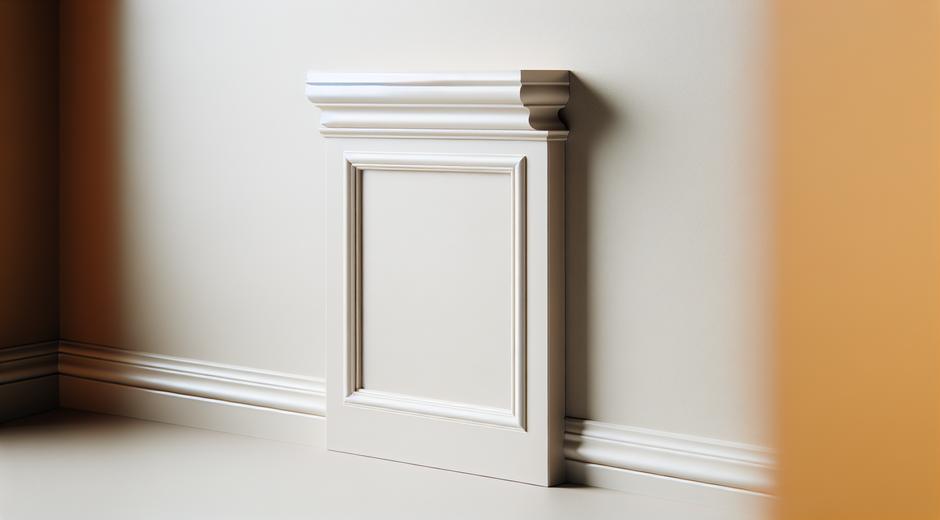
Baseboard trim comes in a wide range of profiles from simple square styles to ornate designs with multiple curves and tiers. A flat square profile creates a clean modern look while taller profiles add a traditional statement. Quarter round and shoe trim are accessories that help create a finished look where the baseboard meets the flooring. Select a profile that complements your moldings door casings and the overall architectural style of your space.
Measuring for Baseboard Trim
Accurate measurement is the foundation of a clean installation. Measure the perimeter of the room and add an extra allowance to account for waste and miter cuts. For rooms with many corners or odd angles take detailed notes and measure twice before cutting. Consider the height of the baseboard relative to furniture and outlets so the finish is balanced and visually pleasing.
Tools You Need
Gather the right tools to make the job efficient. Essential tools include a tape measure a miter saw or miter box for accurate angle cuts a nail gun or finishing nails and a level. For fitting and finishing you will need wood filler caulk a paintbrush and sandpaper. If you are new to these tasks watch basic tool safety and practice cuts on scrap pieces to build confidence.
Cutting and Joining Corners
Inside and outside corners require precise cutting to form tight joints. Miter cuts at the correct angle create clean joints but in many older homes walls are not perfectly square so scribing and coping are useful techniques to produce tight fits. Coping the end of one piece to match the profile of the mating piece often yields a nearly invisible seam on inside corners. Practice makes this technique accessible to most do it yourselfers and significantly improves the finished look.
Installation Process Step by Step
Start by laying out trim pieces along the wall to confirm fit. Secure baseboard trim to wall studs using a nail gun or finishing nails and countersink the heads slightly. Use construction adhesive sparingly in addition to nails for extra hold particularly for heavier pieces or when attaching to uneven surfaces. Join seams with wood filler and sand smooth before caulking along the top edge to close gaps and prevent visible cracks after painting.
If you prefer professional guidance there are many helpful resources online and local contractors who can install custom profiles. For general tips on sourcing materials and comparing options visit fixolix.com where you will find practical advice for a variety of repair and finishing projects.
Finishing and Painting Baseboard Trim
Quality finishing makes a big difference. Prime raw wood or MDF with a suitable primer before painting. Use paint formulated for trim which offers durability and easy cleaning. When painting allow adequate drying time between coats and use light sanding between coats for a smooth result. If staining wood apply pre stain conditioner on soft woods then stain and seal with a clear topcoat for protection and sheen.
Maintenance and Repair Tips
Maintaining baseboard trim is straightforward. Clean regularly with a soft cloth or mild soap and water for painted surfaces. For dents and scrapes fill with wood filler then sand and touch up paint. In high traffic areas consider higher profile trim or protective finishes to reduce frequent repairs. For loose sections re secure with nails and a bit of adhesive and then fill nail holes for a clean appearance.
Cost Considerations and Budgeting
Material choice and profile height influence cost. Basic MDF or vinyl options are budget friendly while solid wood and custom profiles increase cost. Factor labor if you plan to hire a professional and include extras such as shoe molding transitions caulking and paint. A well planned purchase reduces waste and helps keep the project on budget so measure carefully and buy a bit extra for contingency.
Design Tips for a Cohesive Interior
Match baseboard trim to door casings and crown moldings for a cohesive aesthetic. For contemporary spaces opt for simpler profiles and lighter heights. For classic interiors choose taller profiles with more detail. Always test a sample board painted in your chosen color and placed against the wall and floor to verify the look before buying large quantities.
Frequently Asked Questions
How tall should baseboard trim be? Height depends on ceiling height and style. Low ceilings pair well with modest heights while taller ceilings can carry taller profiles without feeling heavy.
Can baseboard trim be installed over existing trim? Yes in some cases new trim can be installed over old trim but this increases wall projection and may require adjustments to door casings and thresholds. Removing old trim yields the cleanest result and ensures a flat base for the new material.
Where to buy baseboard trim? You can source material from local lumber suppliers home improvement retailers and specialty trim shops. For curated guides and product recommendations that cover many repair categories check out trusted resources like Fixolix.com where you will find comparisons and buying tips.
Final Thoughts
Baseboard trim is a small investment that delivers a refined finish protects walls and adds lasting value. By choosing the right material and profile and following careful measurement cutting and installation steps you can achieve a professional appearance. Plan ahead gather the right tools and practice key techniques such as coping and caulking to ensure a durable and attractive result. With the right approach baseboard trim enhances both form and function in any interior.