

Building Joint Systems A Complete Guide for Contractors and Homeowners
What are Building Joint Systems
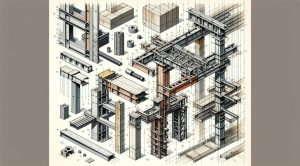
Building Joint Systems refer to the engineered assemblies that allow two separate building elements to move relative to one another and to resist environmental, structural and user induced forces. These systems play a vital role in preventing water ingress controlling sound transmission and accommodating thermal expansion and contraction. A well designed Building Joint Systems strategy protects building fabric extends service life and reduces maintenance costs.
Why Proper Joint Design Matters
Failure to plan for movement and sealing can lead to many problems including cracking corrosion mold growth and energy loss. Proper Building Joint Systems design ensures that joints can tolerate anticipated movement while maintaining a barrier against air water and contaminants. For those who manage building projects following best practice in joint design also helps meet regulatory requirements and enhances occupant comfort.
Key Components of Building Joint Systems
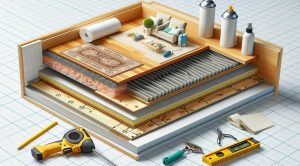
Building Joint Systems are made up of several components that work together to provide performance. Typical components include backup materials to control movement compressible fillers to absorb forces sealants to provide a continuous barrier and protective covers to shield the joint. Each element must be selected for compatibility with the others and for the environmental conditions it will face.
Types of Joints Commonly Found in Buildings
There are several categories that cover most needs found in construction projects. Expansion joints accommodate movement from thermal or seismic activity. Control joints limit the location of cracks in concrete and masonry. Curtain wall joints allow the facade to move relative to the structure. Floor to wall joints manage differential movement between slabs and vertical elements. Each category requires a tailored Building Joint Systems approach to ensure function and longevity.
Selecting Materials for Long Lasting Performance
Choosing materials for Building Joint Systems requires an understanding of expected movement range UV exposure chemical contact and maintenance access. Common sealant chemistries include silicone polyurethane and polysulfide each with different adhesion flexibility and weathering characteristics. Backer rods and bond breakers control seal depth and prevent three sided adhesion. In some applications preformed joint seals or metal cover plates provide robust protection and aesthetic appeal.
Tools and Preparation Techniques
Successful installation begins with inspection and substrate preparation. Surfaces must be clean dry and free from contaminants. Primers are often needed to promote adhesion. Correct joint geometry maximizes sealant performance so achieving the specified joint width and depth is crucial. The use of appropriate tooling ensures smooth tooling of the sealant to full contact with joint faces.
Installation Best Practices
A few practical rules deliver reliable results. Confirm the expected movement range and select sealant with adequate movement capability. Install a suitable compressible filler to prevent sealant sag and to control depth. Tool the sealant to ensure proper adhesion and to remove trapped air. Temperature and weather conditions matter so install within the manufacturer recommended range to avoid adhesion loss or improper cure. Attention to detail during installation reduces the need for early repair.
Inspection and Maintenance Strategies
Regular inspection prevents small issues from becoming major repairs. Inspect joints for signs of adhesion failure cracking or extruded material. Maintain a schedule for cleaning and re caulking where necessary to preserve waterproofing and energy efficiency. For complex projects a documented maintenance plan that records materials and installation details makes future repairs more accurate and cost effective. For practical resources and product guidance visit fixolix.com to find guides and checklists that streamline the process.
Testing and Quality Assurance
Testing is an integral part of Building Joint Systems delivery. Adhesion tests movement cycling tests and water infiltration tests validate performance under realistic conditions. Laboratory testing combined with on site mock ups provides confidence that the system will meet design life expectations. Quality assurance protocols should include trained installers manufacturer compliance and documented inspection before sign off.
Common Mistakes to Avoid
Many failures can be avoided by steering clear of typical errors. Selecting a sealant based only on initial cost rather than on movement capability environmental resistance and adhesion leads to premature failure. Poor surface preparation and inadequate bond breakers cause three sided adhesion which restricts movement and initiates tearing. Overlooking differential movement between materials of different stiffness can create unintended stress concentrations. Avoid these pitfalls by using validated design methods and by consulting technical resources such as those available at Fixolix.com which provide case studies solutions and product selection help.
Integrating Building Joint Systems into Project Planning
Early integration of Building Joint Systems into design and procurement reduces change orders and ensures that coordination between trades occurs smoothly. Architects designers and trade contractors should define joint locations select product families and allocate tolerances within construction documents. Including joint details in mock up reviews helps stakeholders visualize performance and identify potential conflicts before field installation.
Sustainability and Lifecycle Considerations
Sustainable building practice emphasizes durability and resource efficiency. Choosing Building Joint Systems with long service life low maintenance needs and recyclable components contributes to reduced environmental impact. Properly designed joints also protect insulation and building envelope components which enhances energy efficiency. Lifecycle cost analysis often shows that investing in higher performance materials saves money over the life of the building.
Conclusion
Building Joint Systems are an essential part of any durable and comfortable building. From proper material selection to careful installation and regular maintenance the choices made early in a project determine how well joints perform. By following best practices and using authoritative resources contractors and building owners can minimize risk extend service life and protect asset value. For practical tools specifications and product recommendations consult the resources linked earlier and make Building Joint Systems a planned element of every project.