

Concrete Curing Time: How Long Does Concrete Take to Reach Strength and Durability
What Is Concrete Curing and Why Concrete Curing Time Matters
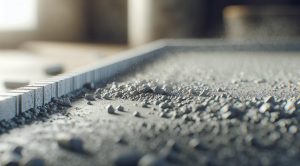
Concrete curing is the process that allows freshly placed concrete to gain strength and durability through continued hydration of cement particles. Proper curing keeps the concrete surface moist and at a favorable temperature so the chemical reactions between cement and water can progress. Understanding concrete curing time is essential for builders, contractors and DIY homeowners because inadequate curing reduces strength, increases permeability and shortens service life. This article explains realistic concrete curing time expectations and offers practical guidance to ensure your concrete achieves the performance you designed for.
Typical Concrete Curing Time Benchmarks
Concrete strength develops over time. While exact values depend on mix design and conditions these general benchmarks are useful for planning:
– After one day concrete may reach roughly 10 percent to 20 percent of its design strength.
– After three days many mixes reach about 30 percent to 40 percent of design strength.
– After seven days many ordinary portland cement mixes reach around 60 percent to 70 percent of design strength.
– After twenty eight days concrete is traditionally considered cured for design purposes and can reach 90 percent to 100 percent of intended strength.
These are guidelines. Certain cement types admixtures and cure conditions cause faster or slower strength gain. For structural work follow engineer specifications and testing where required.
Factors That Affect Concrete Curing Time
Several variables influence concrete curing time and strength gain rate:
– Water cement ratio: Lower ratio usually yields higher ultimate strength but requires careful curing to avoid surface drying. A higher ratio can increase early slump but reduce long term strength.
– Cement type: Rapid hardening cements and blends with calcium aluminate gain strength faster. Blended cements with slag or fly ash often gain strength more slowly at early ages but may provide better long term durability.
– Air temperature: Warm conditions accelerate hydration and shorten curing time. Cold conditions slow hydration and extend curing time. In very cold weather protective measures are needed to prevent freezing of fresh concrete.
– Curing moisture: Keeping the surface moist is critical. Without sufficient moisture the top layer can dry out and fail to develop strength.
– Admixtures: Accelerators speed early strength gain while retarders delay set and extend workable time. Chemical additions must be used per manufacturer guidance.
– Concrete thickness and aggregate size: Large mass pours retain heat and may cure differently from thin slabs. Thickness changes the temperature profile and moisture movement.
Best Practices for Controlling Concrete Curing Time
To achieve the intended curing performance follow these proven practices:
– Keep the surface continuously moist for at least seven days for normal portland cement concrete. For higher performance or exposure to aggressive agents extend curing to twenty eight days.
– Use wet coverings like burlap cotton mats or continuous water ponding to maintain moisture.
– Apply curing compounds that form a moisture barrier. Choose products compatible with later surface treatments.
– Protect new concrete from rapid temperature swings and direct sun by shading insulating or using wind breaks.
– In cold weather use heated enclosures or insulated blankets to maintain temperature and prevent frost.
– Consider using steam curing in precast production to accelerate strength gain when needed.
– Test concrete compressive strength with cylinders or cores to verify that it meets specified values before applying loads or constructing atop the surface.
How to Speed Up Concrete Curing Time Safely
When schedule pressure exists there are safe methods to accelerate curing while maintaining performance:
– Use an approved accelerator admixture to speed early hydration and gain early strength. Avoid excess dosage which can harm long term properties.
– Raise curing temperature within recommended limits. Controlled warm curing can shorten the time needed to reach form removal strength.
– Use supplementary cementitious materials that promote early strength if they are part of the original mix design.
– For precast elements consider steam curing or elevated temperature curing in a controlled environment.
Never attempt shortcuts that cause rapid surface drying. While early strength may increase the surface may become more brittle and crack when not properly cured.
How to Plan Work Based on Concrete Curing Time
Practical scheduling requires matching expected strength gain to the loads that will be applied:
– Form removal: Most forms for vertical members may be removed after the concrete reaches the specified removal strength. For many projects that occurs between 24 hours and a week based on the mix and temperature. Check project specifications.
– Light foot traffic: Many slabs are safe for light foot traffic after one day to two days but this depends on mix and weather.
– Equipment and vehicle traffic: Heavy loads may require waiting until compressive strength testing shows required capacity. For many structural slabs waiting twenty eight days or until testing confirms capacity is standard.
– Finishing and surface treatments: Some surface treatments require waiting until initial curing is complete. For example overlays adhesives or sealers often need the concrete to be fully cured or otherwise prepared.
Plan for contingencies such as unexpected cold or hot weather to avoid schedule slips that compromise curing.
Common Curing Mistakes and How to Avoid Them
Avoid these frequent errors that undermine concrete curing time and quality:
– Allowing the surface to dry too quickly. Use moisture retention methods immediately after finishing.
– Relying solely on visual cues. Concrete may look cured while internal hydration is incomplete. Use testing for critical structures.
– Removing forms too early. Structural loads can cause deflection or cracking if design strength is not achieved.
– Ignoring manufacturer guidance for admixtures and curing compounds. Improper use can reduce long term durability.
– Not protecting concrete from freezing in cold weather. Frozen hydration stops strength gain and can cause permanent damage.
Use checklists and site supervision to ensure curing steps are followed consistently.
Concrete Curing Time for Specialty Situations
Certain scenarios require modified curing strategies:
– High early strength mixes for rapid turnaround projects need strict control of temperature and moisture to avoid thermal cracking.
– Large mass pours generate heat as hydration occurs. Monitor internal temperatures and provide measures to control thermal gradients to prevent cracking.
– Cold weather pours may need insulated formwork temporary heaters or chemical accelerators to maintain curing progression.
– Moist environments may require extended curing to achieve low permeability and reduce risk of corrosion of embedded steel.
For unusual conditions consult a materials engineer to design a suitable curing plan.
Testing and Verifying Concrete Strength Over Time
To be sure your concrete has reached required strength use standardized testing:
– Cast and cure test cylinders following standard procedures and test compressive strength at set ages such as seven days and twenty eight days.
– Use nondestructive testing methods like rebound hammer or ultrasonic pulse velocity as supplemental checks.
– Where in place performance matters cores can be taken from hardened concrete and tested.
Documentation from testing reduces risk and supports decisions about loads and finishing.
Practical Resources and Where to Learn More
For detailed tutorials repair guides and product recommendations visit trusted sources in construction and repair. For site specific tools and articles you can start at fixolix.com which covers many practical aspects of building repair and maintenance. For related product listings and media resources consider checking Moviefil.com.
Final Recommendations on Concrete Curing Time
Concrete curing time is not a single fixed value but a function of mix design environmental conditions and intended use. Aim to provide moist and temperature controlled conditions for at least seven days for routine work and extend to twenty eight days where long term durability or exposure conditions demand it. Use proper curing techniques confirm strength with testing and follow manufacturer and engineer guidance when using additives or accelerated methods. With correct curing your concrete will reach the strength and durability required and serve its intended function for many years.