

Concrete Surface Prep: The Essential Guide for Durable Results
Concrete Surface Prep is the foundation of every long lasting concrete repair and coating project. Whether you are renovating a garage floor or preparing an exterior slab for a protective layer, proper surface prep dictates adhesion strength and final appearance. This comprehensive guide explains the why and the how of surface prep with practical steps you can follow on any job site.
Why Concrete Surface Prep Matters
Many failures of coatings and overlays trace back to incomplete or improper surface prep. Contaminants like oil, grease and old coatings create a barrier between new materials and the concrete. Even small amounts of dust, laitance or loose particles can compromise adhesion and speed up wear. Investing time in correct prep saves money and extends the life of the finished surface. For guidance on related repairs and tools consult resources such as fixolix.com that cover a wide range of fixing category topics.
Initial Assessment: Know Your Surface
Start every project with a careful assessment. Identify surface contaminants, existing coatings and the level of concrete damage. Use these checks as a baseline before you select cleaning and remediation methods. Key items to evaluate include bond strength of any existing coating, presence of efflorescence, visible cracks and whether the slab has moisture issues. Recording these findings helps produce a clear plan and avoids surprises during prep.
Chemical Cleaning Methods
Chemical cleaning can remove oil stains, rust and some types of residue that mechanical methods leave behind. Common options include alkaline cleaners for organic oils and mild acids for limited etch work. When using chemicals follow manufacturer guidelines and neutralize treated areas when required. Allow sufficient dwell time so contaminants break free from the surface and can be rinsed away. Chemical cleaning is often paired with mechanical agitation to improve results on stubborn stains.
Mechanical Surface Prep Options
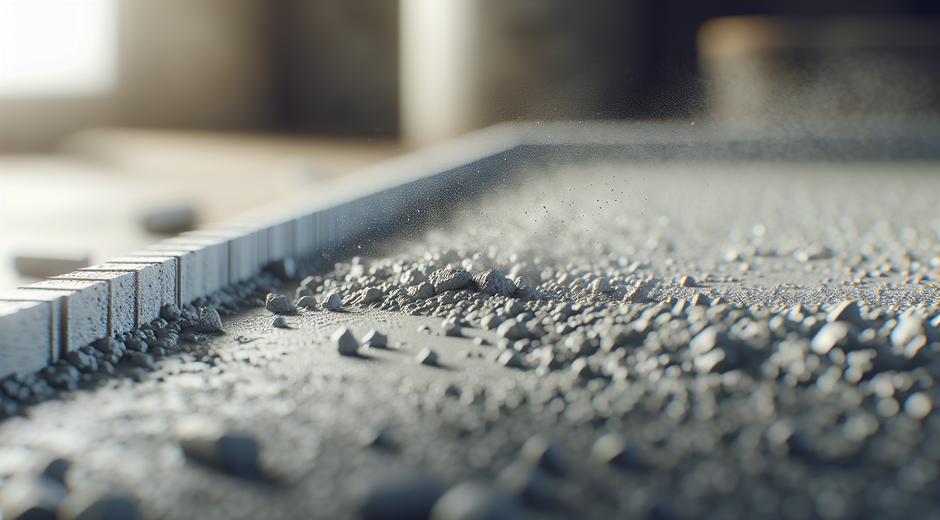
Mechanical methods are the most reliable way to achieve a profile that promotes strong adhesion. Tools include diamond grinding for smooth floors, shot blasting for heavy duty profile creation and scarifiers for thick coatings and rapid removal. Each method produces a different texture and removes specific layers. Choose grinding for precise profile control and shot blasting when you need deep cleaning and profile for overlays. Always remove dust and debris produced by mechanical work using industrial vacuum systems to leave the surface clean and dry.
Acid Etch and Alternative Etch Methods
Acid etch is a low cost option to open the concrete surface and remove light laitance. Use muriatic acid carefully and neutralize with baking soda solutions when work is complete. For interior projects or cases where acid use is impractical consider mechanical etch or commercial etch solutions that are safer and easier to control. Avoid acid if there are metal components near the surface or if the slab shows signs of active moisture because acid can react unpredictably with certain contaminants.
Moisture Testing and Its Importance
Moisture is a frequent cause of coating failure. Always perform moisture tests before applying moisture sensitive materials. Common methods include calcium chloride tests and relative humidity testing using probes. Interpret results in the context of expected use and manufacturer limits for adhesives or coatings. Correct any moisture issues before proceeding. Solutions can include slab drying, installation of vapor barriers or selection of moisture tolerant coatings when drying is not feasible.
Repairing Cracks, Spalls and Surface Defects
Address structural and cosmetic defects before final finishing. Clean cracks and remove loose material. Use suitable repair mortars or epoxy injections for structural cracks and polymer modified mortars for surface spalls. Feather edge repairs into the surrounding concrete and ensure the repair is cured to the correct strength before applying primers or coatings. Proper repair increases durability and prevents wide spread failure after finishing.
Profile and Finishing Requirements
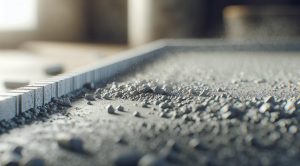
Different systems require specific surface profiles. Manufacturers often reference a profile scale to describe how rough the concrete should be. Match your preparation method to the profile needed. After creating the right profile, remove dust using a sequence of vacuuming and tack cloths where necessary. Any residual dust will reduce coating contact and lead to adhesion loss over time. For thin overlays and decorative toppings the profile must be consistent across the entire surface to ensure even wear and appearance.
Primers and Bonding Agents
Use primers to improve bond and seal porous surfaces. Primers penetrate and create a mechanical key for the topping or coating. Choose a primer compatible with both concrete and the system being applied. Follow temperature and moisture limits for the primer and allow correct cure time before installation of topcoats. When in doubt consult technical data sheets to confirm compatibility and application rates.
Safety and Environmental Best Practices
Surface prep can generate dust and fumes. Use proper respiratory protection and eye protection when grinding or blasting. Contain and collect dust to prevent inhalation and to protect adjacent areas. Dispose of waste material according to local regulations. If you work near public spaces protect pedestrians and nearby surfaces from debris and runoff. Planning for containment and cleanup reduces liability and improves site efficiency.
Common Mistakes to Avoid
Avoid rushing the prep phase. Common errors include skipping moisture testing, poor surface cleaning, insufficient profile and leaving contaminants on the slab. Also do not mix incompatible systems or apply coatings over unclean or damp concrete. Take time to choose the right tools and products for the job and follow application instructions closely. Good planning leads to predictable outcomes and prevents costly rework.
Case Studies and Inspiration
Many successful projects combine mechanical abatement with targeted chemical cleaning and careful repair. Outdoor patios transformed through thoughtful prep and decorative topping show how clean and keyed concrete enhances both aesthetics and durability. For creative project imagery and travel oriented design inspiration consider visiting TripBeyondTravel.com to see examples of outdoor spaces that blend structure and style.
Conclusion and Next Steps
Concrete Surface Prep is a critical skill for anyone tackling concrete repairs or coatings. A methodical approach that includes assessment, proper cleaning, mechanical profiling and moisture control yields results that last. Use manufacturer guidance for products and keep safety central to every stage. If you need more repair guides, tool reviews and practical how to techniques explore expert content at fixolix.com where a broad range of fixing category topics are covered.
Start your next project with a clear prep plan. Inspect the slab, select the right methods and allow adequate time for cleaning and repair. The extra effort you invest now will pay off in longevity and performance of the finished surface.