

Drain Trap Essential Guide to Function Maintenance and Repair
What is a Drain Trap
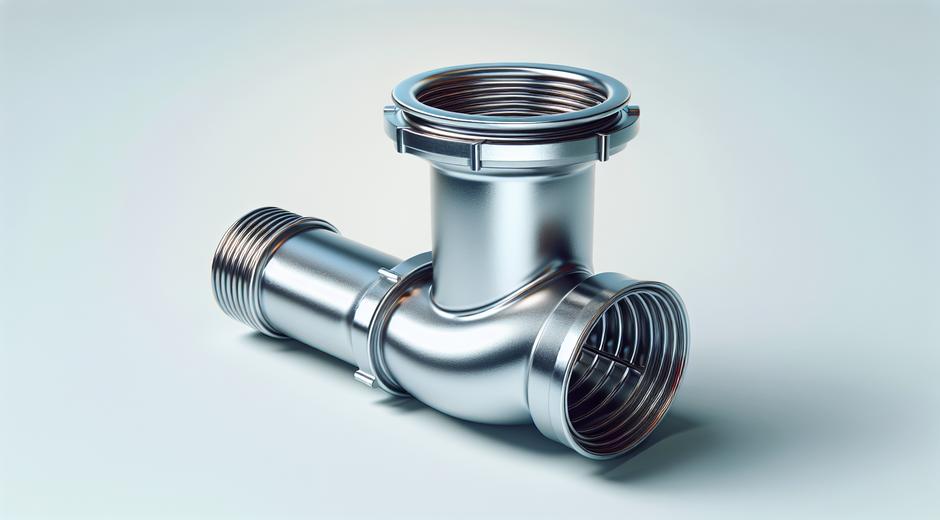
A Drain Trap is a curved section of pipe located below sinks showers and floor drains. Its primary role is to hold a small amount of water in its curve so sewer gases cannot travel back into living spaces. This simple component protects indoor air quality and helps maintain a healthy environment in kitchens bathrooms and utility areas. Understanding how a Drain Trap works is the first step to preventing common plumbing issues and prolonging the life of your drainage system.
Why Drain Traps Matter
Drain Traps serve two main functions. First they block sewer gases from entering your home. Second they capture solids and debris that could travel farther into the drainage system and cause blockages. When a Drain Trap fails to hold water or becomes clogged the result can be foul odors slow draining water or complete backups. Homeowners and property managers benefit from knowing how to inspect clean and when to replace a trap to avoid costly repairs.
Common Types of Drain Traps
There are a few common configurations you will encounter. The most familiar is the P trap found under sinks in kitchens and bathrooms. There is also the S trap often seen in older installations and the bottle trap that is more compact and used in modern vanity designs. Each type has its own installation details and maintenance needs. When planning a replacement choose a trap type that matches local code requirements and the setup of the drain line.
Signs Your Drain Trap Needs Attention
Watch for these indicators that a Drain Trap needs cleaning repair or replacement. Persistent foul odor near a fixture suggests the trap may be dry cracked or not sealing properly. Slow drainage often means the trap has accumulated debris or grease restricting flow. Water that backs up into the basin or shower is a sign of a severe clog possibly beyond the trap. Visible leaks under the sink or discoloration on cabinets point to worn seals or loose connections. Acting at the first sign of trouble reduces the chance of more extensive damage.
How to Clean a Drain Trap Safely
Cleaning a Drain Trap is a task many homeowners can perform safely with basic tools. Begin by placing a bucket under the trap to catch water and debris. Use adjustable pliers to loosen slip nuts that hold the trap in place. Carefully remove the trap and empty its contents into the bucket. Inspect the interior for buildup and use a bottle brush or a wire coat hanger to remove obstructions. Rinse the parts with warm water and mild soap then reassemble making sure all slip nuts are snug but not overtightened. Run water and check for leaks. If you encounter corrosion or cracked pipe sections replace those parts promptly.
How to Replace a Drain Trap
Replacement can be necessary when the trap is corroded cracked or constantly leaking. Measure the trap assembly and drain pipes to ensure you purchase the correct size. Turn off water to the fixture and remove the existing trap following cleaning steps. When installing the new trap make sure the trap arm aligns properly with the waste line and all seals or washers are seated correctly. Hand tighten slip nuts and then give a slight turn with pliers to secure. Test by running water and check for any signs of leak or misalignment. If the plumbing layout is unusual or if you must cut or repipe sections consider hiring a professional to guarantee a code compliant installation.
Preventive Maintenance for Long Term Performance
Simple routine actions help keep a Drain Trap functioning well. Avoid pouring grease or thick fluids down kitchen drains. Use drain strainers to catch hair soap scum and food particles. Periodically flush the trap with hot water to move residual soap and grease along. For stubborn odors pour a cup of baking soda followed by a cup of vinegar allow it to sit and then flush with hot water. Schedule regular inspections especially in rental properties or high use areas to catch small issues before they escalate. These steps extend service life and keep plumbing functioning efficiently.
Tools and Materials You May Need
Before starting any work on a Drain Trap gather the essentials. A bucket to catch water a pair of adjustable pliers a wire brush or bottle brush replacement washers and slip nuts plus plumber tape are often enough for common repairs. For tougher blockages a hand auger or a small drain snake can be effective. Purchase replacement parts that match the diameter and shape of the existing trap to avoid fit issues. Quality parts and proper tools reduce the risk of leaks after reassembly.
When to Call a Professional
Some situations require professional expertise. If you find recurring clogs that return shortly after cleaning or if multiple fixtures are affected there may be a blockage deeper in the main line. If you discover cast iron pipes that are heavily corroded or if sewer gases persist after trap replacement contact a licensed plumber. Complex repipe work or changes to the drainage layout often require permits and inspections which experienced professionals can manage. For ongoing maintenance guidance or to source parts and supplies visit fixolix.com where you will find clear guides and product recommendations for many common plumbing tasks.
Eco Friendly and Safety Notes
Choose cleaning solutions that are safe for pipes and the environment. Harsh chemical drain cleaners can damage some types of pipes and harm septic systems. Opt for mechanical cleaning with a brush or auger when possible. Wear gloves and eye protection when working with unknown debris and always ventilate the area if strong odors are present. Proper disposal of waste materials and old parts supports good environmental practice.
Choosing Fixtures and Planning for Remodels
When remodeling bathrooms or kitchens consider the trap type and accessibility for future maintenance. A compact bottle trap may look neat under a modern vanity but can be harder to clean than a P trap. Ensure adequate access panels in case the trap needs servicing. If you are traveling with design plans or seeking inspiration for a remodel visit trusted resources for ideas and practical tips on fixture selection and layout at TripBeyondTravel.com which offers a variety of articles on home projects and site planning.
Conclusion
A well maintained Drain Trap keeps your home odor free and your drains flowing. Regular inspection and simple cleaning extend service life and prevent emergencies. Know the signs that indicate the need for repair and keep a basic set of tools on hand for routine maintenance. When a problem is beyond basic cleaning do not delay seeking professional help. With the right knowledge and timely action you can keep your drainage system functioning smoothly for years to come.