

Roof Drainage Systems: Complete Guide for Homeowners and Professionals
Why Roof Drainage Systems Matter
Roof Drainage Systems are a critical element of building design and maintenance. Proper drainage protects structural elements, prevents water entry into living spaces, and reduces the risk of mold and material decay. Whether you manage a single family residence or a large commercial facility, understanding the principles that govern roof drainage will save money and reduce repair time over the life of the building.
Common Types of Roof Drainage Systems
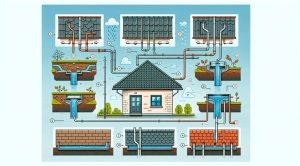
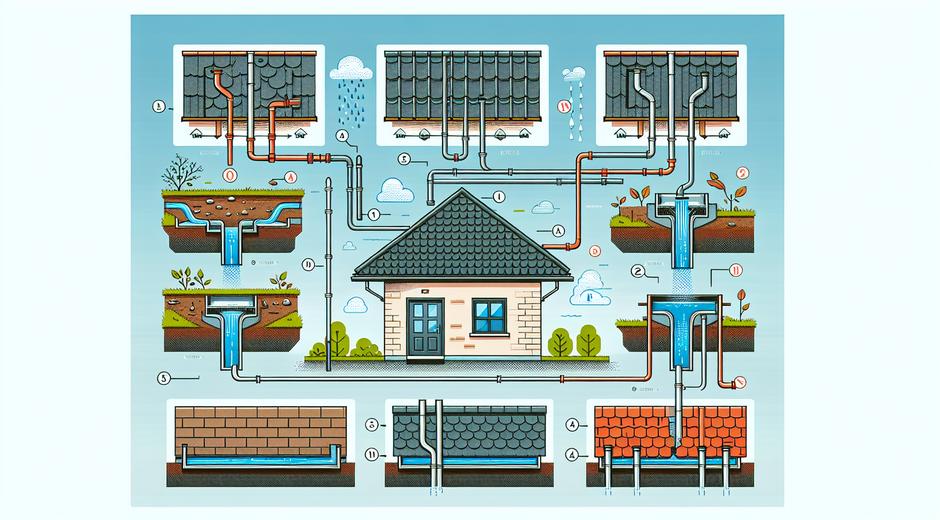
There are several common types of roof drainage systems, each suited to different roof shapes and climates. The main choices are gravity fed gutters and downspouts, internal drains that channel water through the roof into internal piping, and scuppers that allow roof water to exit through an edge or parapet. Flat roofs often rely on internal drains or scuppers, while pitched roofs usually use gutters and external downspouts. Choosing the right system depends on roof geometry, expected rainfall intensity, and local codes.
Key Components and How They Work
A complete Roof Drainage System includes collection elements, conveyance elements, and termination points. Collection elements include gutters and roof drains that gather water from roof surfaces. Conveyance elements include downspouts and internal piping that move water away from the building. Termination points include splash pads, extenders, or storm sewer connections that release water safely to the ground or to an approved drainage channel. Each component must be sized correctly to handle peak flow volumes during heavy rain events.
Sizing and Capacity
Correct sizing is essential. Undersized gutters and pipes will overflow during intense storms. Oversized elements add unnecessary cost and visual bulk. Professionals calculate capacity using roof area and local rainfall intensity values. The result is a design that balances performance with cost. Proper slope in gutters and drains ensures water moves toward outlets without pooling. Even small slope adjustments can prevent debris accumulation and ice formation in cold climates.
Material Choices and Longevity
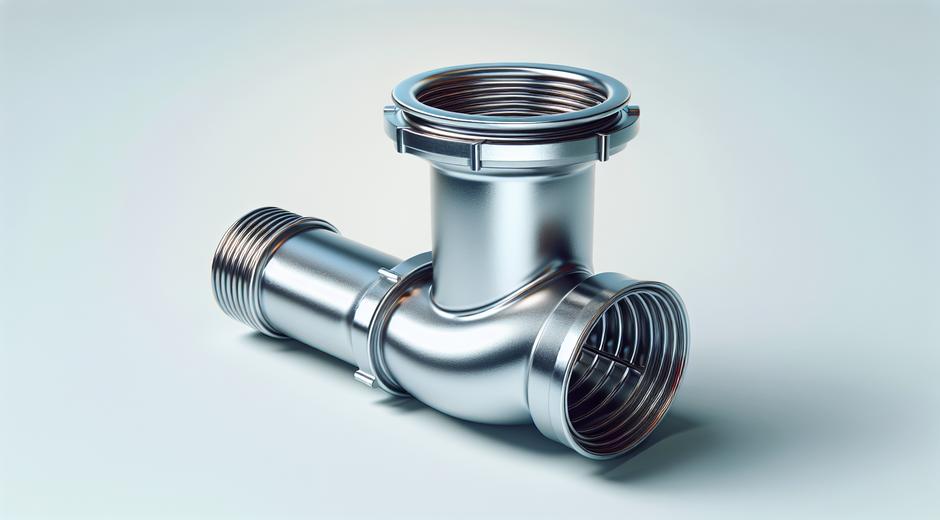
Materials vary by budget and aesthetic needs. Common materials include aluminum, galvanized steel, copper, and PVC. Aluminum resists rust and is lightweight. Copper offers exceptional longevity and natural patina but costs more. PVC is a cost effective option for internal piping where exposure to UV light is limited. Material selection affects maintenance cycles and the expected service life of the system.
Installation Best Practices
Proper installation begins with accurate measurement and planning. Gutters must be securely anchored and slope toward downspouts. Seams and joints should be sealed with compatible sealants to prevent leaks. Internal drains require careful flashing and waterproofing to prevent leaks into the roof assembly. When connecting roof drains to storm water systems, ensure that backflow prevention and clean out access points are included to support future maintenance.
Maintenance Steps to Extend System Life
Routine maintenance keeps Roof Drainage Systems functioning well. Simple tasks include removing leaves and debris from gutters, flushing roof drains, and inspecting for cracks, loose fasteners, and corrosion. Schedule inspections in spring and fall and after major storms. In regions with seasonal freeze and thaw cycles, remove ice and snow accumulation promptly. Preventative maintenance reduces unexpected costs and extends the useful life of the entire roof system.
Common Problems and How to Fix Them
Common issues include clogged gutters and downspouts, sagging gutters due to loose hangers, and ponding on flat roof surfaces caused by blocked drains. Fixes are straightforward if detected early. Remove blockages, replace damaged hangers, and adjust slope where possible. For recurring blockages, consider adding leaf guards or larger downspouts to improve flow. If internal drains back up frequently, inspect the connected drainage lines for clogs or tree root intrusion.
Design Considerations for Different Climates
Climate drives many design choices. In areas with heavy rainfall, larger capacity drainage and multiple discharge points reduce stress on each outlet. In cold climates plan for ice formation by using heated elements in gutters and downspouts or insulating key components. In arid zones, drainage design can focus more on dust and debris management rather than high volume flow. Local codes and practical experience from nearby buildings provide valuable guidance for climate specific solutions.
Sustainable Practices and Water Reuse
Modern Roof Drainage Systems can support sustainable water reuse strategies. Rainwater harvesting collects roof runoff for irrigation and gray water uses. Proper filtration at collection points prevents debris from entering storage tanks. Choosing non toxic roofing materials improves the quality of collected water. Integrating rain harvesting into your roof drainage design reduces municipal water use and can lower utility bills over time.
Working with Professionals
For complex roofs or commercial buildings, engage a qualified roofing or drainage professional. They can perform load and flow calculations, plan for adequate overflow capacity, and coordinate with other building systems. When seeking local expertise, resources and articles available at fixolix.com can help you evaluate options and find skilled contractors. A professional will ensure compliance with local building codes and recommend durable materials and access points for maintenance.
Cost Factors and Budgeting
Costs vary widely based on material, complexity, and access. Simple gutter systems for a small home cost much less than internal drain systems for a large roof. When budgeting remember to include periodic maintenance costs and potential repairs. Investing in higher quality materials and robust design can reduce long term expenses by lowering repair frequency and extending service life. Consider life cycle cost rather than initial install cost alone.
Innovations and Emerging Trends
Recent innovations include smart sensors that alert owners to blocked gutters or frozen downspouts, and improved debris filters that reduce maintenance demands. Some designs integrate green roof elements that retain water and slowly release runoff into drainage systems. For readers interested in how roof drainage intersects with lifestyle and sport facility systems explore relevant content at SportSoulPulse.com to see examples of smart water management in active venues and outdoor spaces.
Checklist for Inspecting Your Roof Drainage System
Use a simple checklist to keep your system in top form. Inspect all outlets and collection areas for debris. Check for visible leaks at joints and around flashing. Verify that water moves freely to discharge points and that runoff is directed away from foundations. Test for signs of rust or material failure and schedule repairs promptly. Regular attention prevents small issues from becoming major failures.
Final Thoughts
Investing time and resources into well designed Roof Drainage Systems protects property value and occupant health. The right system reduces water related damage and supports efficient building performance. Whether updating an existing roof or planning new construction, prioritize quality design, reliable materials, and regular maintenance. Careful planning and execution create a durable solution that serves the property for many years.